Marine
Compare the condition and scope you can document. A low engine purchase price means little until removal, installation, commissioning and support are included.
Get a diagnosis before choosing a replacement
Collect the engine and gearbox identification, service history and a description of the problem. Ask a qualified marine diesel technician for a diagnosis and a written explanation of the available repair scope. Replacement may be appropriate, but it should not be the starting assumption for every fault.
Ask what remains uncertain and what further inspection would resolve it. Keep the engine’s condition separate from issues in the cooling, exhaust, fuel or propulsion installation. Retaining a neglected surrounding system can undermine the value of a replacement engine.
Ask what rebuilt actually means
A rebuild description should identify the engine, the work performed, replaced or inspected components, testing and the business responsible. Request records tied to the engine’s identity. A clean finish or a general claim of reconditioning is not equivalent to a documented scope.
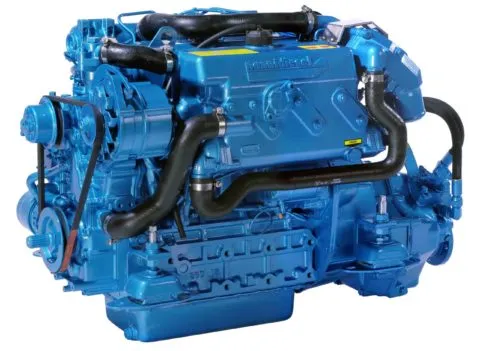
For a new engine, request the exact model and supplied configuration. Nanni’s Australian repower service is one route for discussing a complete replacement project. Whether the engine is new or rebuilt, establish who will provide local technical support and how warranty enquiries will be handled.
Compare installed totals rather than engines alone
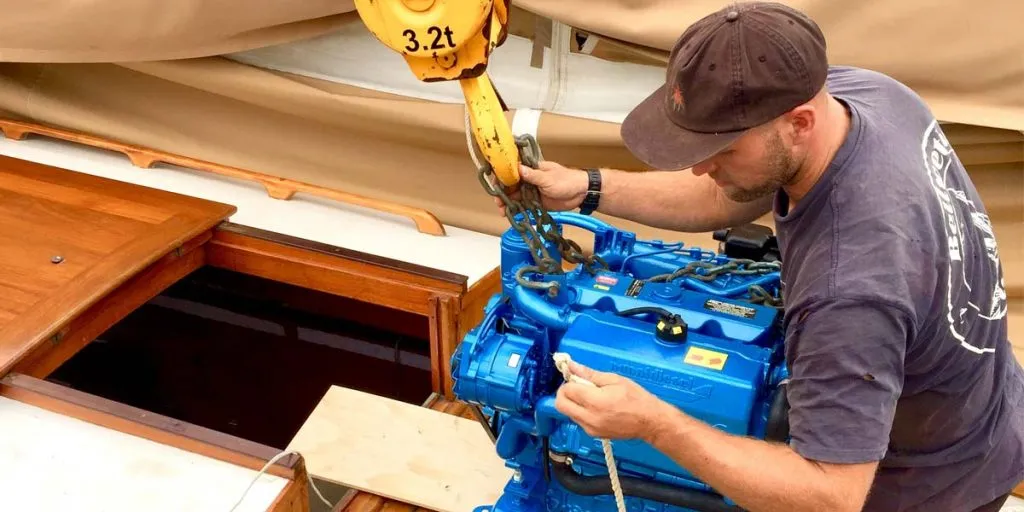
Ask each supplier to show removal, lifting, disposal arrangements, installation work and commissioning separately. Then list what is retained: gearbox, shaft arrangement, controls and surrounding systems. Have the installer explain which reuse assumptions require inspection.
If the replacement has different dimensions or service points, include the resulting access work in the comparison. Think about the next routine service as well as the first installation. A nominally lower-cost engine can be difficult to maintain if the proposal ignores the boat around it.
Make uncertainty part of the decision
Use a quote with named allowances and approval points for work that cannot be known until removal. Agree how extra work is priced and authorised. Compare realistic completion windows and the local workshop’s ability to support the chosen equipment.
An illustrative owner planning several more years aboard might favour a documented replacement with accessible local support. Another owner may have a sound engine with a clearly repairable fault. The useful choice depends on the inspection evidence and intended ownership, not a rule that new always wins.
Your planning checklist

Turn the lesson into a useful brief.
Tick what you have gathered. Add your boat details and questions, then save a copy to take to a supplier.
Notes stay in this page and are not submitted. Download before leaving; this page does not save them.
Buying questions, answered
Are low engine hours enough evidence for a used purchase?
Hours are one part of the record. Ask for condition assessment, service history and evidence tied to the exact engine before deciding.
Does a new engine eliminate all repower risks?
No. The installation and retained surrounding systems still need assessment, and the quote should include commissioning and support.
Sources & further reading
Original MarineBrands buying and planning guidance, informed by these manufacturer and official references. Confirm current specifications for the exact model and Australian version.
- Nanni Australia · repowering projects and support ↗
- Nanni Australia · model-specific download centre ↗
This is an editorial guide. Linked brand advertorials are identified separately; no paid sponsorship or manufacturer approval of this guide is claimed.