MarineBrandsDIRECTORY / 01AU Australia
Planning tools ↗
THE COMPLETE INTRODUCTION / 05

Engines

A practical introduction to propulsion projects, machinery choices and installed scope.

Start the tutorial ↓
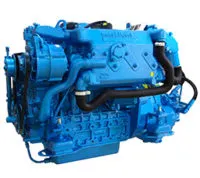
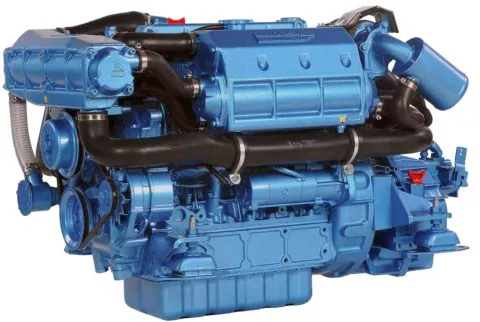
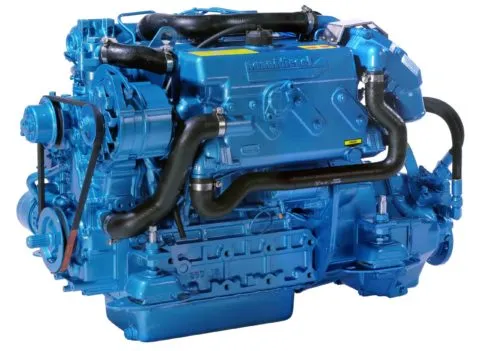
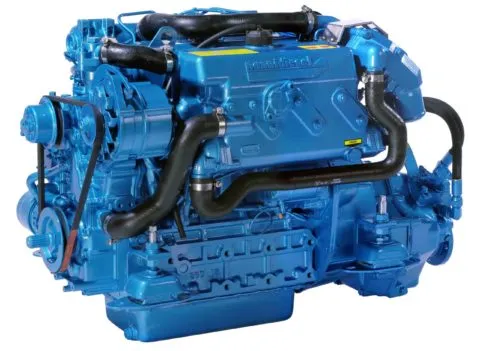
Nanni N4.65 marine diesel engine
Image: Nanni Australia ↗

Where to start

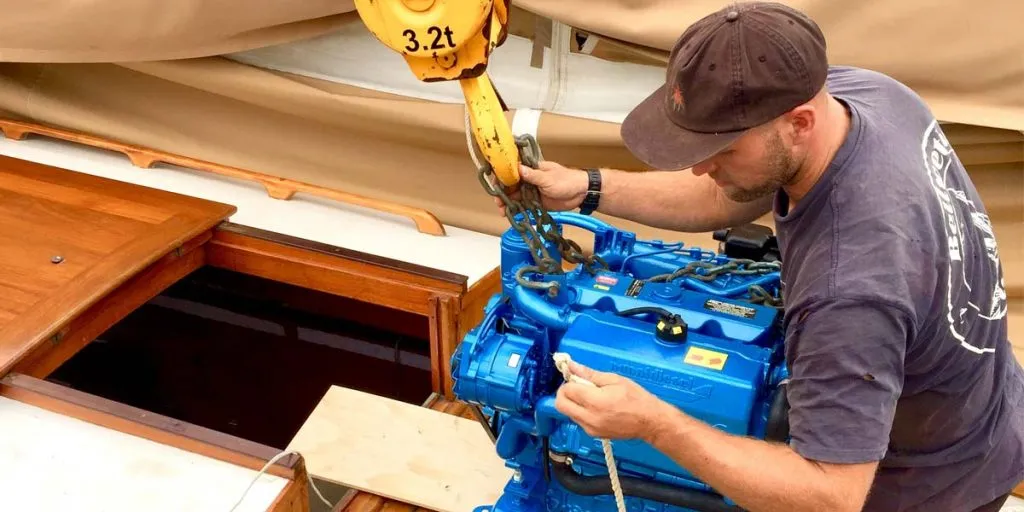
A repower is an installation project. Engine access, mount positions, transmission, cooling and exhaust arrangements all belong in the discussion with the supplier.

MARINEBRANDS FIELD GUIDE4 MIN READ · 3 CHAPTERS

Understand it.
Choose with purpose.

A practical introduction to propulsion projects, machinery choices and installed scope.

CHAPTER 01

Begin with the boat and the reason for change

An engine project starts with the vessel, its current machinery and the owner’s objective. A repair enquiry, a repower and a wider systems refit are different projects. Record the engine, transmission and drive arrangement, service history and the symptoms or goals that prompted the discussion.

Avoid diagnosing machinery from a short online description. A qualified marine assessment can establish condition and distinguish a service problem from a replacement need. That assessment gives the buying process a sound starting point and may change the scope substantially.

If replacement is appropriate, ask the installer to explain how the proposed machinery fits the boat’s purpose. The existing power rating is useful background, but it is not a complete design specification for a new installation.

CHAPTER 02

Follow the interfaces around the machinery

Propulsion equipment connects to the boat through several systems and physical constraints. Access, mounting, transmission and drive arrangement all belong in the discussion, alongside associated services assessed by the installer. Ask for a clear retained-versus-replaced list.

This is where two engine quotations can differ significantly. One may describe only the machinery while another includes yard work, associated components and commissioning. Compare them as projects using identical headings. Ask what remains provisional until inspection.

Future service deserves the same attention as fitting the equipment for the first time. Have the installer explain how routine service will be performed in the proposed arrangement. A compact installation is not automatically a convenient one to maintain.

CHAPTER 03

Agree what completion looks like

Before work begins, establish the commissioning, documentation and handover included. Ask for exact equipment identities, manuals, service information and a route for follow-up. A professional proposal should make those deliverables visible.

At handover, review the installation records with the installer and arrange appropriate familiarisation. Keep observations from early use in a clear log and report concerns through the agreed contact. Do not improvise mechanical or electrical adjustments based on a generic tutorial.

The owner’s learning outcome is the ability to prepare a good brief, compare complete scopes and preserve useful records. Detailed installation, propulsion matching and machinery procedures belong with qualified professionals and the manufacturer’s exact instructions.

MAKE THE DISTINCTIONS

Compare the approaches

Use these differences to frame a conversation. This is a comparison of project approaches, not a ranking of brands.

Engines: approaches and considerations
ApproachWhen to consider itWhat to resolve
Condition assessmentUncertainty about existing machineryEstablish the problem before deciding the purchase.
RepowerA professionally supported replacement decisionCompare installed scope and retained components.
Generator projectA separate onboard electrical requirementStart with a load schedule and qualified system design.
WORKED EXAMPLE · ILLUSTRATIVE SCENARIO

The engine quote that looked much cheaper

Two proposals appear far apart in price for similar headline output.

A considered approach

The owner compares removal, yard access, associated systems, installation and commissioning line by line. Questions are resolved before choosing the project.

A complete scope makes a fair comparison possible.

AVOID THE FALSE STARTS

Two mistakes worth avoiding

01

Ordering machinery before assessment

The boat’s constraints should shape the specification.

02

Treating paperwork as an afterthought

Equipment identity and commissioning records support every later service visit.

THE LANGUAGE, EXPLAINED

Know the terms

Repower
A project renewing the propulsion machinery.
Commissioning
Professional preparation and checking of an installed system.
Installed scope
Everything included in delivering a working installation.

YouSail sailing mascot
YOUR NEXT STEP

Turn the lesson into a useful brief.

Tick what you have gathered. Add your boat details and questions, then save a copy to take to a supplier.

Information gathered for Engines
0 of 5 items gathered

Notes stay in this page and are not submitted. Download before leaving; this page does not save them.

Sources & further reading

Manufacturer and authority references for the concepts and product context discussed here. Examples and planning exercises are MarineBrands editorial; they do not imply brand endorsement or product testing.

How we research and present information →
READ BEFORE YOU CHOOSE

Practical guides to engines

Practical advice for choosing, upgrading and looking after your equipment.

All guides ↗
CLASSIFICATION

Continue with a specialist tutorial

Illustration of marine diesel engines

Marine diesel engines

Diesel engines developed or adapted for marine propulsion.

A diesel repower begins with an assessment of the boat and existing propulsion system. Similar power does not mean identical dimensions or installation requirements. Include the transmission, mounts, cooling, exhaust and access in the discussion with a marine engineer.

Read the marine diesel engines tutorial →
Illustration of shaft-drive systems

Shaft-drive systems

Propulsion arrangements using a shaft between gearbox and propeller.

A shaft-drive enquiry should include the engine, gearbox and existing shaft installation. Changes may affect components beyond the engine itself. Have a marine engineer assess the arrangement and explain which parts will remain, which need work and how the completed system will be checked.

Read the shaft-drive systems tutorial →
Illustration of saildrive systems

Saildrive systems

Integrated transmission and underwater drive arrangements.

A saildrive is part of an integrated propulsion installation. Record the existing engine and drive models before comparing replacements. Ask the specialist to explain compatibility, installation work, maintenance access and the documentation required for the completed arrangement.

Read the saildrive systems tutorial →
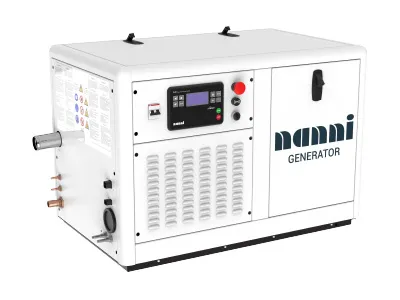
Illustration of marine generators

Marine generators

Engine-driven electrical power for onboard equipment.

A marine generator brief should describe what equipment will operate together and the way the boat is used. Installation space, access and the associated systems belong in the discussion with the marine specialist. A generator’s headline output alone is not a complete buying specification.

Read the marine generators tutorial →
FROM PRINCIPLES TO PRODUCTS

See the thinking.
Meet the makers.

Explore named examples, then go deeper into the people, history and specialist work behind each brand.

Nanni N4.140

N4.140

Nanni Australia lists the N4.140 as a 135 hp marine diesel based on a Kubota engine. Its product information describes a 3.8-litre engine used in heavier sailing boats.

Ask a Nanni dealer to assess the complete installation. Image: the range illustration used on Nanni’s N4.140 page; confirm the supplied engine and transmission configuration.

Nanni N4.65

N4.65

A Nanni marine diesel model with shaft-drive transmission options.

Confirm the current specification with Nanni; its page contains mixed model references.

Product images and references: the linked manufacturers. Examples illustrate the ranges; confirm the Australian specification and availability with the supplier.

THE BRANDS
Refine your search

Engines

1 brand · Australian market

A — Z
Nanni logo
Engines

Nanni

Marine diesel engines, saildrives and generators for cruising boats.

N4.140N4.80N4.65
Brand advertorialExplore brand
Useful answers

Frequently asked questions

Does more power always mean a better result?

No. Have the boat and complete propulsion arrangement assessed for the intended use. A headline output figure does not establish suitability.

Should the drive system be reviewed during a repower?

Yes. Ask the installer which components can remain and what assessment supports that decision.

How can I avoid surprise project costs?

Request an itemised scope, identify provisional items and clarify what inspection or access work is needed before the final proposal.

Is a similar-power diesel a direct replacement?

Not automatically. A marine engineer needs to assess dimensions, mounts, transmission, propulsion, cooling, exhaust, fuel, controls and access. Compare installed and commissioned packages rather than engine output alone.

What should I retain after a repower?

Keep the final model and serial details, installation and commissioning records, manuals, service requirements and approved changes to the original quote. Record outstanding work and the responsible support contact.

AUSTRALIA / LOCAL CONTEXT

Plan around your home waters.

Equipment briefs, service questions and official resources for Australian sailing regions. Confirm attendance with the provider.

All sailing regions →