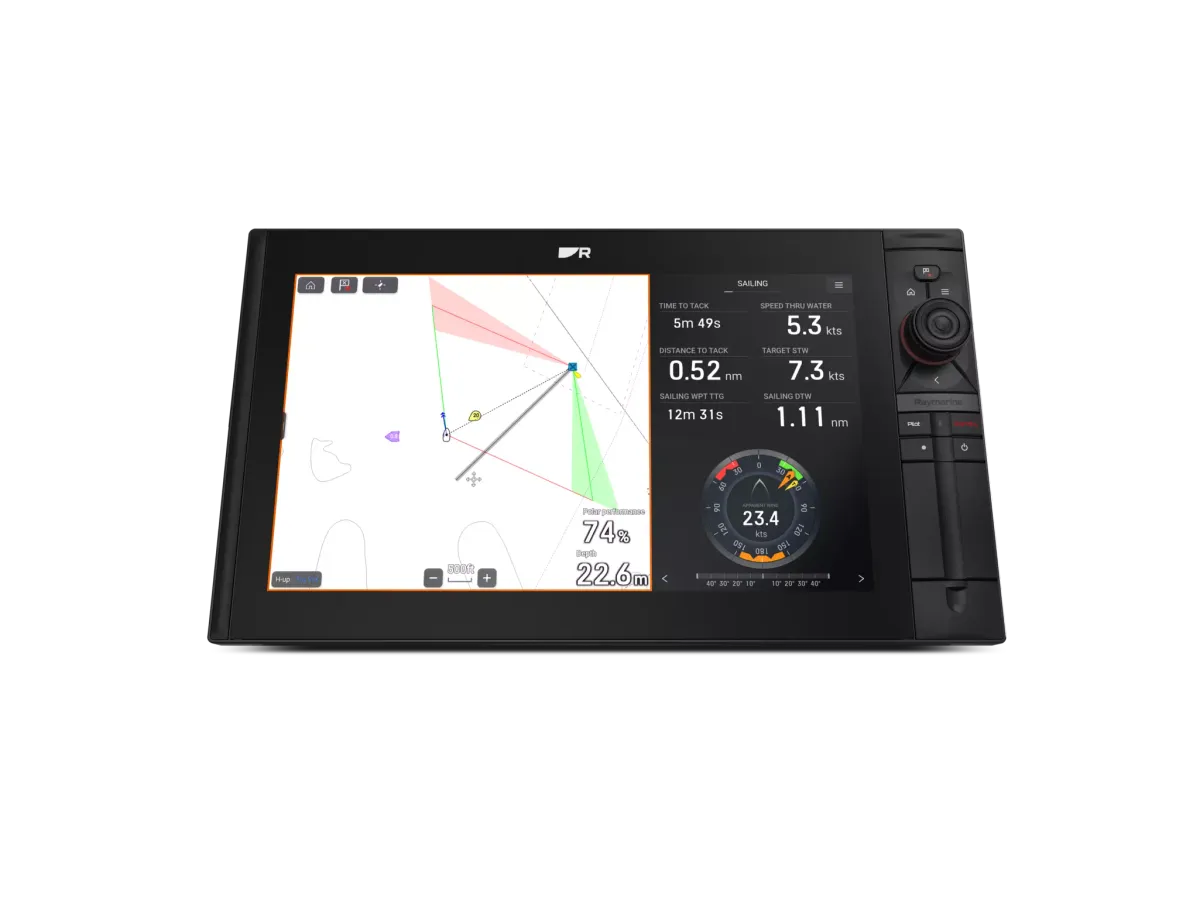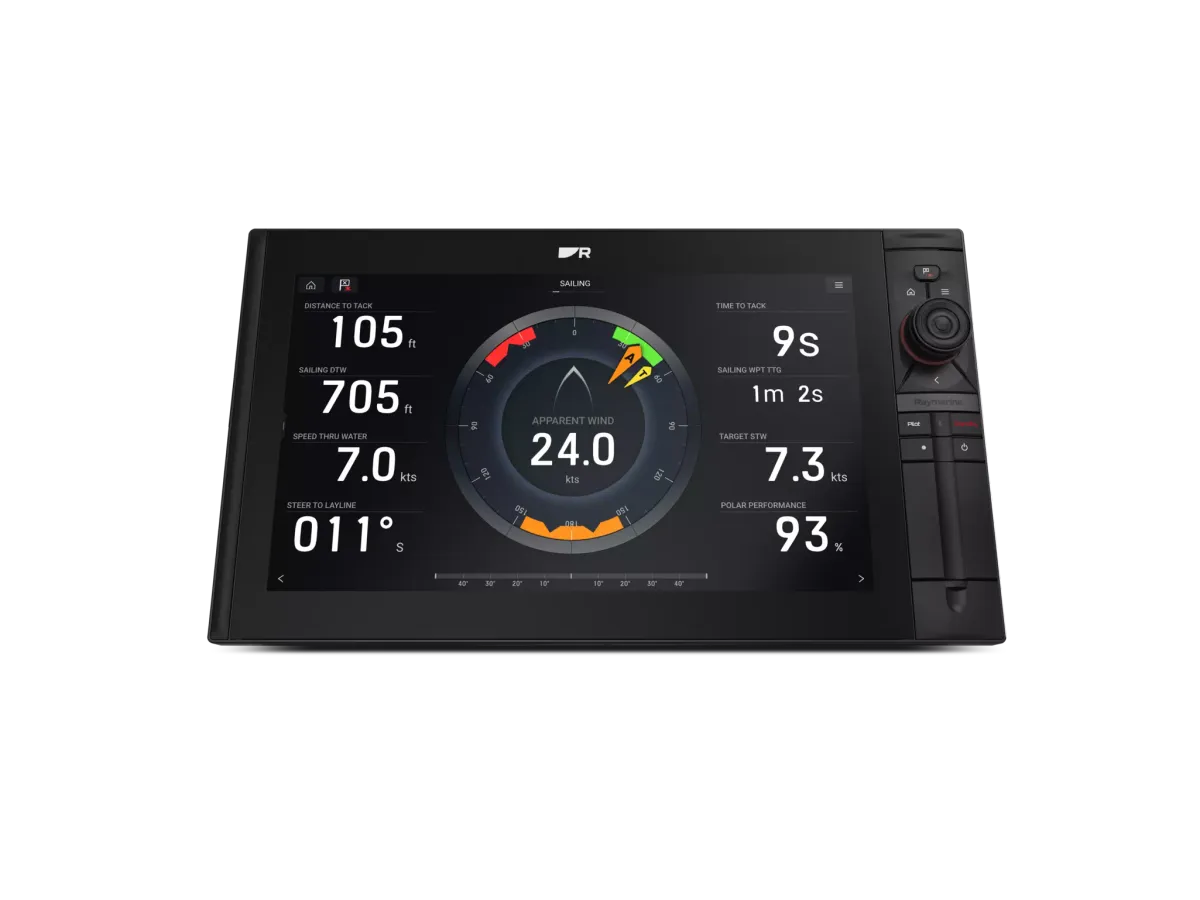
BUYING GUIDE · Navigation · 3 MIN READ
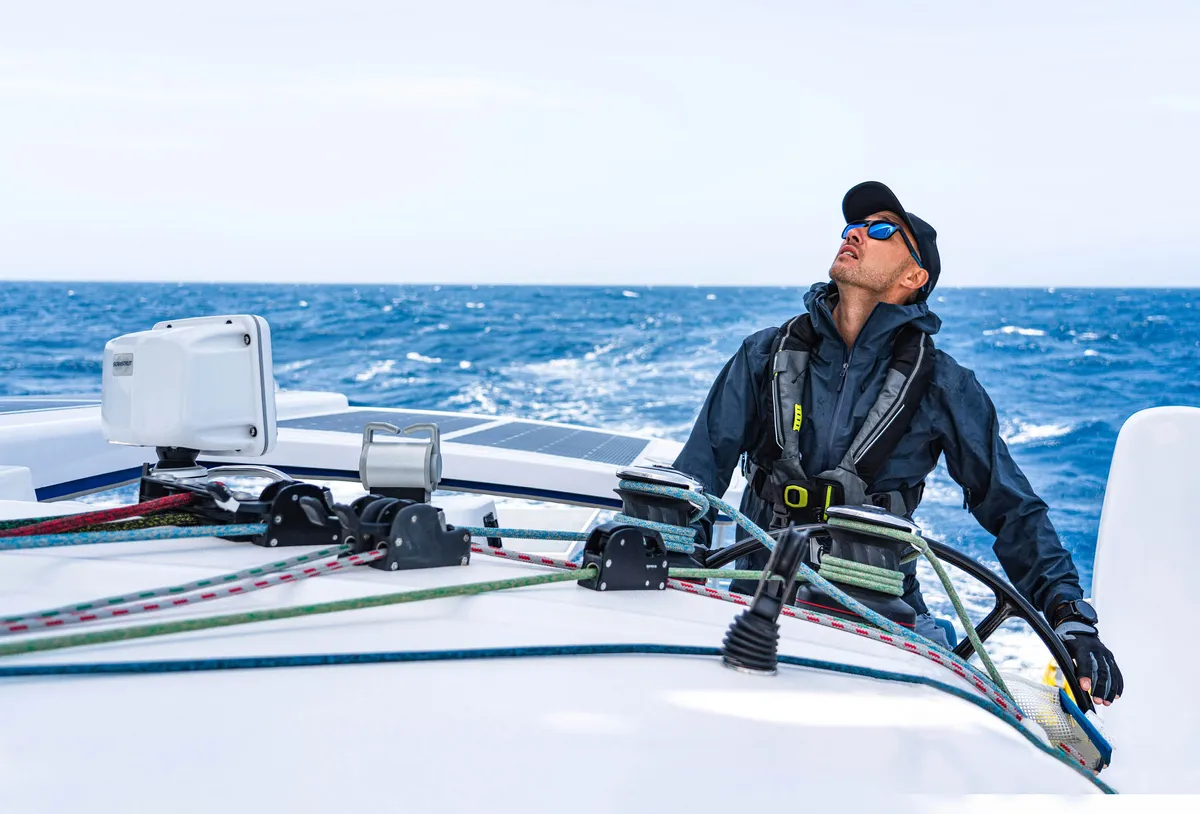
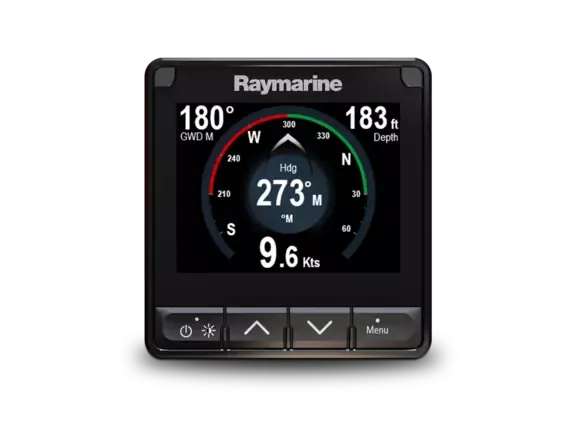
Do you need a dedicated sailing processor?
Compare display-led instruments with dedicated sailing processors, calibration support and the information your crew will actually use.
Read the guide MarineBrandsDIRECTORY / 01AU Australia
No matches. Try a brand, product type or “budget”.
Practical reading for your next purchase, upgrade or conversation with a marine specialist. At least seven guides in every category, written with Australian sailors in mind.
Work through the equipment choices, installation questions and local research before spending.
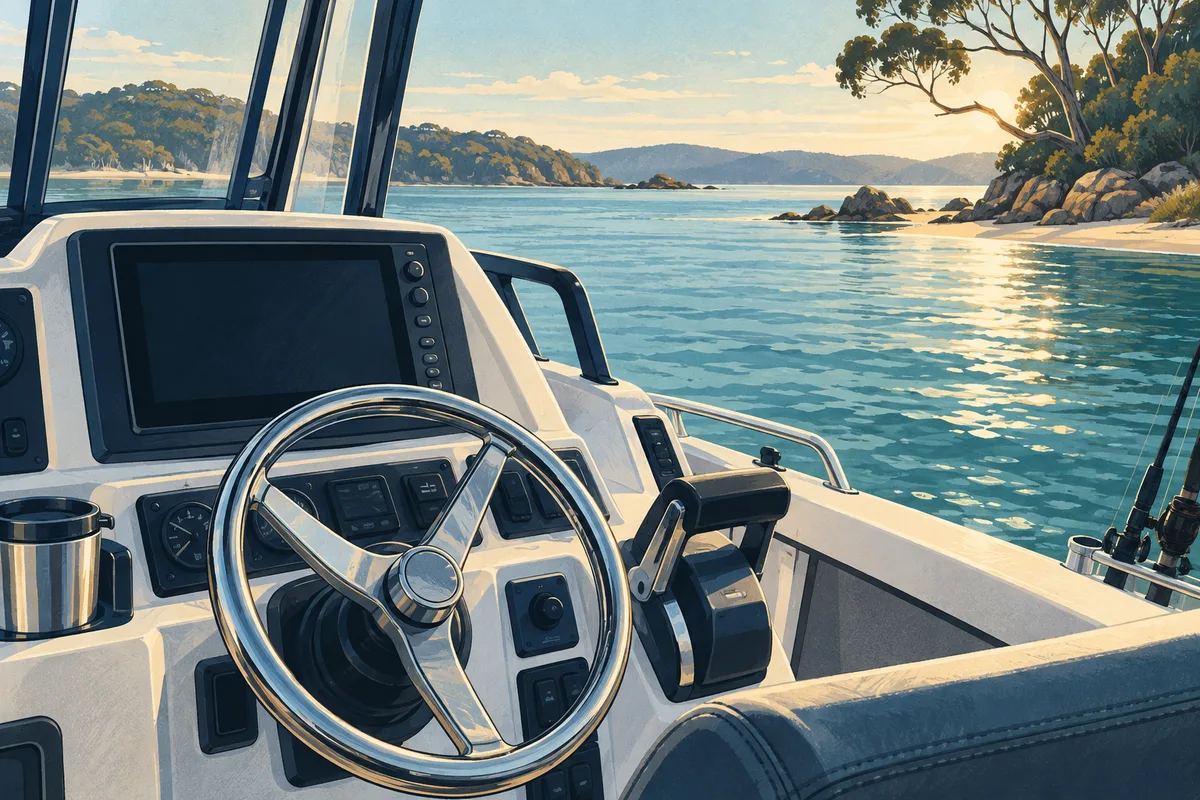
Compare the complete system, from the view you need to installation and Australian support.
Read the guide · Build your checklist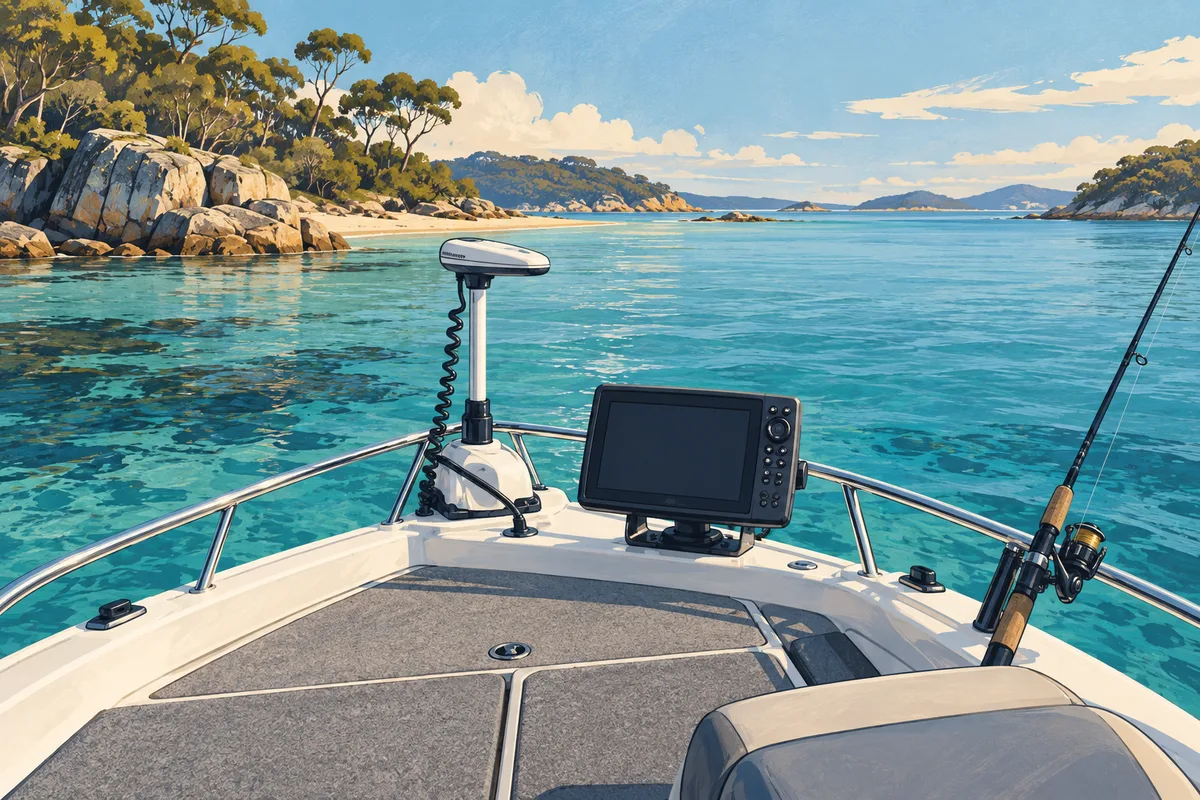
A practical buying framework for a complete live-sonar setup, its mounting and the time needed to learn it.
Read the guide · Build your checklist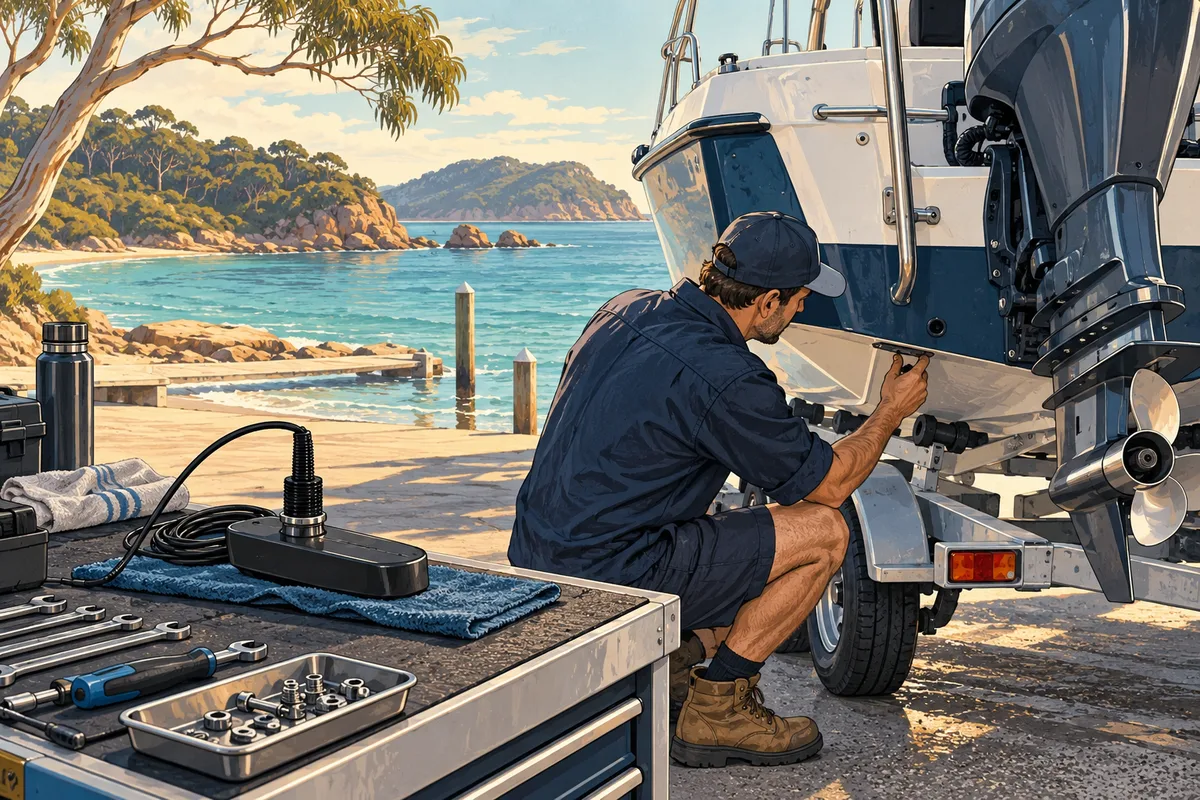
What to show an installer before committing to a fishfinder or transducer upgrade.
Read the guide · Build your checklist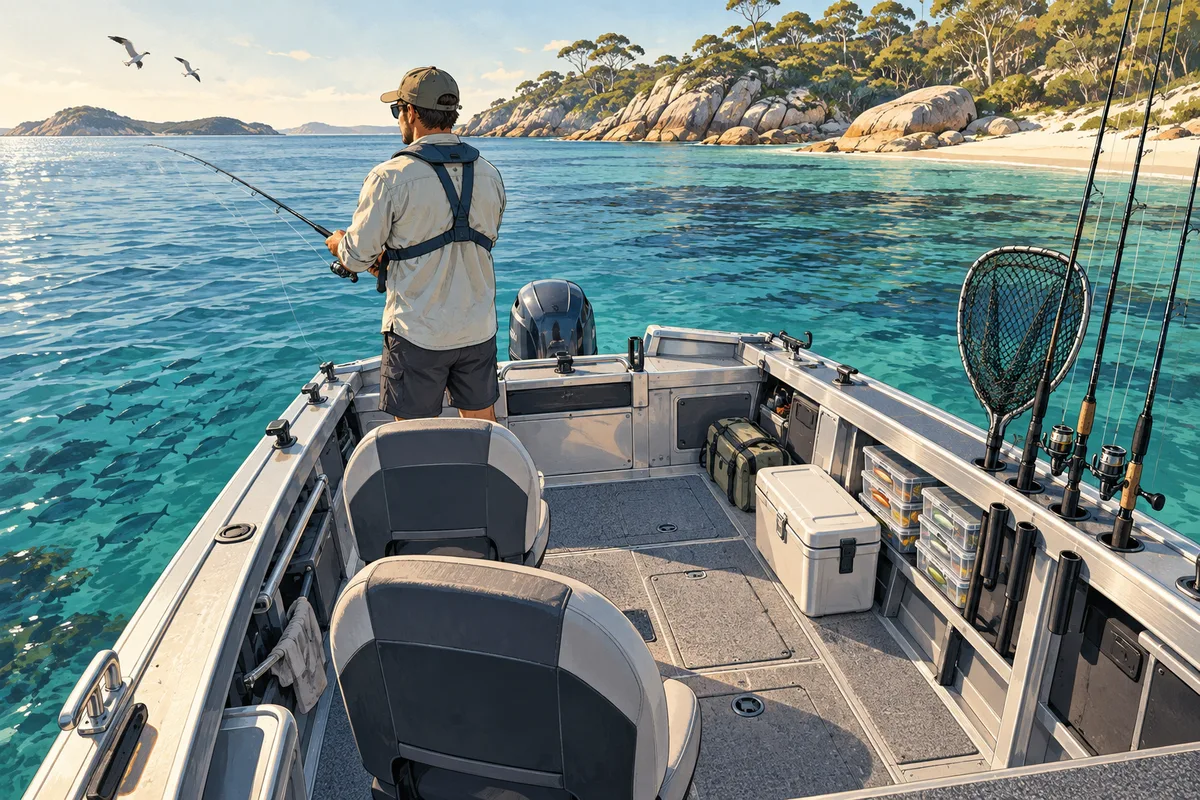
Plan deck space, storage and equipment around a normal fishing day before buying accessories.
Read the guide · Build your checklist
Turn a broad destination idea into a documented set of local questions, without relying on old forum advice.
Read the guide · Build your checklistCard artwork is AI-generated editorial illustration.
Explore the options, uncover the full cost and take a clear brief to your supplier.
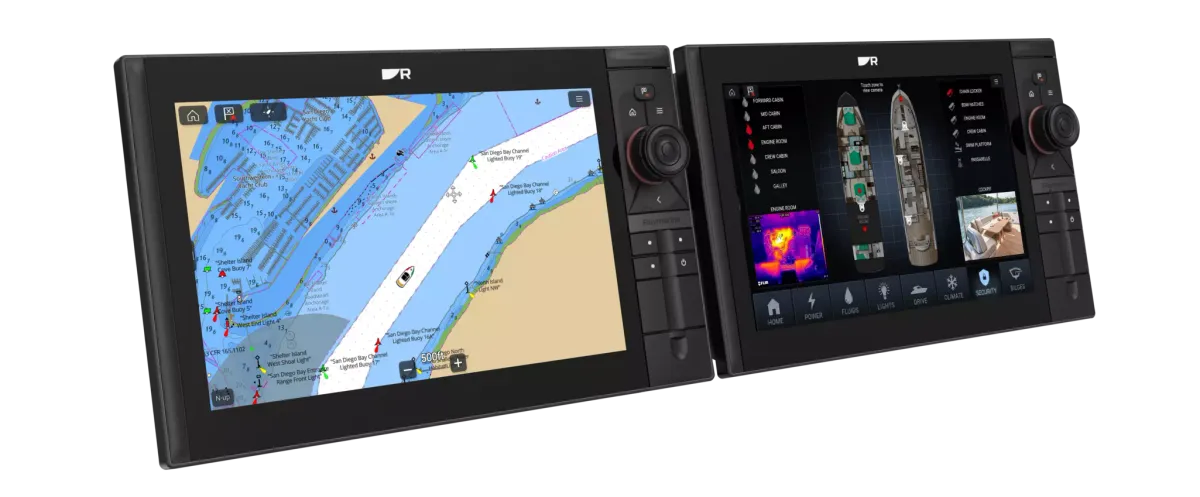
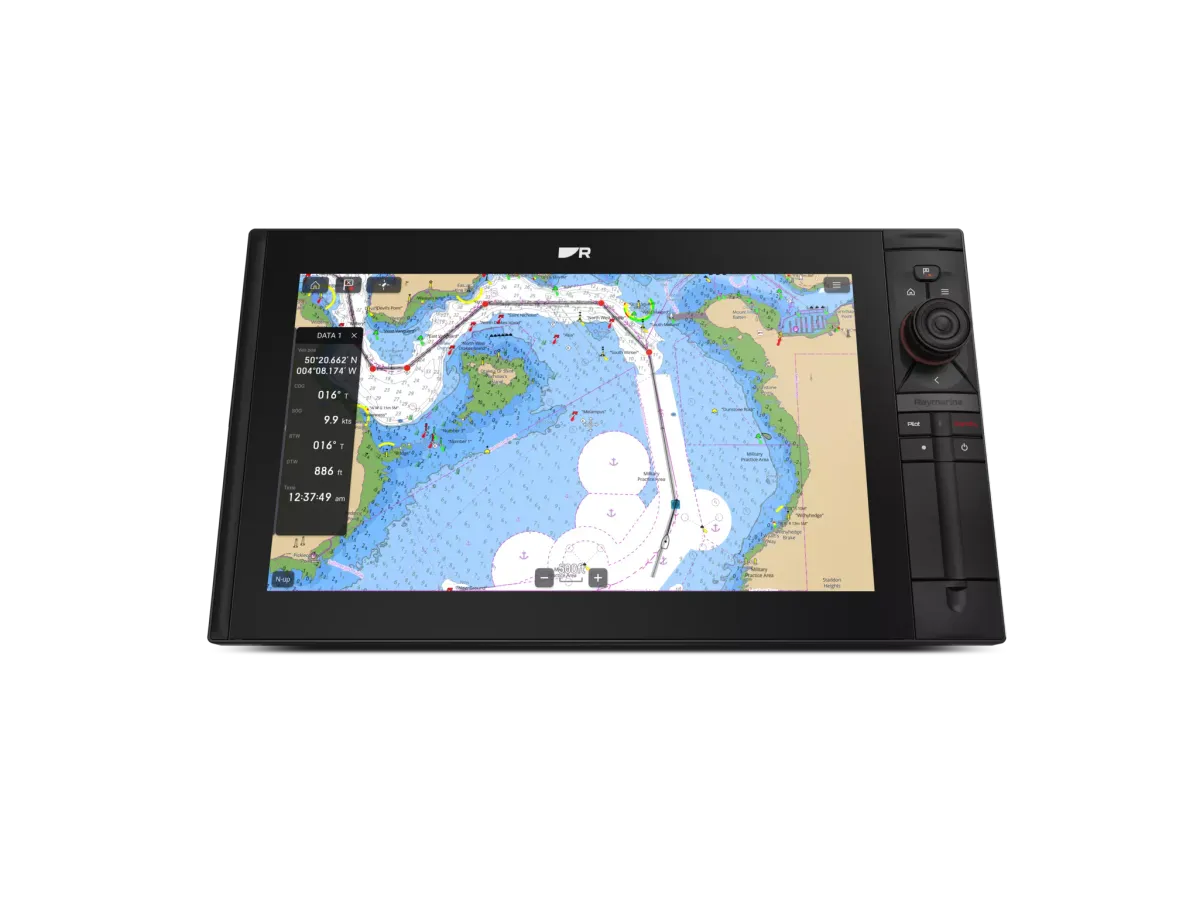
Compare display-led instruments with dedicated sailing processors, calibration support and the information your crew will actually use.
Read the guideCompare masthead wind systems by retained displays, mast access, network connections and commissioning costs.
Read the guideCompare installation responsibility, commissioning and after-sales support before selecting a marine navigation supplier.
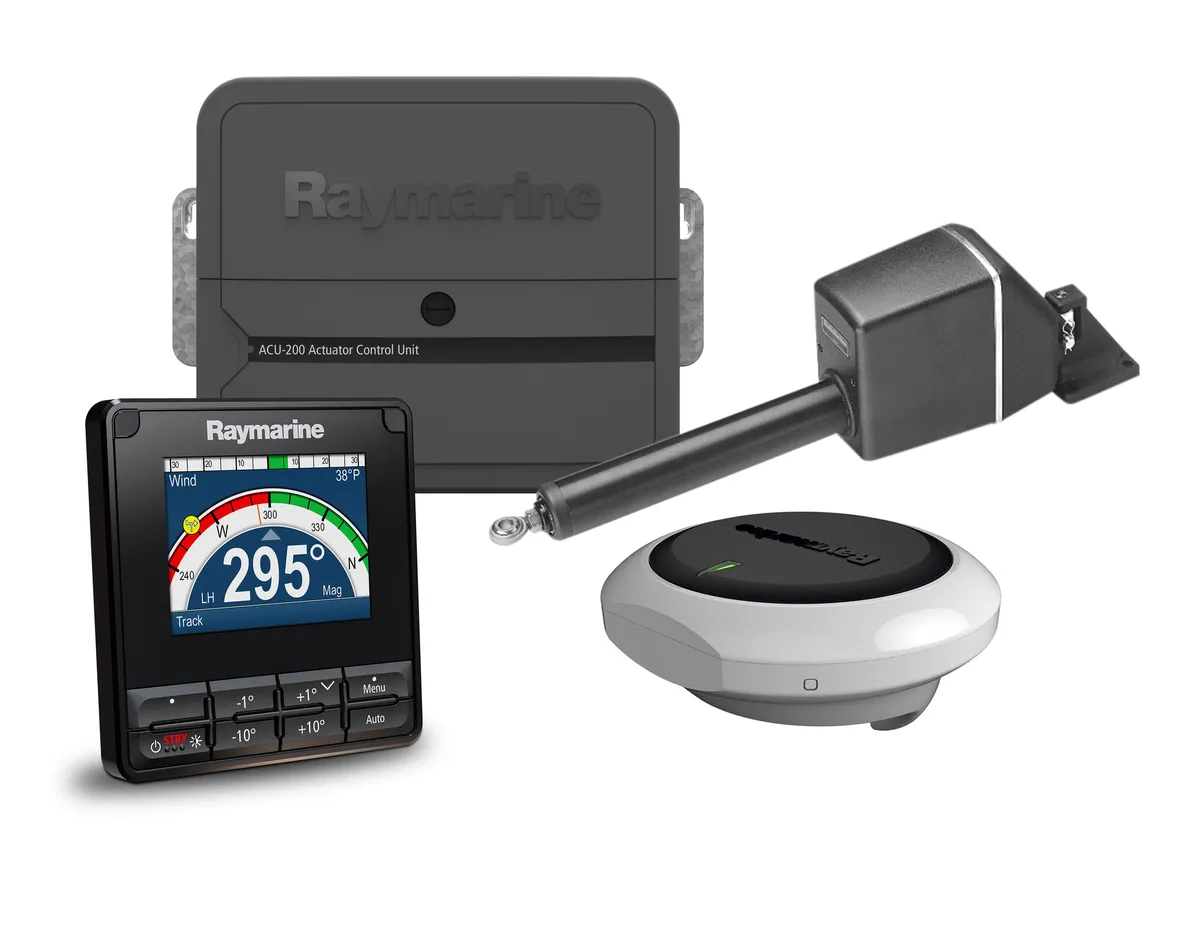
Read the guideUnderstand complete autopilot packages and electronics-only upgrades, with the compatibility evidence and installation costs to request before ordering.
Read the guideChoose where to put sailing information by comparing mast-mounted displays, helm instruments and existing chartplotter pages.
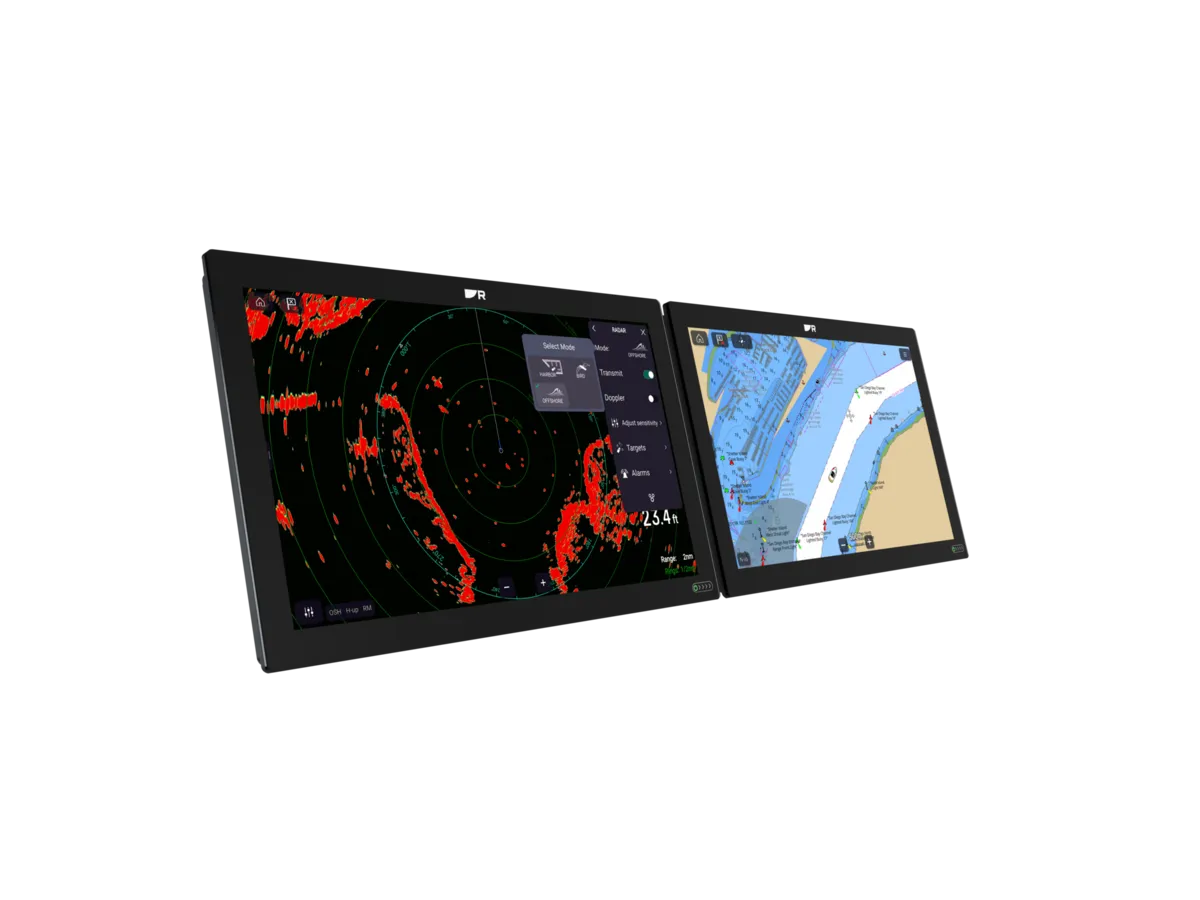
Read the guideCompare a second chartplotter, a shared viewing position and a companion display for a twin-helm sailing boat.
Read the guideAssess a secondhand chartplotter’s exact model, working condition, included accessories and supported chart options.
Read the guideCheck device compatibility, Australian cruising areas and renewal conditions before buying electronic chart access.
Read the guideCompare a tablet navigation app, a fixed chartplotter and a combined setup before spending on charts, mounts, power and onboard integration.
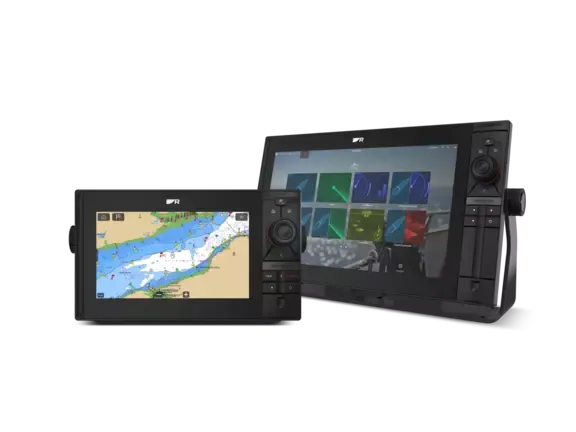
Read the guideCompare a compact chartplotter with a premium glass-bridge display, including helm space, controls, system costs and the features your crew will actually use.
Read the guideTurn a sailmaker’s proposal into a clear order covering measurements, hardware, design approval, fitting and delivery.
Read the guideEvaluate a used sail through measurements, condition, alteration costs and a loft assessment before comparing it with a new sail.
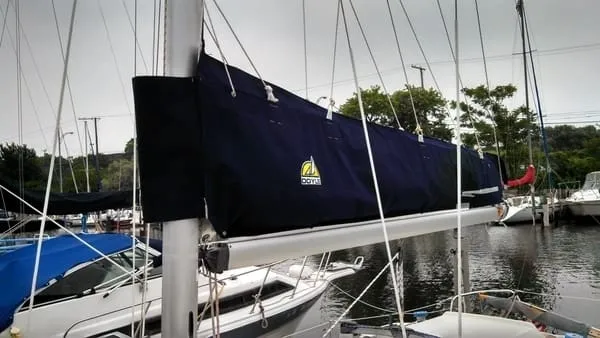
Read the guideCompare a conventional mainsail with a StackPack-style system and an in-mast furling arrangement, especially when choosing a cruising yacht or planning a refit.
Read the guideCompare woven cloth, panelled laminates and custom membrane sails around your sailing programme, support needs and complete sailmaker quote.
Read the guideSpecify finished length, attachments, handling and hardware compatibility when ordering sheets or halyards from a rigger.
Read the guideCompare the rope and holding hardware as one system before replacing a halyard or upgrading a clutch.
Read the guideCompare a manual winch, a compatible electric conversion and a complete powered replacement, including installation scope and crew handling.
Read the guidePrepare a marine diesel spares enquiry using engine identity, service history, existing stock and the work you can competently carry out.
Read the guideAssess dealer access, parts enquiries and planned maintenance alongside an engine quote before committing to a repower.
Read the guideCompare a new engine, a documented rebuild and repairing the existing engine using evidence, complete installation costs and local support.
Read the guideCompare a marine electronics assessment, repair proposal and replacement quote without paying twice for the same unresolved fault.
Read the guideCompare receive-only AIS and transmitting systems, with antenna, display and commissioning questions for your installer.
Read the guideSeparate known costs, allowances and optional upgrades before committing to a marine electronics project.
Read the guideCompare a single-brand refit with retaining equipment from several makers, using a function-by-function compatibility schedule and realistic support costs.
Read the guideCompare a portable marine VHF with a fixed installation, including antenna arrangements, power, crew access and the functions to confirm.
Read the guideBuild a clearly labelled order for lifejacket rearming kits and replacement accessories using model-specific instructions.
Read the guideOrganise the safety equipment on a newly acquired boat before deciding what to retain, inspect or purchase.
Read the guideCompare EPIRB mounting packages, Australian model references, registration and maintenance costs before selecting a vessel distress beacon.
Read the guideCompare lifejacket versions through fit, intended use, clothing, servicing and exact model documentation rather than choosing by buoyancy number alone.
Read the guideInstruments, autopilots & on-water awareness
Compare display-led instruments with dedicated sailing processors, calibration support and the information your crew will actually use.
Read the guideCompare masthead wind systems by retained displays, mast access, network connections and commissioning costs.
Read the guideCompare installation responsibility, commissioning and after-sales support before selecting a marine navigation supplier.
Read the guideUnderstand complete autopilot packages and electronics-only upgrades, with the compatibility evidence and installation costs to request before ordering.
Read the guideChoose where to put sailing information by comparing mast-mounted displays, helm instruments and existing chartplotter pages.
Read the guideBuild a useful instrument shortlist around the information your crew actually needs.
Read the guideSeparate wind sensors, calculated values and display choices when planning your system.
Read the guidePrepare a supplier brief that includes the steering system, drive and control locations.
Read the guidePut readability, calculated data and crew positions into a practical upgrade brief.
Read the guideTurn a finished installation into a system your crew can confidently understand.
Read the guideIdentify what each sensor contributes before paying for another display.
Read the guideCompare another viewing position with a better layout on the screen you already have.
Read the guidePositioning, charts & route planning
Compare a second chartplotter, a shared viewing position and a companion display for a twin-helm sailing boat.
Read the guideAssess a secondhand chartplotter’s exact model, working condition, included accessories and supported chart options.
Read the guideCheck device compatibility, Australian cruising areas and renewal conditions before buying electronic chart access.
Read the guideCompare a tablet navigation app, a fixed chartplotter and a combined setup before spending on charts, mounts, power and onboard integration.
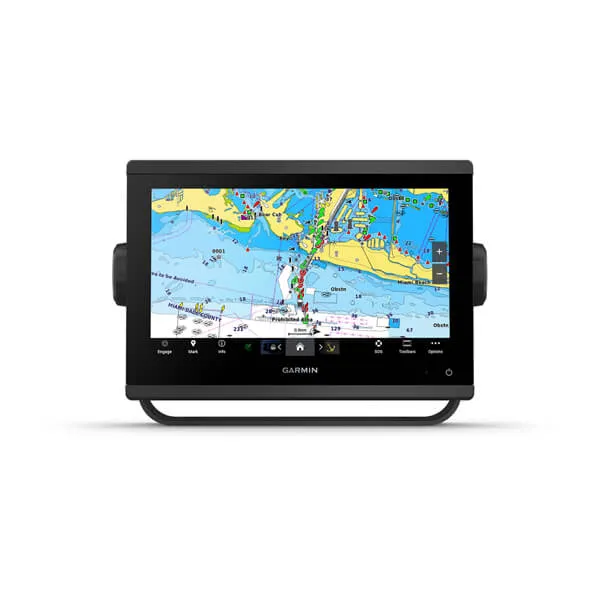
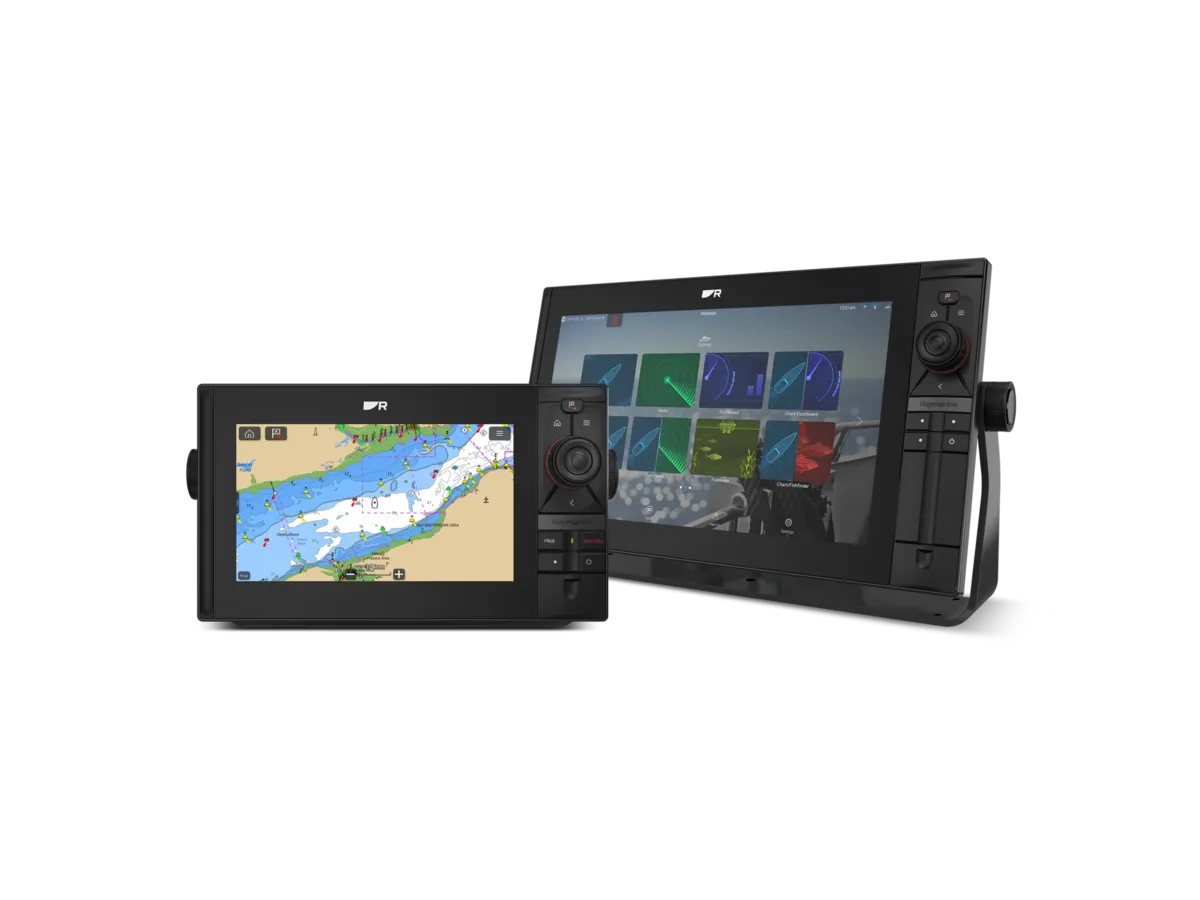
Read the guideCompare a compact chartplotter with a premium glass-bridge display, including helm space, controls, system costs and the features your crew will actually use.
Read the guideCompare display controls, chart coverage and integration before choosing a model.
Read the guideChoose a display you can read and operate from the real helm position.
Read the guideAsk the right questions about regions, updates and the chart package in your quote.
Read the guideSet up a repeatable review process before relying on a saved or suggested route.
Read the guideAvoid an incomplete upgrade by recording the equipment attached to the old screen.
Read the guideBuild a comparison that includes charts, accessories, fitting and ongoing support.
Read the guidePlan a supported export and recovery process before replacing or updating a display.
Read the guideCruising sails, racing sails & sail care
Turn a sailmaker’s proposal into a clear order covering measurements, hardware, design approval, fitting and delivery.
Read the guideEvaluate a used sail through measurements, condition, alteration costs and a loft assessment before comparing it with a new sail.
Read the guideCompare a conventional mainsail with a StackPack-style system and an in-mast furling arrangement, especially when choosing a cruising yacht or planning a refit.
Read the guideCompare woven cloth, panelled laminates and custom membrane sails around your sailing programme, support needs and complete sailmaker quote.
Read the guideGive a loft the boat, sailing and handling information behind a useful sail proposal.
Read the guideLook at construction and handling as one decision, from hoisting to putting the sail away.
Read the guidePrepare a headsail brief that covers the furler, deck layout and the way you sail.
Read the guideCompare specialist sails by their intended job and handling requirements.
Read the guidePrepare for a loft inspection and compare the next useful life of the sail.
Read the guideLook beyond cloth names to measurements, construction, hardware and aftercare.
Read the guideGive each sail a clear role and discuss handling before adding another bag.
Read the guideMake a repair or inspection appointment useful with the right history and brief.
Read the guideSheets, halyards & deck hardware
Specify finished length, attachments, handling and hardware compatibility when ordering sheets or halyards from a rigger.
Read the guideCompare the rope and holding hardware as one system before replacing a halyard or upgrading a clutch.
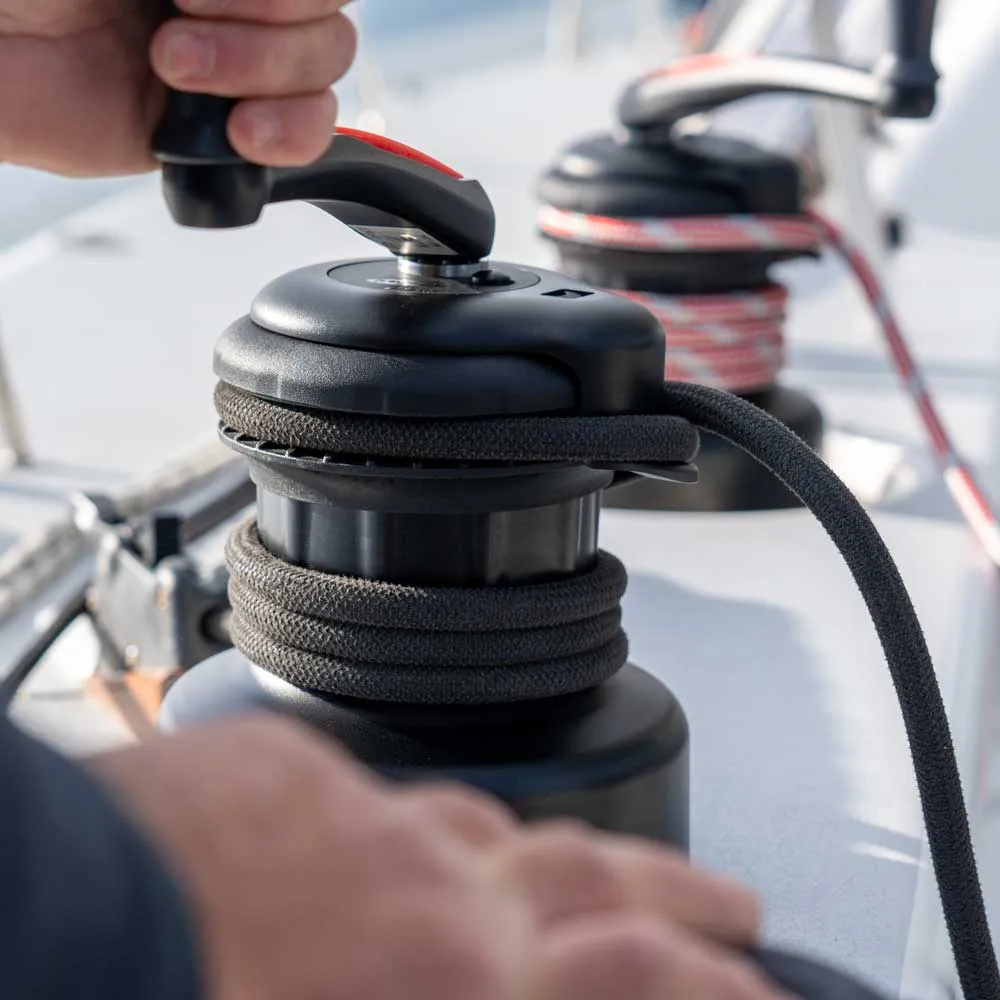
Read the guideCompare a manual winch, a compatible electric conversion and a complete powered replacement, including installation scope and crew handling.
Read the guideMatch each line to its job, handling needs and the hardware already aboard.
Read the guideConsider elongation, hardware compatibility and termination details together.
Read the guidePrepare the load-path and layout information a hardware supplier needs.
Read the guideAsk how the proposed hardware holds and releases the line before changing a fitting.
Read the guideCompare the fit, rope-handling role and service requirements of a replacement winch.
Read the guideTurn scattered rope purchases into a clear record of the lines aboard.
Read the guideGive a rigger useful evidence without assuming every worn line needs the same solution.
Read the guideMarine engines & propulsion
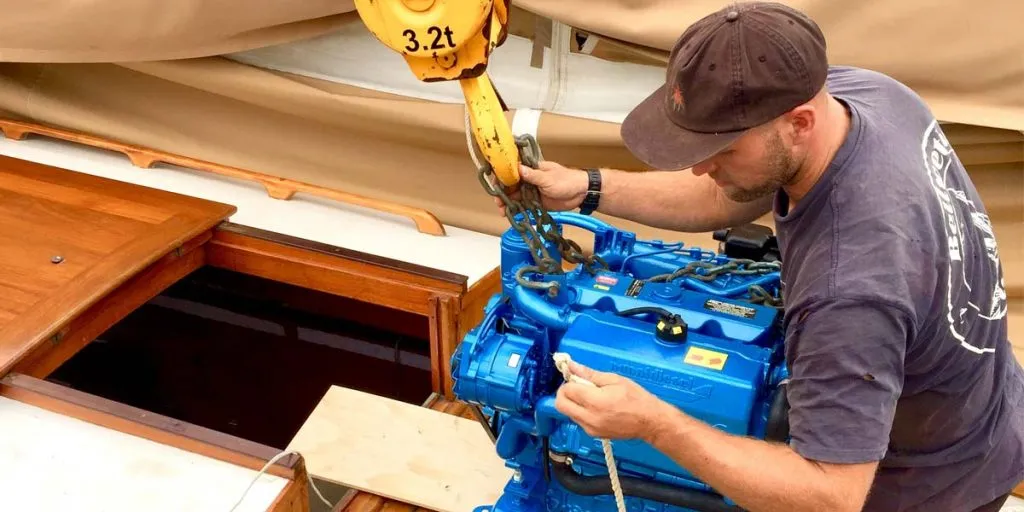
Prepare a marine diesel spares enquiry using engine identity, service history, existing stock and the work you can competently carry out.
Read the guideAssess dealer access, parts enquiries and planned maintenance alongside an engine quote before committing to a repower.
Read the guideCompare a new engine, a documented rebuild and repairing the existing engine using evidence, complete installation costs and local support.
Read the guidePrepare an installation brief before comparing replacement engines.
Read the guideUnderstand how the existing propulsion arrangement shapes the replacement project.
Read the guidePut equipment, installation and handover into a consistent comparison.
Read the guideOrganise the information a service technician needs before the next appointment.
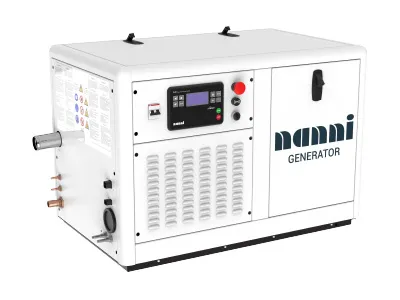
Read the guideDescribe the electrical demand and installation constraints before selecting a generator.
Read the guideInclude everyday inspection and future repair access in a repower assessment.
Read the guideKnow which documents, demonstrations and follow-up details to request.
Read the guideMarine displays, sensors & communications
Compare a marine electronics assessment, repair proposal and replacement quote without paying twice for the same unresolved fault.
Read the guideCompare receive-only AIS and transmitting systems, with antenna, display and commissioning questions for your installer.
Read the guideSeparate known costs, allowances and optional upgrades before committing to a marine electronics project.
Read the guideCompare a single-brand refit with retaining equipment from several makers, using a function-by-function compatibility schedule and realistic support costs.
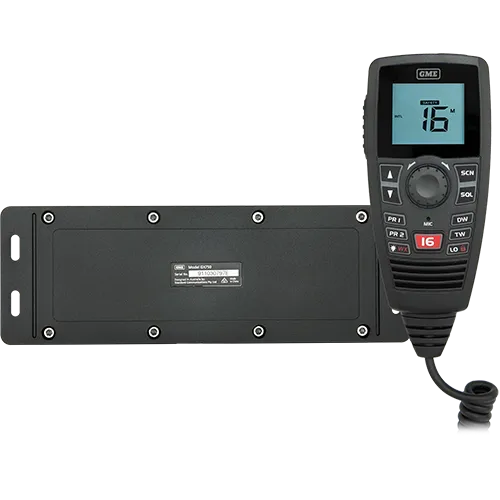
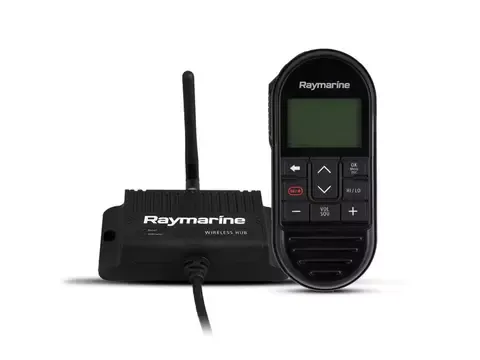
Read the guideCompare a portable marine VHF with a fixed installation, including antenna arrangements, power, crew access and the functions to confirm.
Read the guideMap the devices and information that need to work together aboard.
Read the guideCompare installation, access and support alongside the radio’s feature list.
Read the guideBuild a practical project list with priorities, exclusions and acceptance checks.
Read the guidePrepare records and a recovery route before changing an onboard system.
Read the guideChoose listening zones and controls before selecting entertainment equipment.
Read the guideCollect observations that help an installer reproduce the problem.
Read the guideTurn a list of desired features into an installation conversation.
Read the guideLifejackets, beacons & personal protection
Build a clearly labelled order for lifejacket rearming kits and replacement accessories using model-specific instructions.
Read the guideOrganise the safety equipment on a newly acquired boat before deciding what to retain, inspect or purchase.
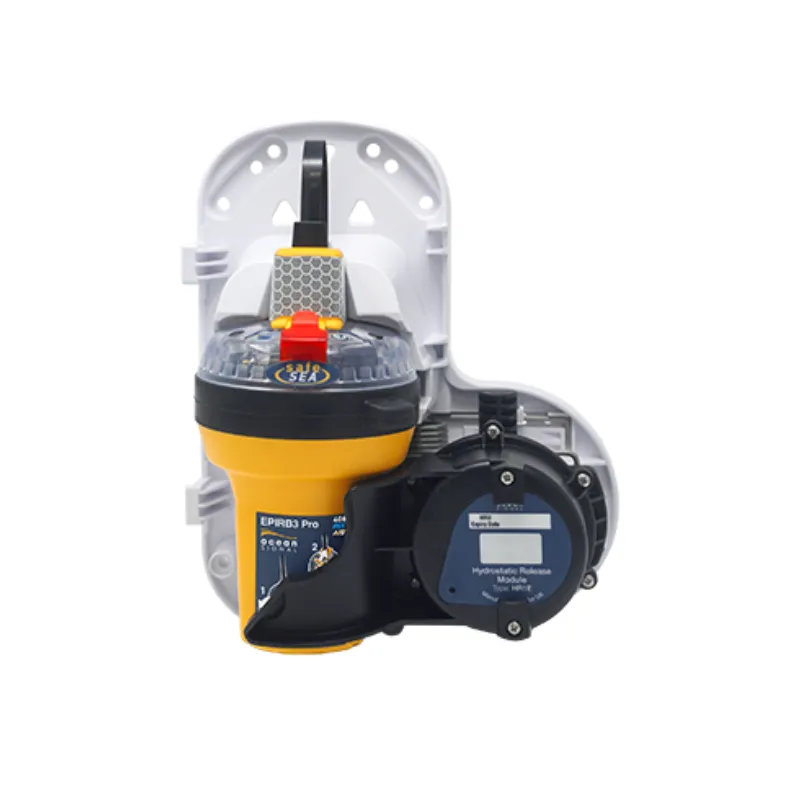
Read the guideCompare EPIRB mounting packages, Australian model references, registration and maintenance costs before selecting a vessel distress beacon.
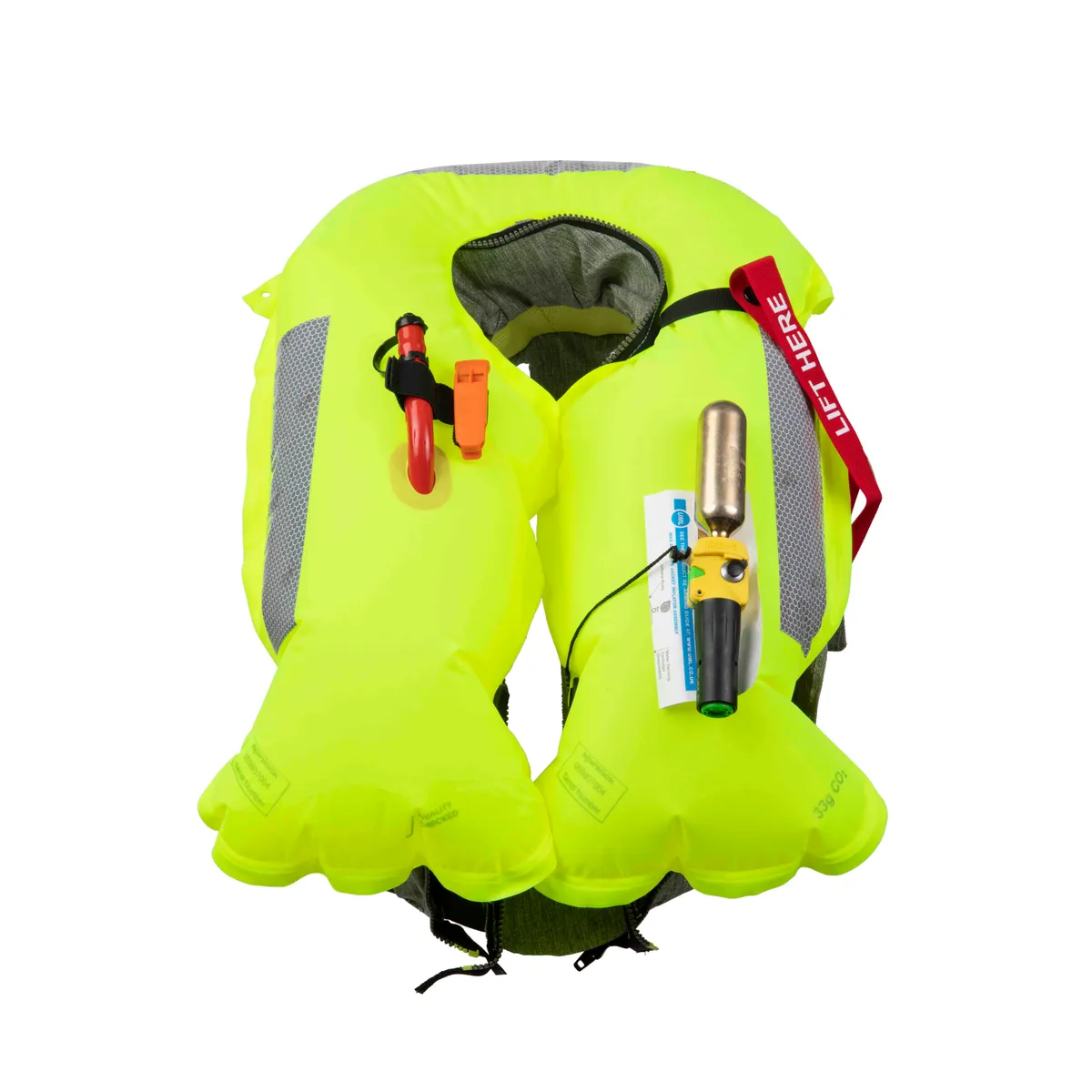
Read the guideCompare lifejacket versions through fit, intended use, clothing, servicing and exact model documentation rather than choosing by buoyancy number alone.
Read the guideSeparate vessel beacons, personal beacons and local locating functions before comparing products.
Read the guideCompare fit, intended use and service support with the exact model in front of you.
Read the guideCreate a model-by-model record instead of assuming every jacket has the same requirements.
Read the guideOrganise ownership details, expiry information and official support links.
Read the guidePrepare a whole-system discussion about moving around the boat while attached.
Read the guideBring equipment records, current requirements and service dates together.
Read the guideCheck ownership records and service information before relying on inherited equipment.
Read the guide