Marine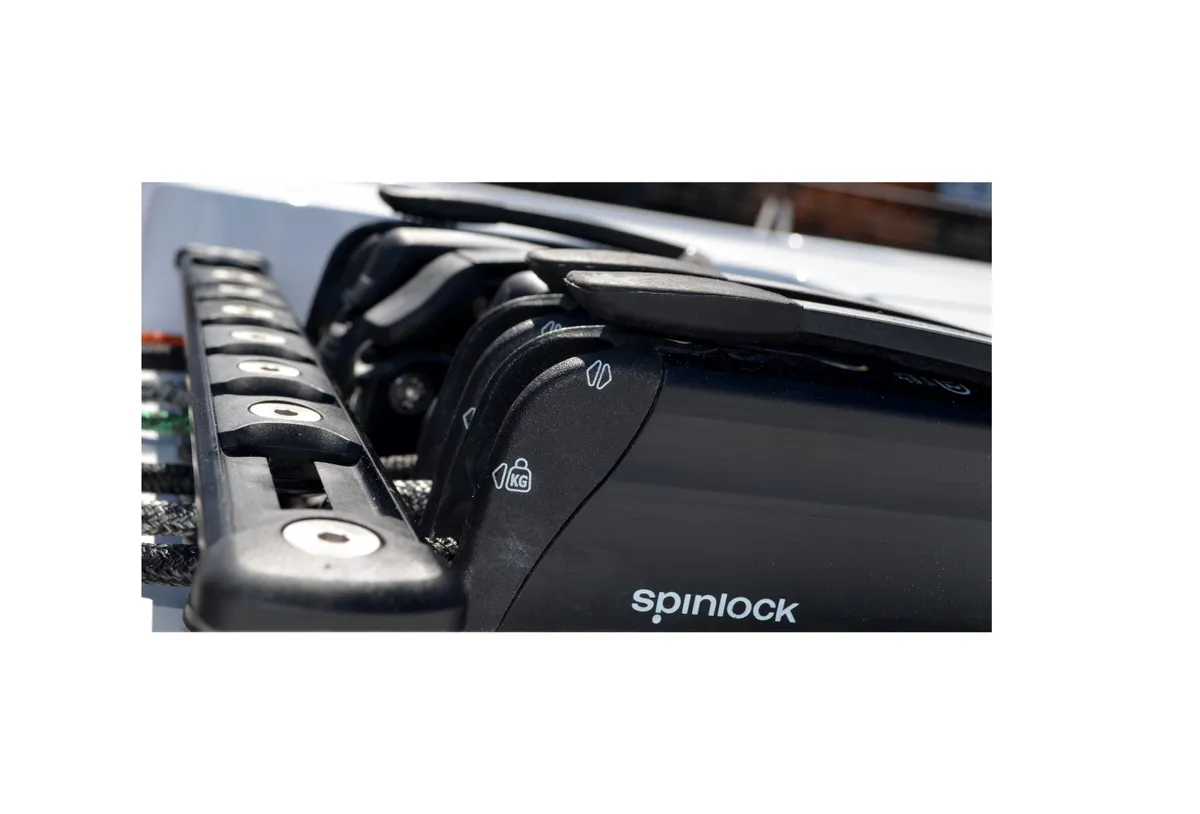
Choose the rope, holding hardware and working arrangement together. A diameter that fits through a clutch does not prove the combination is right for the task.
Describe the whole line path
Record the existing rope, clutch model, winch and the job the line performs. Photograph the lead into and out of the holding hardware and note the problem you are trying to solve. Slipping, wear and difficult handling deserve investigation before a replacement is chosen.
Ask a rigger whether the problem comes from condition, selection or layout. Keep that diagnosis separate from the desire to buy a higher-specification line. Changing one component without understanding the others can leave the original issue unresolved.
Compare the exact rope and hardware combination
Use the manufacturer’s model-specific rope range and guidance. Spinlock’s XX family, for example, has distinct variants and specifications. A shared family name does not make every version equivalent, and a nominal rope diameter alone does not describe its construction.
Request written confirmation of the proposed rope and clutch combination for the intended application. Ask which performance claims depend on a particular rope or configuration. Let the specialist assess the operating loads and mounting requirements; this guide does not calculate them.
Expose the installation work
If the clutch changes, ask whether the current mounting and line lead can be retained. Include any required assessment and deck work in the proposal. A replacement unit that appears similar on top may still change the installation below it.
If the rope changes, request the complete finished-line specification, including length and any required terminations. Compare delivered, usable lines rather than a per-metre price for bare rope against a finished assembly. Identify who measures and checks the fit.
Ask how the combination will be checked
Include an appropriate handover and the manufacturer’s care information. Ask the supplier to explain the normal operation and how concerns about slipping or wear should be reported. Keep the product identifiers for future service enquiries.
An illustrative halyard upgrade may retain suitable holding hardware after assessment, while another boat may need both components changed. Ask for those alternatives with clear reasons. The goal is a workable system, not simply the most expensive rope and clutch on separate lists.
Your planning checklist

Turn the lesson into a useful brief.
Tick what you have gathered. Add your boat details and questions, then save a copy to take to a supplier.
Notes stay in this page and are not submitted. Download before leaving; this page does not save them.
Buying questions, answered
Is matching the rope diameter sufficient?
No. Ask about construction, the exact holding hardware and the intended application as well as the manufacturer’s permitted diameter range.
Should a slipping halyard always mean a new clutch?
Ask a rigger to assess the cause first. Rope condition, hardware condition and the arrangement can all be relevant to the buying decision.
Sources & further reading
Original MarineBrands buying and planning guidance, informed by these manufacturer and official references. Confirm current specifications for the exact model and Australian version.
- Spinlock · XXA / XXB Powerclutch range ↗
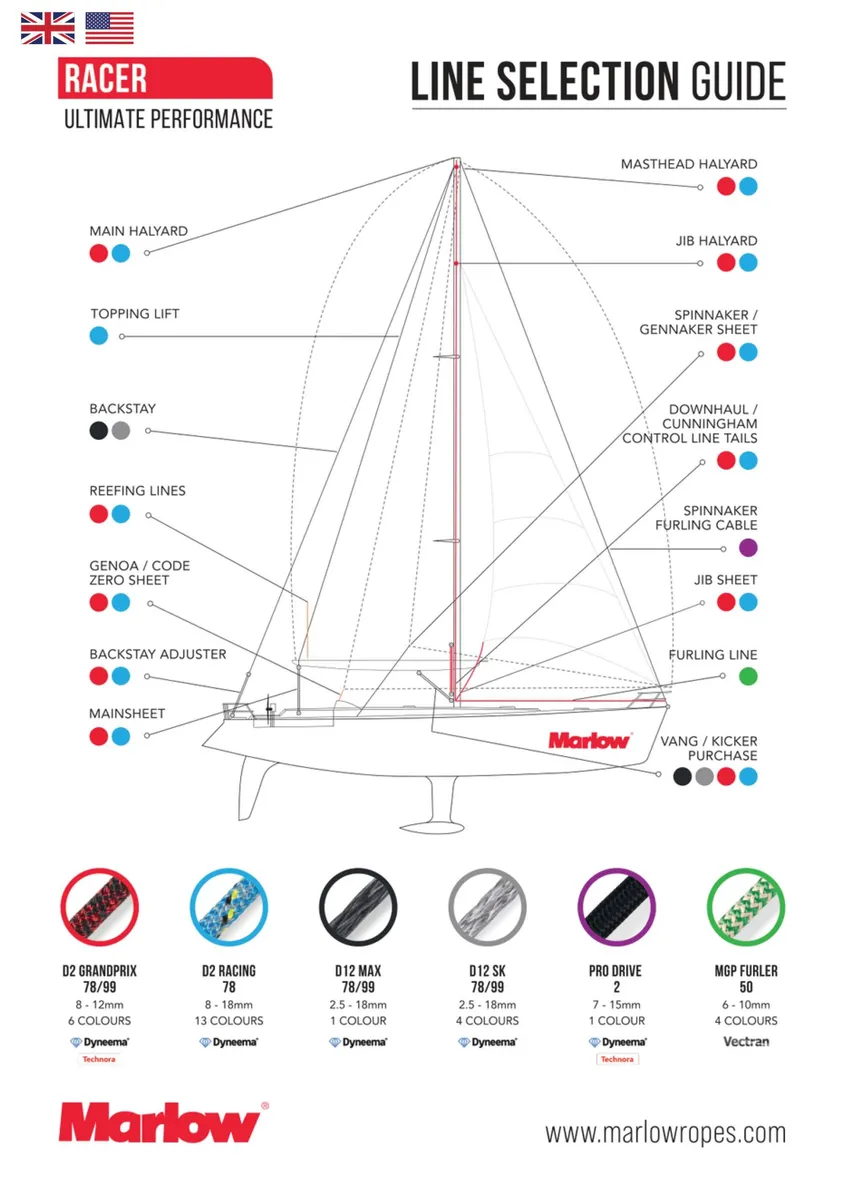
- Marlow Ropes · leisure marine rope guide (PDF) ↗
- Spinlock · product instructions and support ↗
This is an editorial guide. Linked brand advertorials are identified separately; no paid sponsorship or manufacturer approval of this guide is claimed.