COUNTRY, HISTORY & PRODUCT GENERATIONSWhere the brand began.
- Country of origin
- Australia
- Time in the industry
- About 73 years since the 1953 founding
Ronstan began in Highett, Melbourne in 1953. Its current blocks and Orbit winches belong to individual product families and revisions. Preserve the part number when ordering spares; the number of years the company has operated does not date a particular fitting.
Calendar-year comparisons as of 2026. Origin means the brand’s beginnings, not the manufacturing country of every product. The history sources below document the distinction.
QUALITY / WHAT THE EVIDENCE CAN TELL YOULook beyond the badge.
For deck hardware, meaningful quality comparisons start with the specified application and the manufacturer’s load and rope guidance. Ronstan offers different block and winch arrangements; a size or family name alone is not enough to establish that a fitting suits a loaded control system.
Ask a rigger to check mounting, rope compatibility, service access and the required operating procedure. Compare the availability of instructions and model-specific spares alongside the purchase price. A hardware upgrade is most useful when its inspection and maintenance are practical on the finished boat, rather than merely impressive on a product sheet.
MarineBrands buying analysis, informed by the linked product documentation and history references. We have not laboratory-tested these products or assigned a brand-wide quality rating.
THE PEOPLE & THE PROVENANCEThe story behind Ronstan
Ron Allatt and Stan Lenepveu established Ronstan around wooden boat building and stainless-steel deck fittings. Ronstan’s history records registration of Ronstan Marine Equipment Pty Ltd on 21 December 1953. It later expanded its hardware business; its timeline records the acquisition of Andersen Winches in 2010.
- 1953
Ronstan Marine Equipment Pty Ltd registered on 21 December.
- 2010
Company history records the Andersen Winches acquisition.
- 2011
Core Block range receives a Red Dot Award, according to Ronstan’s timeline.
History references: Ronstan · company timeline · Ronstan · Orbit and Andersen comparison
MEET THE BRANDMake sail handling part of the performance.
Ronstan’s sailboat hardware range focuses on the points where the crew and the rig meet. Blocks, winches and related fittings provide the building blocks for line-handling arrangements across dinghies and larger yachts.
Look at the complete line path
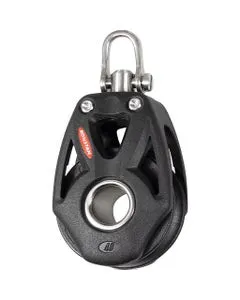
A block is part of a system: the line, load, attachment point and available space influence its selection. Ronstan’s Series 40 Orbit range is one example in its dinghy and sportsboat offering, with several configurations for different layouts. Browse the family, then confirm the exact part required.
Move from purchase systems to winches
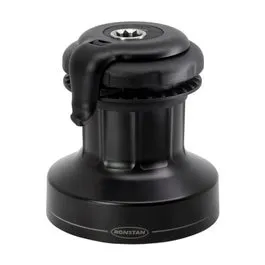
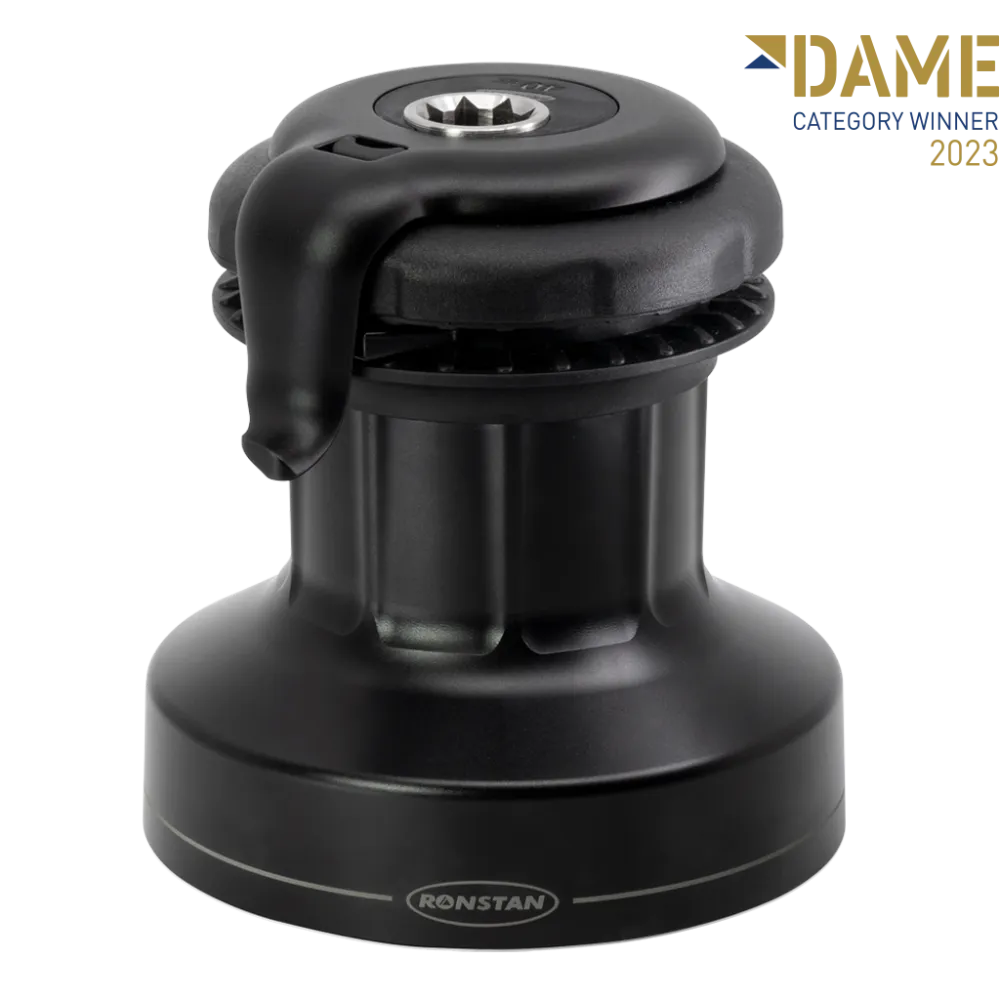
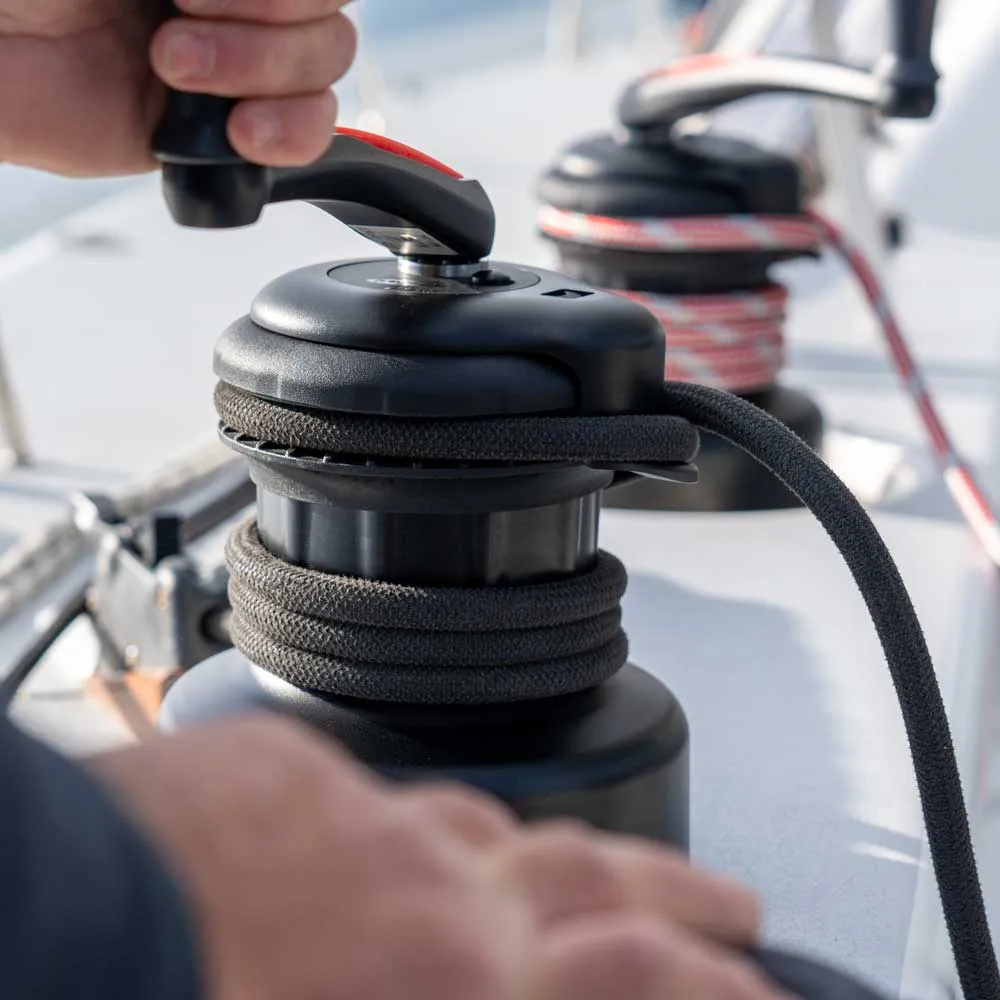
Ronstan’s Orbit winches extend the range into assisted line handling for yachts. Product families contain different sizes and configurations, so a model should be matched to the task and deck arrangement. Existing mounting details and the lines being handled make a practical starting brief.
Talk in part numbers and applications
For a replacement, a photograph and existing part number can make an enquiry much more useful. For a new layout, describe the sailing application and boat details. Ronstan’s official contact channel can help route product questions, while Australian retailers provide a local supply path.
Is Ronstan a fit for your boat?
Select deck hardware as part of the loaded system. Block geometry, rope compatibility, attachment and the line route all belong in the specification. A photograph or nominal sheave size does not establish suitability for a particular load case.
For a winch upgrade, discuss deck structure, mounting and how the crew will operate it. Ask for a demonstration of the exact model’s trimming and release functions; a new operating feature needs familiarisation as well as installation.
What to check with the supplier
- Application, loads and attachment arrangement
- Line diameter and construction compatibility
- Mounting pattern and structural assessment
- Service access and operating demonstration
 Marine