Marine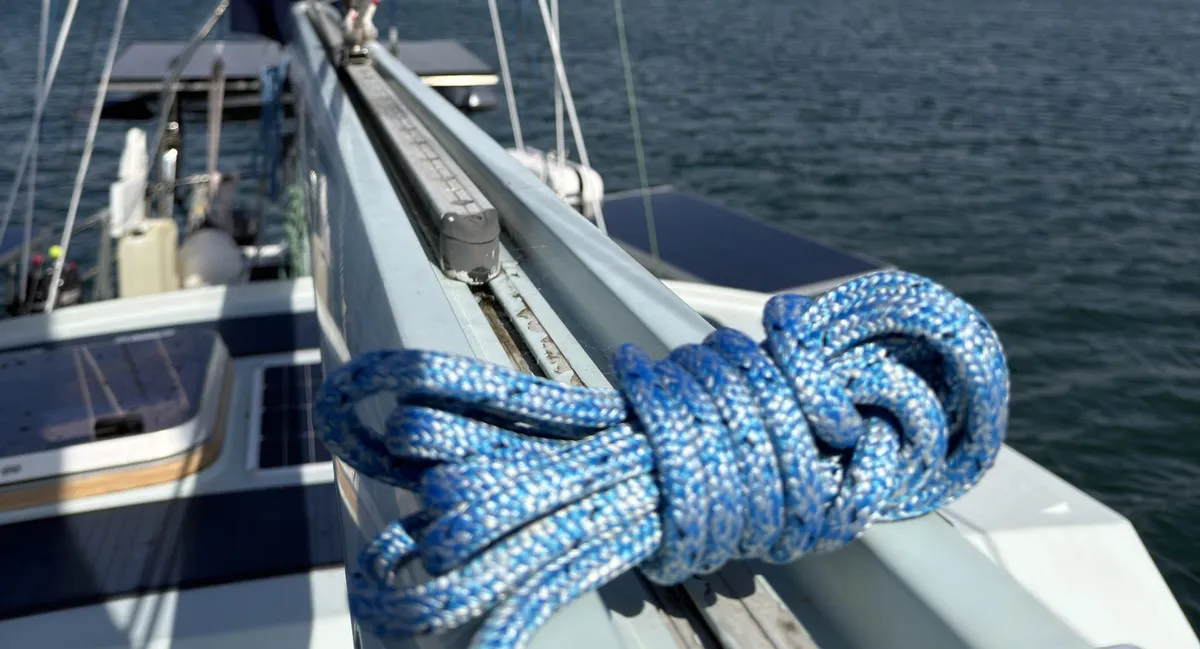
Understand it.
Choose with purpose.
Learn to see ropes and deck hardware as a connected load and handling system.
Trace one line from start to finish
Choose a familiar sheet or halyard and draw its route on paper. Identify the sail attachment, changes of direction, holding hardware and working position. Use only information that can be gathered safely; inaccessible equipment belongs in a rigger’s assessment. The drawing helps turn an isolated product search into a system discussion.
Describe the problem in ordinary language. Is the line uncomfortable to handle, difficult to adjust, slipping or showing local wear? Those are different observations. Avoid turning them into a diagnosis before a competent person has assessed the arrangement.
This category covers running lines and deck hardware. It does not provide a structural standing-rigging inspection or a procedure for working aloft. Keep the scope of your enquiry clear so the right professional is involved.
Understand why the parts must be selected together
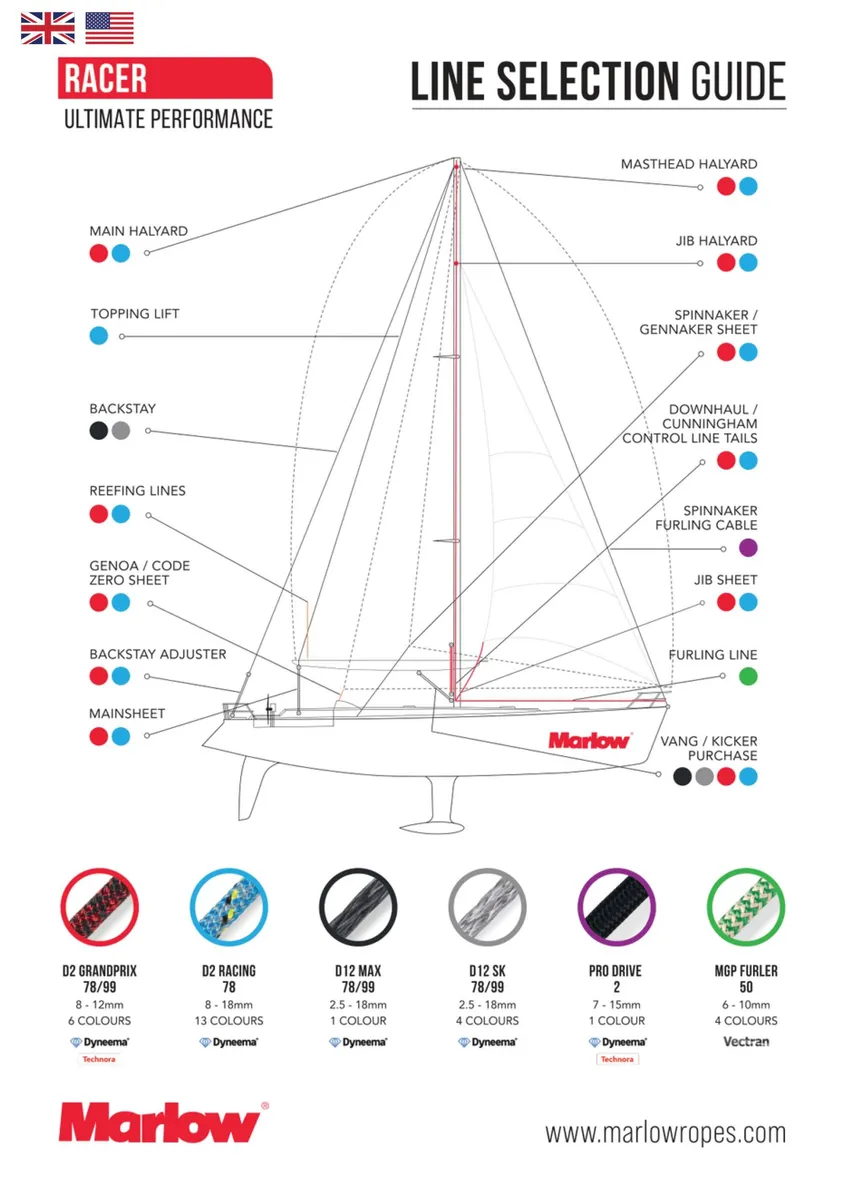
Rope construction and diameter interact with the equipment that guides and holds it. Marlow’s technical guide discusses the relationship between core, cover and deck gear. Ronstan distinguishes working-load ratings from breaking load. These references help establish the questions to ask, not a shortcut to specifying loads yourself.
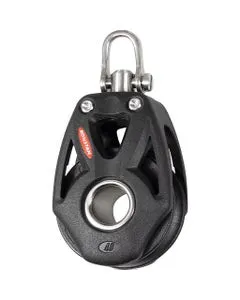
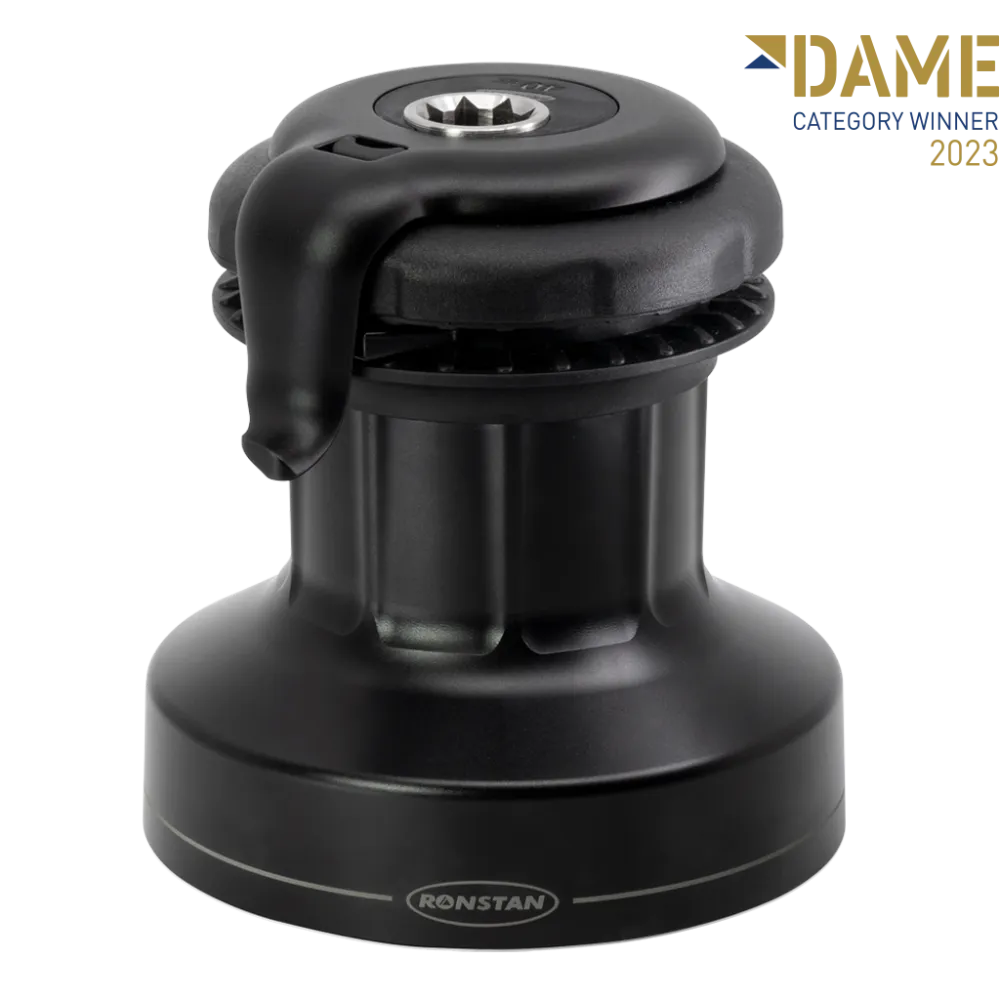
A replacement block, clutch or winch should therefore be considered in its actual arrangement. Ask the supplier to confirm the application, rope compatibility, attachment and mounting. Physical similarity or a matching hole pattern is not enough evidence.
When proposals differ, have each supplier explain the whole supported combination. That explanation is more useful than comparing only rope strength, block diameter or winch size.
Make the system understandable to the crew
Once the specification is agreed, document the line roles, hardware models and finished assemblies. Use clear identification so a new crew member can distinguish controls. Include model-specific operating familiarisation and keep the instructions available.
Ask for care and inspection guidance appropriate to the actual products. Record repeated wear and its location instead of replacing the same part indefinitely without investigating the cause. Keep a dated history of changes.
A well-planned rigging project improves the way the boat works as a whole. It can reduce confusion and make maintenance more organised while preserving the professional assessment needed for loads, mounting and safe operation.
Compare the approaches
Use these differences to frame a conversation. This is a comparison of project approaches, not a ranking of brands.
| Approach | When to consider it | What to resolve |
|---|---|---|
| Rope renewal | A line reaching the end of useful service | Confirm the complete finished specification. |
| Hardware replacement | An assessed worn or unsuitable component | Check the connected rope and mounting. |
| Handling redesign | A changed crew or control requirement | Assess the complete route and operating position. |
The same halyard wears in the same place
An owner has replaced a line twice and is considering another brand.
A considered approach
The rigger reviews the wear location and complete route before recommending rope or hardware changes. The final specification and cause are recorded.
Repeated replacement is not a substitute for diagnosis.
Two mistakes worth avoiding
Selecting on a single strength figure
The application, working rating and compatibility still need assessment.
Forgetting the crew’s working position
Reach, visibility and operating space are part of a useful brief.
Know the terms
- Running rigging
- Lines used to hoist and control sails.
- Sheave
- A wheel that guides a line.
- Termination
- The specified finished end of a rope.

Turn the lesson into a useful brief.
Tick what you have gathered. Add your boat details and questions, then save a copy to take to a supplier.
Notes stay in this page and are not submitted. Download before leaving; this page does not save them.
Sources & further reading
Manufacturer and authority references for the concepts and product context discussed here. Examples and planning exercises are MarineBrands editorial; they do not imply brand endorsement or product testing.
- Marlow Ropes · leisure marine rope guide (PDF) ↗
- Ronstan · choosing a sailing block ↗
- Spinlock · product instructions and support ↗