Marine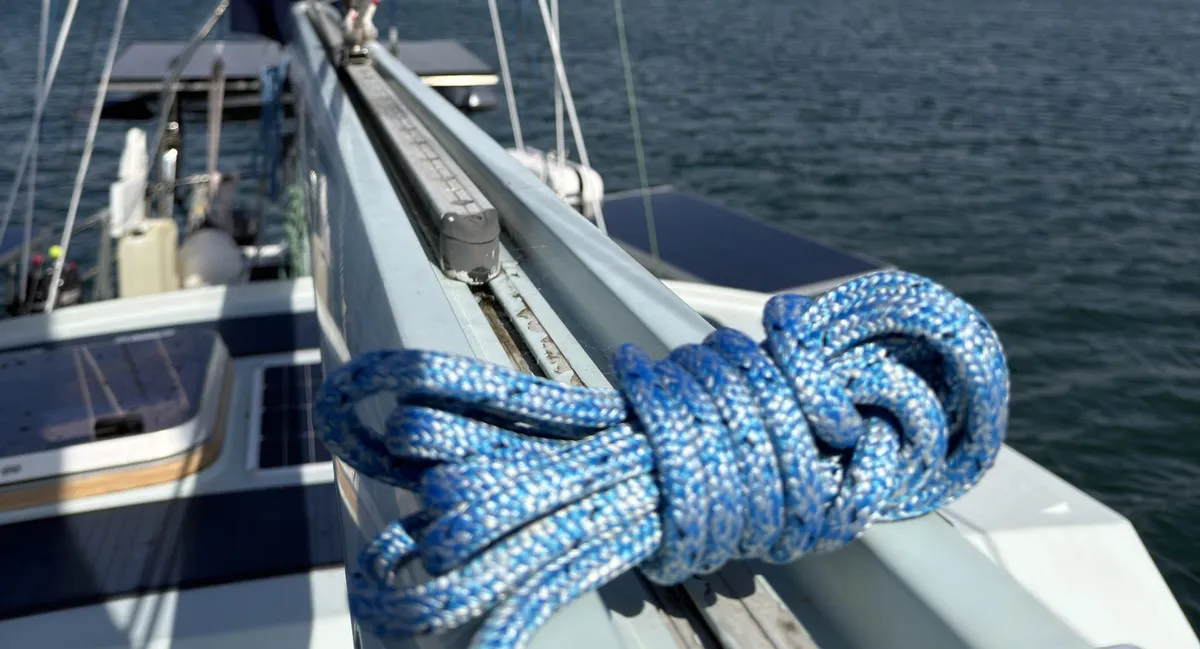
Compare the finished assembly and its intended job, including the work that turns bulk rope into a usable line.
Describe the entire rope path
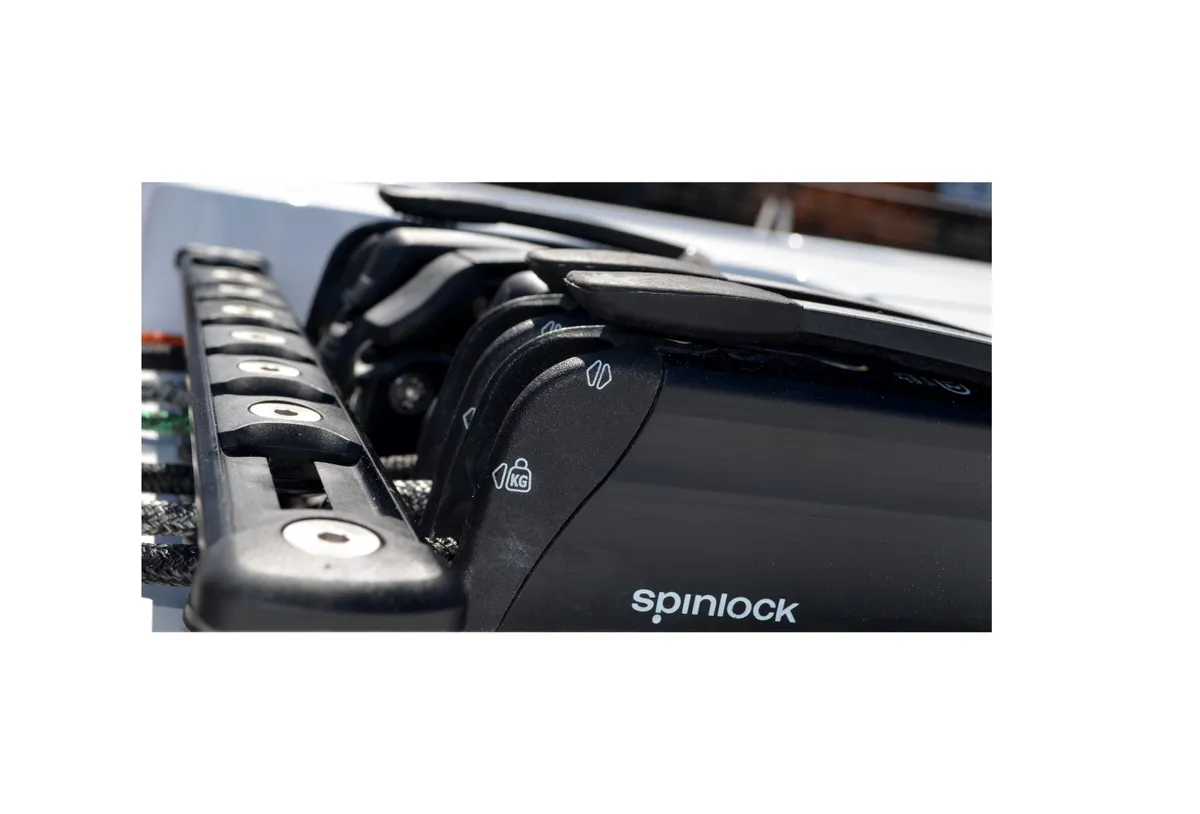
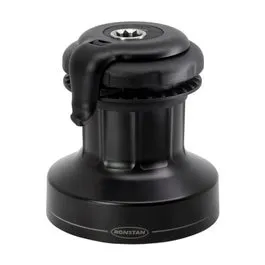
Start with the line’s job and the hardware it passes through. Give the rigger the boat details, existing arrangement and photographs of clutches, blocks and attachment points. Explain whether the problem is handling, wear or unwanted movement under load. These are different questions even when the old line has one familiar diameter.
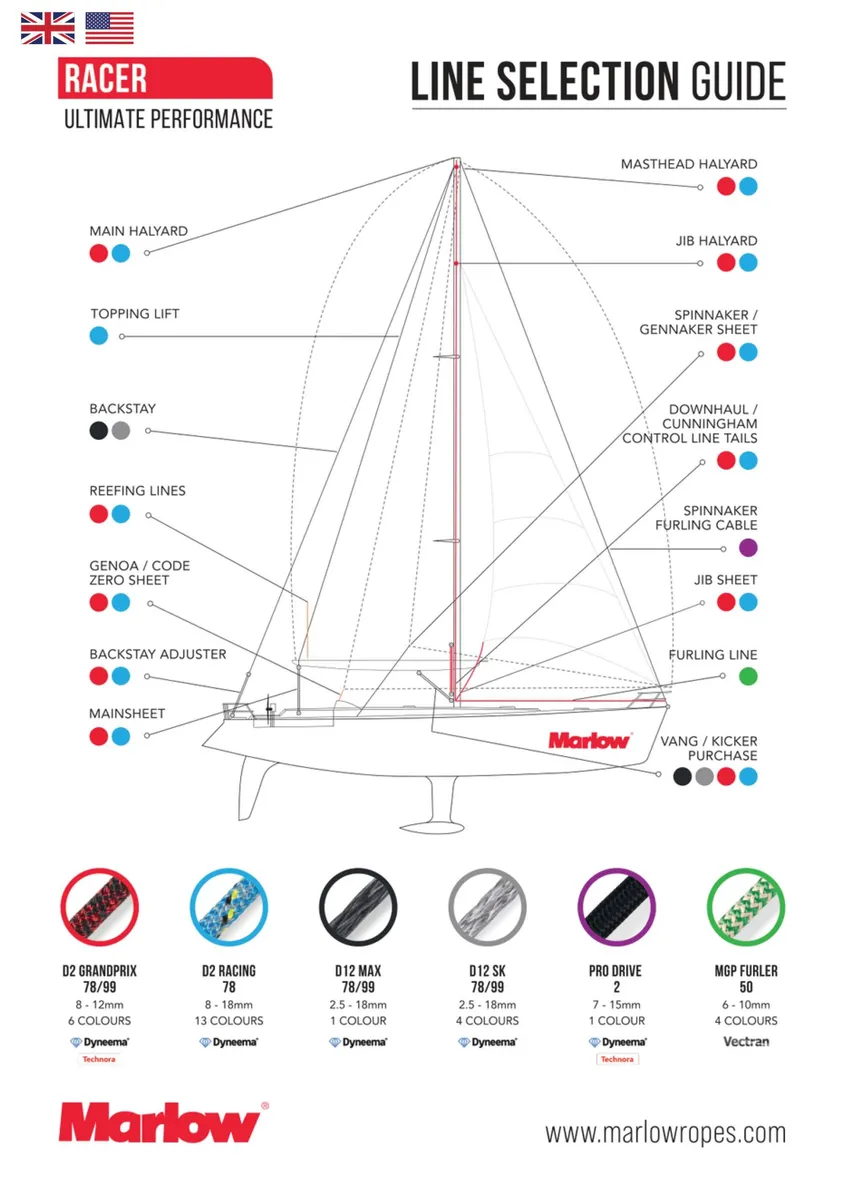
Marlow’s application-based selection resources are useful starting references. Ask the specialist to match the proposed construction to the actual application and hardware rather than choosing on fibre name alone.
Agree how finished length is measured
State whether an old line is being provided as a reference and disclose any known problem with its length. Ask the supplier to define the measurement points for the completed assembly, including any eyes or attachments. Do not assume a purchase of raw metres produces the same finished length after specialist work.
Record the colour and identification convention as well. On a boat with several similar control lines, a clear naming system makes delivery checking and later replacement enquiries considerably easier.
Make termination work part of the specification
Ask which end treatment or attachment the rigger proposes and why it suits the selected rope and use. Any splice, taper or cover treatment should be specified by someone familiar with that construction. This buying guide does not provide splice dimensions or certify the strength of an assembly.
Check that the finished ends can be installed through the intended route. A professionally made attachment may still create an access problem if the installation sequence was never discussed before the line was finished.
Compare delivery-ready proposals
Request a price that separates rope, specialist labour, attachments and fitting where relevant. Agree what identification and care information comes with the assembly. Inspect the delivered labels and dimensions against the order before the old line is removed or the new one is installed.
For an illustrative halyard replacement, one quote may cover a cut length while another includes a completed attachment and installation. Compare them only after the missing work is identified. Keep the approved specification for future orders instead of reconstructing the same decisions from memory next season.
Your planning checklist

Turn the lesson into a useful brief.
Tick what you have gathered. Add your boat details and questions, then save a copy to take to a supplier.
Notes stay in this page and are not submitted. Download before leaving; this page does not save them.
Buying questions, answered
Can I compare quotes by price per metre?
Only for equivalent raw rope. Finished assemblies may include different labour, attachments and installation work.
Should I copy the old diameter?
Ask a rigger to check the application and hardware. The old line may not be the best reference for a changed brief.
Sources & further reading
Original MarineBrands buying and planning guidance, informed by these manufacturer and official references. Confirm current specifications for the exact model and Australian version.
- Marlow Ropes · application-based line selection ↗
- Marlow Ropes · leisure marine rope guide (PDF) ↗
- Spinlock · product instructions and support ↗
This is an editorial guide. Linked brand advertorials are identified separately; no paid sponsorship or manufacturer approval of this guide is claimed.