Some are manufacturer flagships. Others stand out for a distinctive design or a documented place in sailing history. This is our editorial selection, with official product references—not a sales ranking or a hands-on test.
Research checked 5 October 2026. Images: the linked manufacturers. Regional references are identified beside each product; confirm Australian availability and the exact specification with a local supplier.
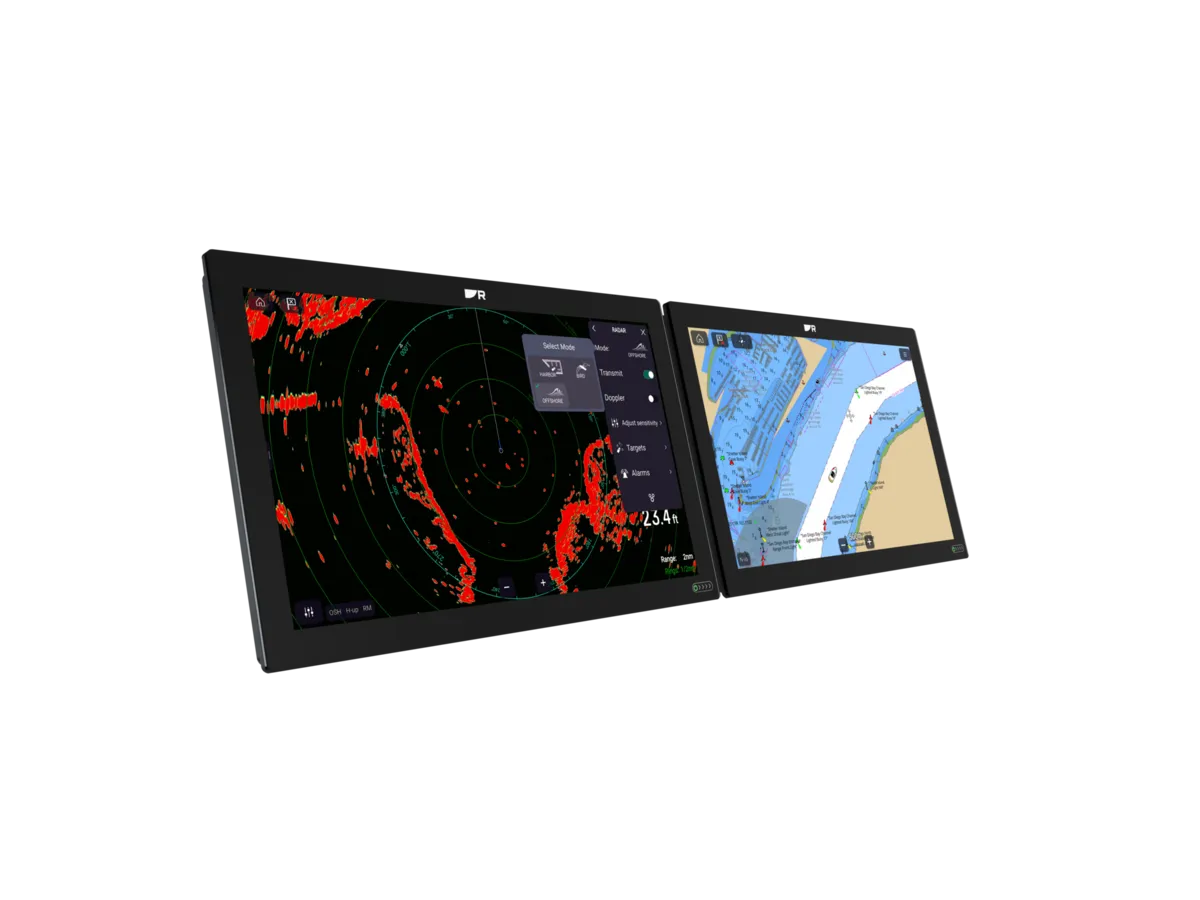
Raymarine positions Axiom 2 XL at the top of its Axiom family. Large-format displays bring charting, connected instruments and video together in a glass-bridge installation.
16, 19, 22 and 24 model sizes
Six-core processor and LightHouse operating system
Why it’s in the edit
A statement helm upgrade: its significance is the complete navigation environment you can build around it, rather than screen size alone.
Before you shortlist it
Ask the installer to specify chart coverage, network modules, power demand and the remote card reader. Compare the display-only and kit contents.
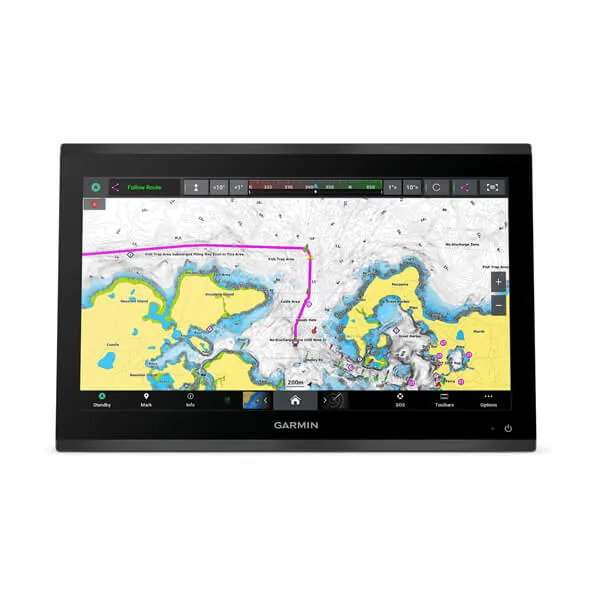
Garmin’s large-format GPSMAP 9019 combines a 4K IPS touchscreen with Garmin BlueNet networking. It is an example of a chartplotter becoming the centre of a connected helm.
4K IPS touchscreen
Garmin BlueNet network connections
Why it’s in the edit
Selected for its high-resolution display and system-wide role. It gives a refit conversation a concrete starting point: what belongs on the main screen, and what deserves a separate instrument?
Before you shortlist it
Official Singapore product reference. Confirm Australian model, charts and supply. Existing Garmin network equipment may require additional integration hardware.
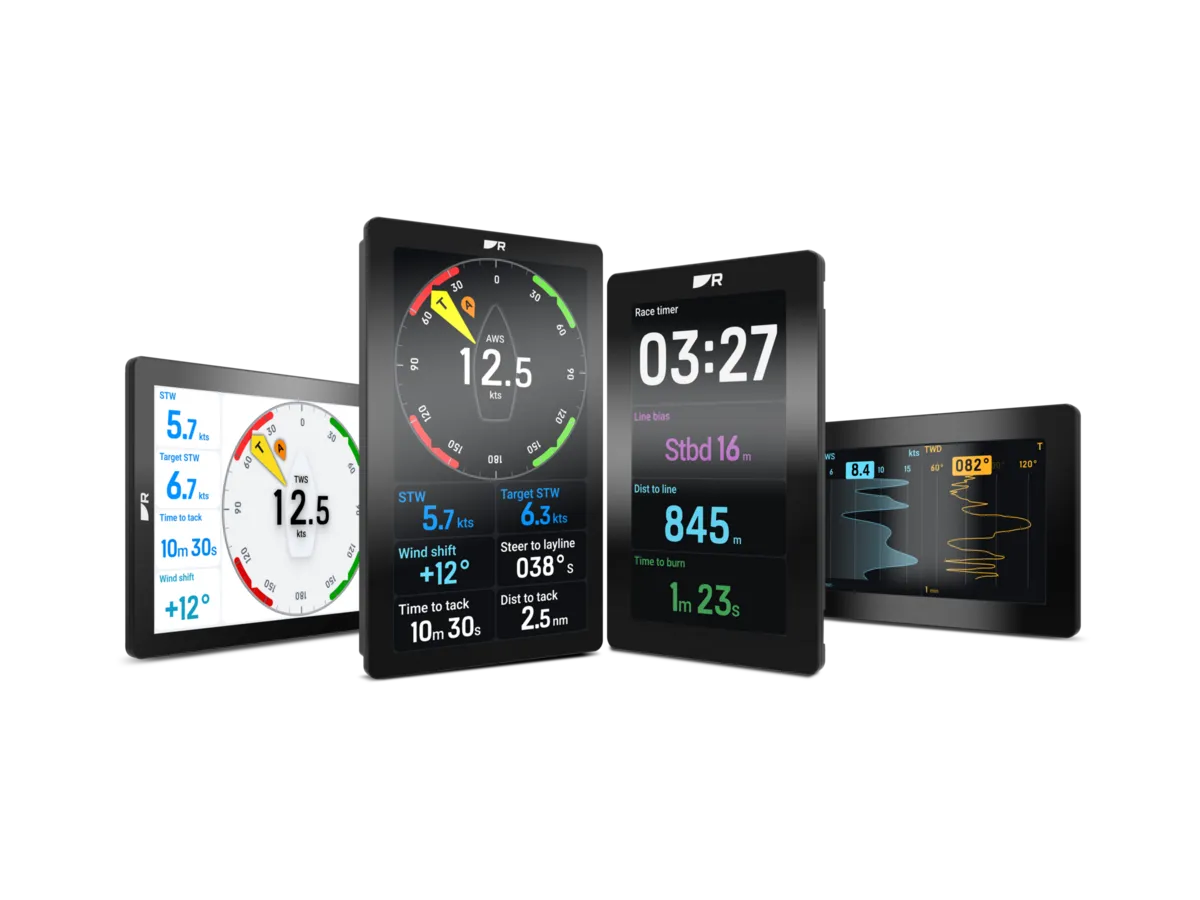
Alpha is Raymarine’s performance-instrument display family, offered in 7- and 9-inch formats with portrait or landscape mounting. It presents sailing data as part of an Axiom-connected installation.
7- and 9-inch formats
Portrait or landscape mounting
Why it’s in the edit
A strong example of a dedicated instrument doing a different job from a chartplotter. The crew can keep essential numbers visible while the helm screen handles the chart.
Before you shortlist it
Requires a compatible Axiom connection and appropriate data sources. Ask which sensors, cables and software versions the proposed installation needs.
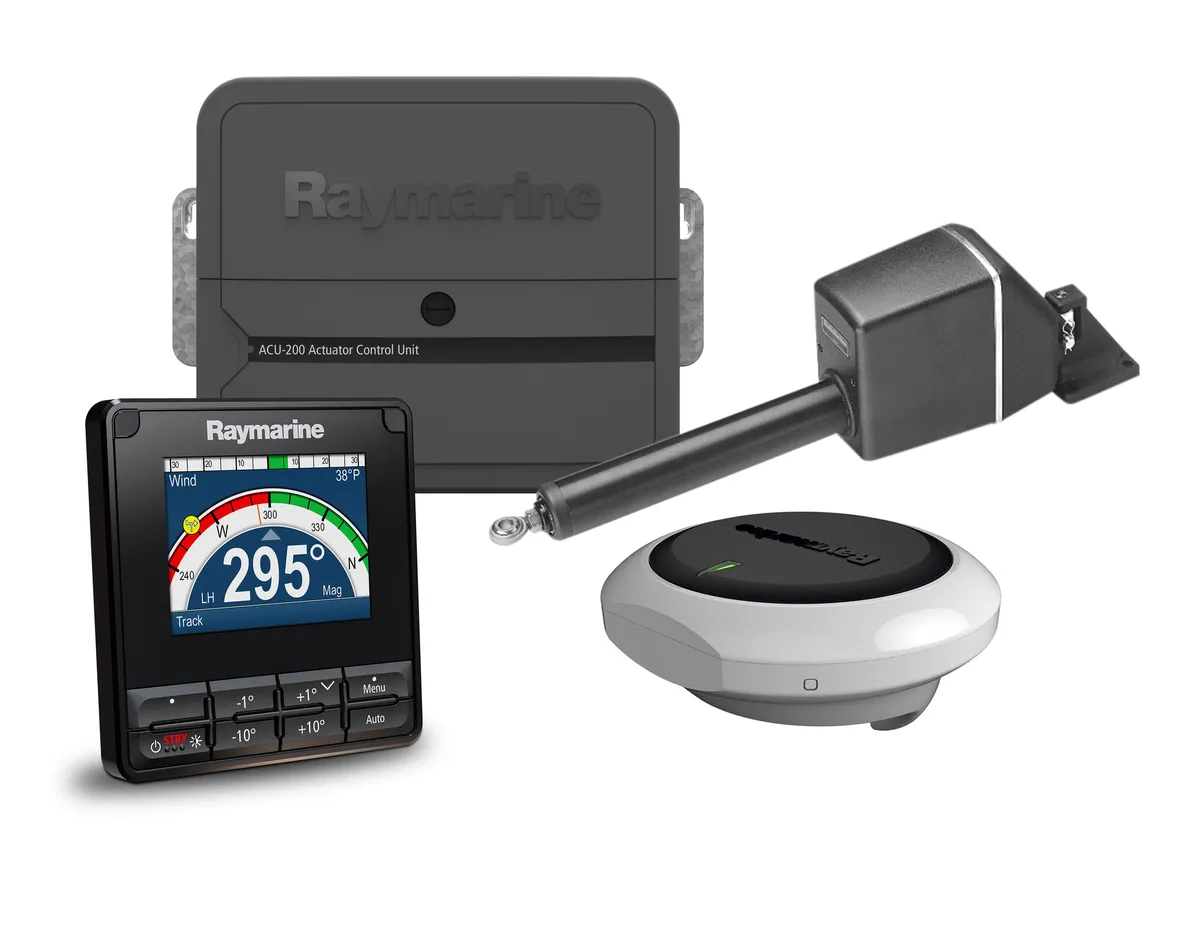
The EV-200 Sail Pilot is a system for mechanically steered sailing boats. The kit brings together a p70s controller, EV-1 sensor core, ACU-200 control unit and a Type 1 mechanical linear drive.
p70s controller, EV-1 sensor and ACU-200
Bundles offered with or without the drive
Why it’s in the edit
Selected because the product is an entire steering system. It makes the important questions visible: the drive, installation geometry, sensors, controls and commissioning all belong in the quote.
Before you shortlist it
Official US reference. A marine installer must check displacement, steering arrangement and drive suitability. Confirm the Australian bundle and exactly what it contains.
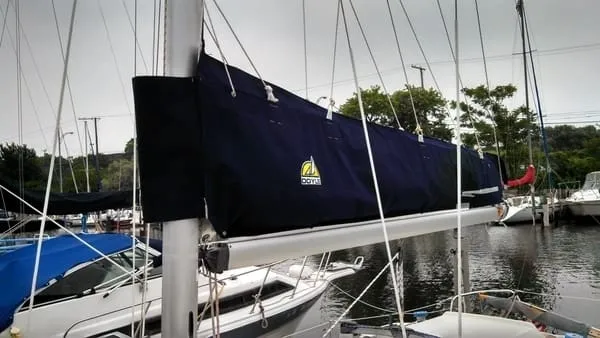
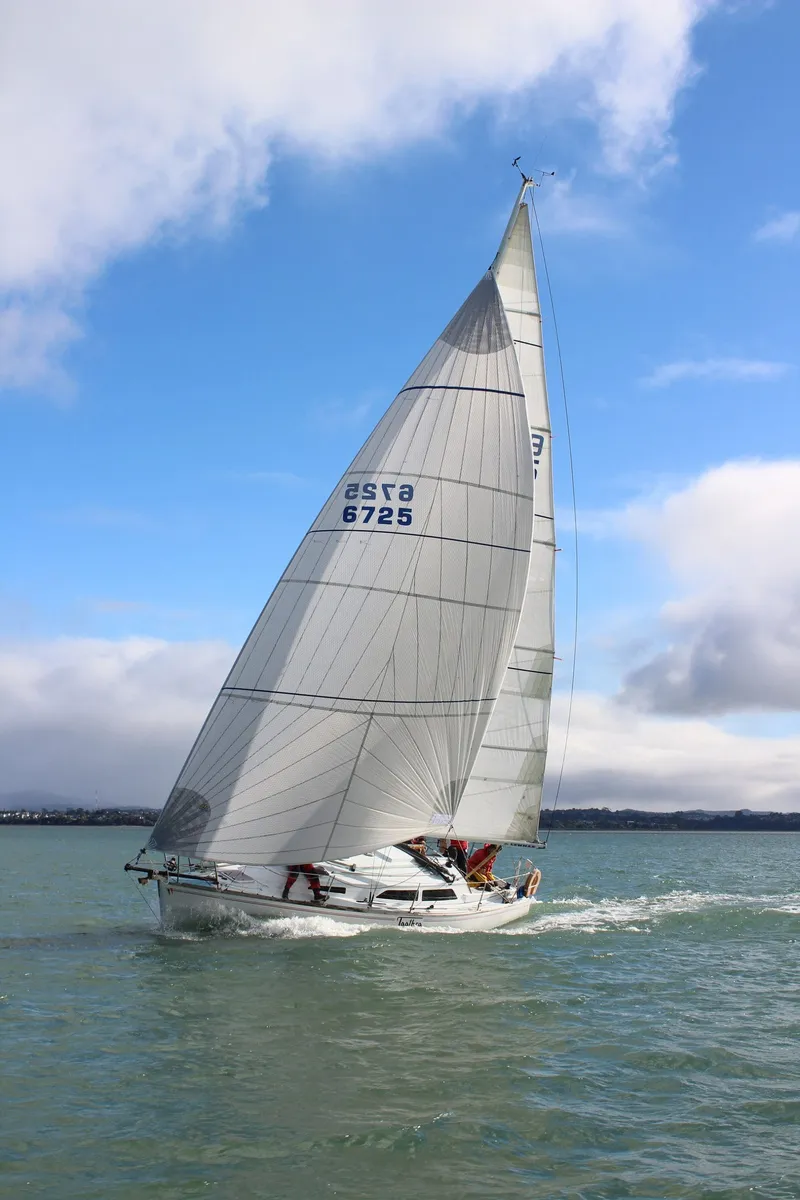
Doyle traces the first StackPacks to Robbie Doyle in 1989. The system combines a fully battened mainsail, lazyjacks and an integrated cover to gather and protect the lowered sail.
First StackPacks delivered in 1989, according to Doyle
Integrated sail, lazyjack and cover system
Why it’s in the edit
An enduring sail-handling idea with a documented origin. It puts a familiar cruising problem—managing the mainsail at the end of a sail—at the centre of the design.
Before you shortlist it
Discuss your existing mainsail, boom, reefing arrangement and cover dimensions with the loft. An existing sail may be suitable as a base after assessment.
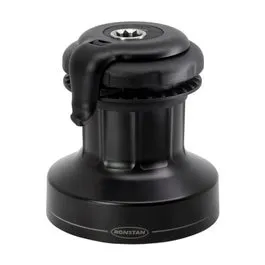
The two-speed 40QT is a specific model in Ronstan’s Orbit Winch family. Its QuickTrim self-tailer is designed to allow small easing adjustments without removing the line from the self-tailer.
Two-speed aluminium winch
QuickTrim self-tailing mechanism
Why it’s in the edit
A substantial piece of deck equipment with a clear design idea. The interest is in how the sailor interacts with a loaded sheet, as well as the mechanics inside the drum.
Before you shortlist it
Official US model reference. Confirm local supply, deck loads and rope compatibility. QuickTrim must be enabled as described in the manufacturer’s instructions.
Stratis is Doyle’s custom membrane sail technology. The sail structure is developed for the yacht and its intended programme, rather than selected as a standard, off-the-shelf sail.
Custom membrane construction
Specified around the yacht and sailing programme
Why it’s in the edit
This is a signature technology rather than one stock model. It opens a useful conversation about shape, load paths and the balance between performance, handling and service life.
Before you shortlist it
Ask the loft to explain the proposed fibre and finish, the design brief and how repairs and ongoing care will be supported.
Doyle’s Cableless technology is used in selected reaching and downwind sails. It is a custom sail concept whose specification depends on the yacht, rig and intended use.
Custom reaching and downwind applications
Part of Doyle’s sail technology range
Why it’s in the edit
Selected as a distinctive sail-development story. Compare the whole handling arrangement with the loft: the sail, furling approach, attachment points and the way your crew will use it.
Before you shortlist it
Request the intended wind range and handling procedure for your exact sail. A technology name alone does not establish compatibility with an existing furler.
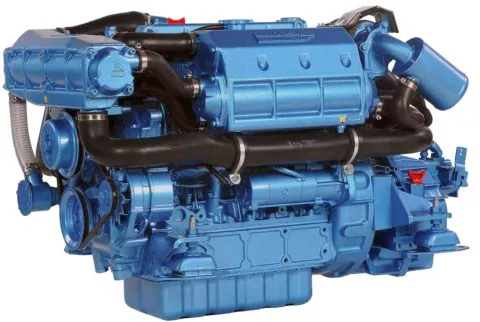
Nanni Australia lists the N4.140 as a 135 hp marine diesel based on a Kubota engine. Its product information describes a 3.8-litre engine used in heavier sailing boats.
135 hp as listed by Nanni Australia
3.8-litre Kubota-based engine
Why it’s in the edit
A major propulsion project deserves more attention than a parts listing. This model brings engine-room access, transmission, cooling, exhaust and local service support into the buying discussion.
Before you shortlist it
Ask a Nanni dealer to assess the complete installation. Image: the range illustration used on Nanni’s N4.140 page; confirm the supplied engine and transmission configuration.
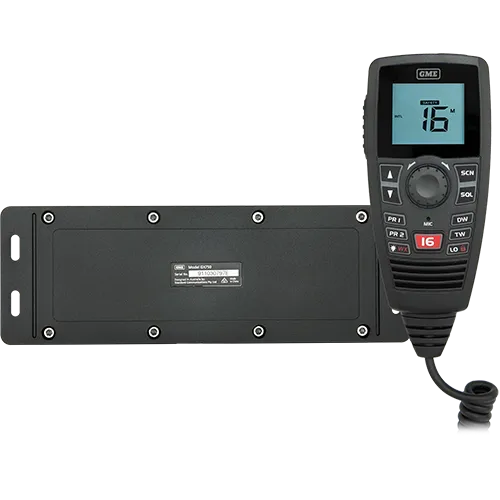
GME’s GX750B separates the radio’s main black-box unit from its LCD controller microphone. This modular arrangement is designed for installations with limited dashboard space.
Black-box unit with LCD controller microphone
25/1 watt switchable transmission power
Why it’s in the edit
A recognisable complete communications product, selected for its layout concept. It encourages a practical discussion about where a crew can reach and hear the radio.
Before you shortlist it
Plan the antenna, power supply and microphone cable route with the installer. Use the official manual to confirm functions; do not assume DSC or AIS from the black-box design.
Deckvest 6D combines an automatically inflating lifejacket with a deck harness. Spinlock lists 170N and 275N versions and an optional Harness Release System.
170N and 275N versions
Optional Harness Release System
Why it’s in the edit
Selected for the way it brings flotation, harness use and wearable equipment together. Trying on the exact version is an essential part of understanding the product.
Before you shortlist it
Official UK reference. Confirm the Australian version, fit, intended use and servicing arrangements. Harness Release System availability depends on the chosen configuration.
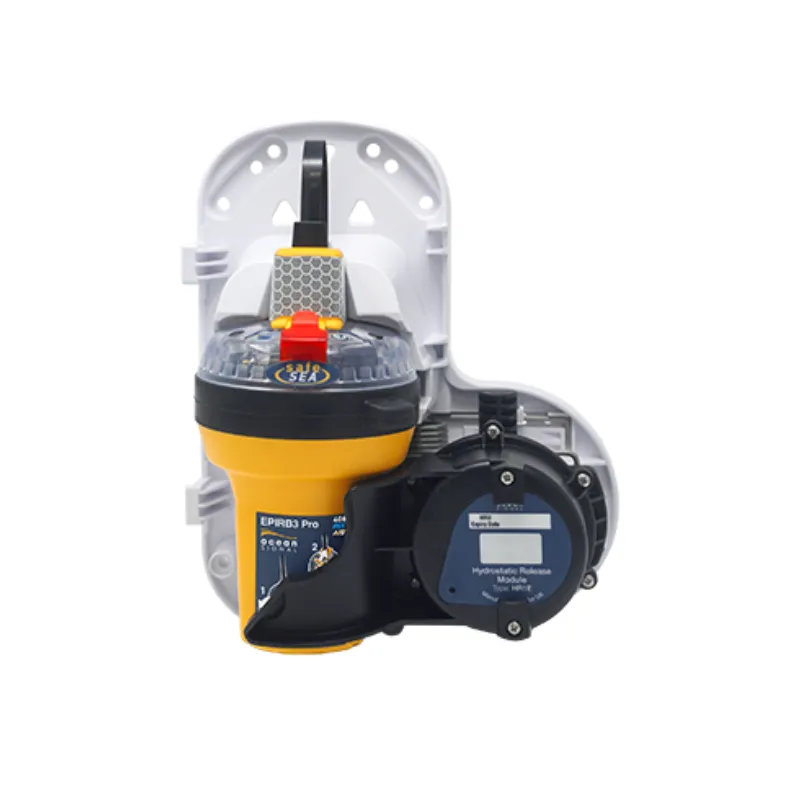
Ocean Signal’s EPIRB3 Pro combines satellite distress signalling with AIS in a float-free EPIRB package. It is vessel emergency equipment with installation and registration considerations.
Satellite distress signalling and AIS
Float-free housing
Why it’s in the edit
A substantial safety system with a defined role in the boat’s emergency plan. The useful comparison is the complete package: beacon, release housing, registration and maintenance.
Before you shortlist it
Confirm the Australian-approved model and registration requirements with the supplier. Follow the manufacturer’s mounting, testing and service instructions for the exact package.
We look for a clear role in a boat, a distinctive design idea, a manufacturer flagship position or documented product history. Each selection includes our editorial reason and an official reference. Inclusion does not mean it is the best product for every boat.
Are these independent product reviews?
No. These are researched product introductions using manufacturer information. MarineBrands has not tested this collection and does not assign star ratings. Read the official specifications and discuss the complete installation with an appropriate supplier.
Can I buy these exact models in Australia?
The collection includes Australian manufacturer pages and clearly identified overseas product references. A listing does not confirm local stock, approval or warranty coverage. Use the brand contact link to confirm the Australian model, configuration and support before ordering.
How should I compare a premium product with a simpler option?
Start with the job it needs to do on your boat. Compare the complete installed system, including compatible sensors, cables, mounting, commissioning, training and service. The linked product-type tutorials help you prepare those questions.
 Marine
 GPS chartplotters