COUNTRY, HISTORY & PRODUCT GENERATIONSWhere the brand began.
- Country of origin
- United Kingdom
- Time in the industry
- About 25 years under the Raymarine name since 2001
The Raymarine brand formation dates to 2001, with earlier Raytheon marine-electronics heritage. Current Axiom variants are separate product generations. A long corporate lineage does not mean an older radar or transducer will connect to every new display.
Calendar-year comparisons as of 2026. Origin means the brand’s beginnings, not the manufacturing country of every product. The history sources below document the distinction.
QUALITY / WHAT THE EVIDENCE CAN TELL YOULook beyond the badge.
Raymarine spans sailing, fishing and motor cruising. Axiom 2 Pro RVM documentation identifies sonar capabilities that differ from the S variant. This is a concrete reason to compare exact model suffixes and compatible transducers instead of treating every Axiom display as the same product.
Assess quality through readable controls, supported integrations, installation documentation and a clear Australian technical-support route. Ask an installer to demonstrate the required functions using the planned sensor and network combination. Any environmental specification belongs to its exact model and installation conditions; it is not a promise that all products withstand every exposure.
MarineBrands buying analysis, informed by the linked product documentation and history references. We have not laboratory-tested these products or assigned a brand-wide quality rating.
THE PEOPLE & THE PROVENANCEThe story behind Raymarine
Raymarine’s own history dates the brand’s formation to a 2001 management buyout of Raytheon’s marine division. Its technology heritage reaches further back, including early echo sounding in 1923, recreational autopilots in 1974 and SeaTalk in 1989. We show the brand date separately from that predecessor history.
- 1989
SeaTalk networking milestone in the predecessor technology history.
- 2001
Raymarine brand formed through a management buyout.
- 2004
C Series multifunction displays introduced.
History references: Raymarine · brand formation and commercial heritage · Raymarine · technology milestones
MEET THE BRANDBuild a clearer picture at the helm.
Raymarine’s navigation and instrument ranges offer several ways to develop an onboard electronics system. A chartplotter provides the broader view, while dedicated instruments keep selected wind, speed and depth information close at hand.
Choose a screen around its job
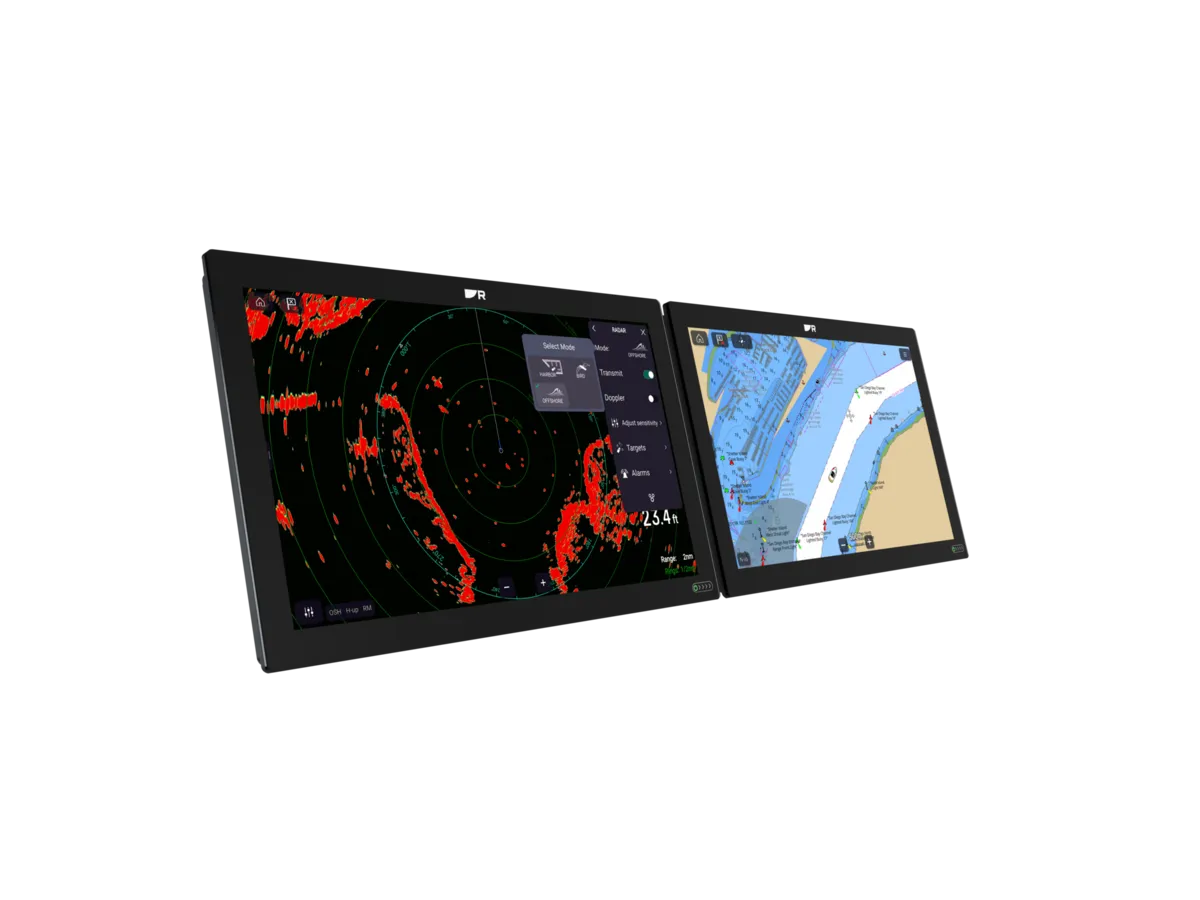
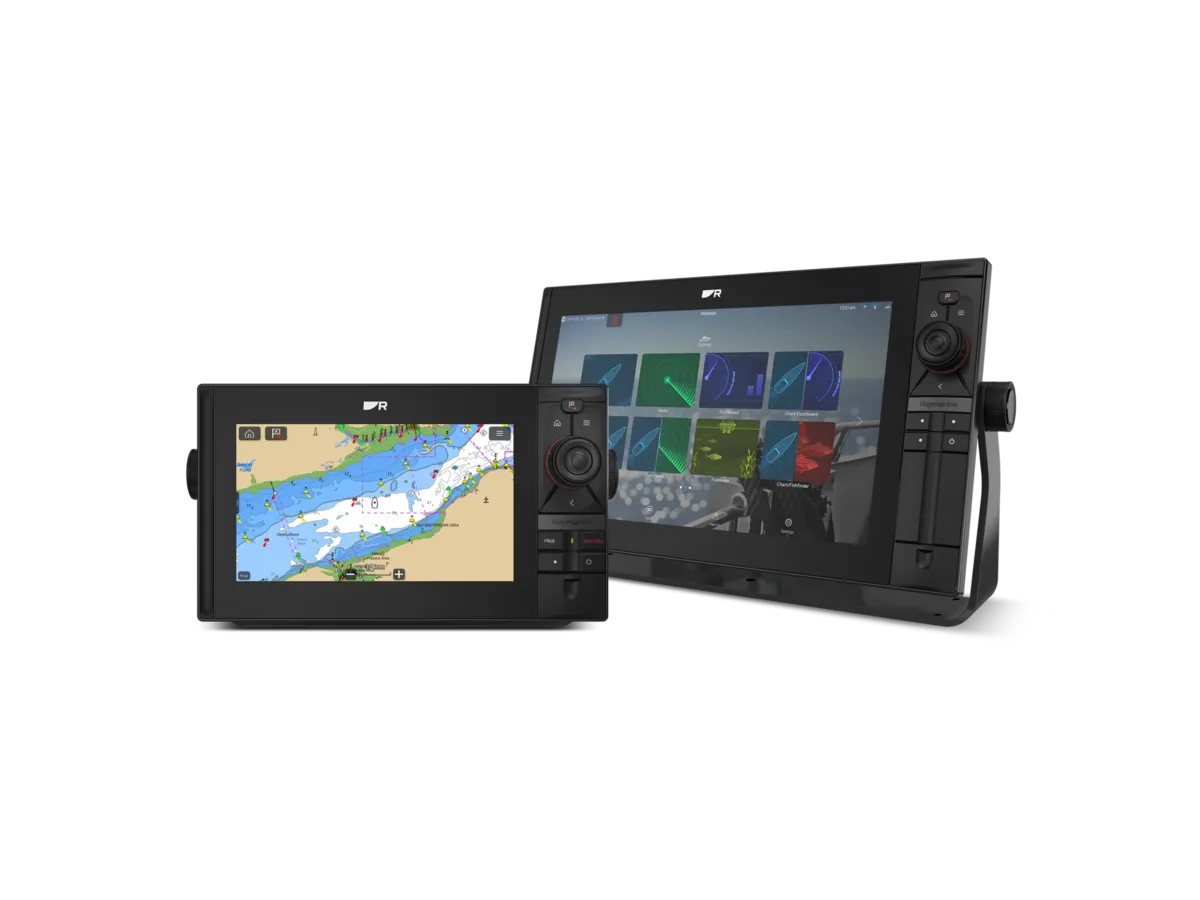
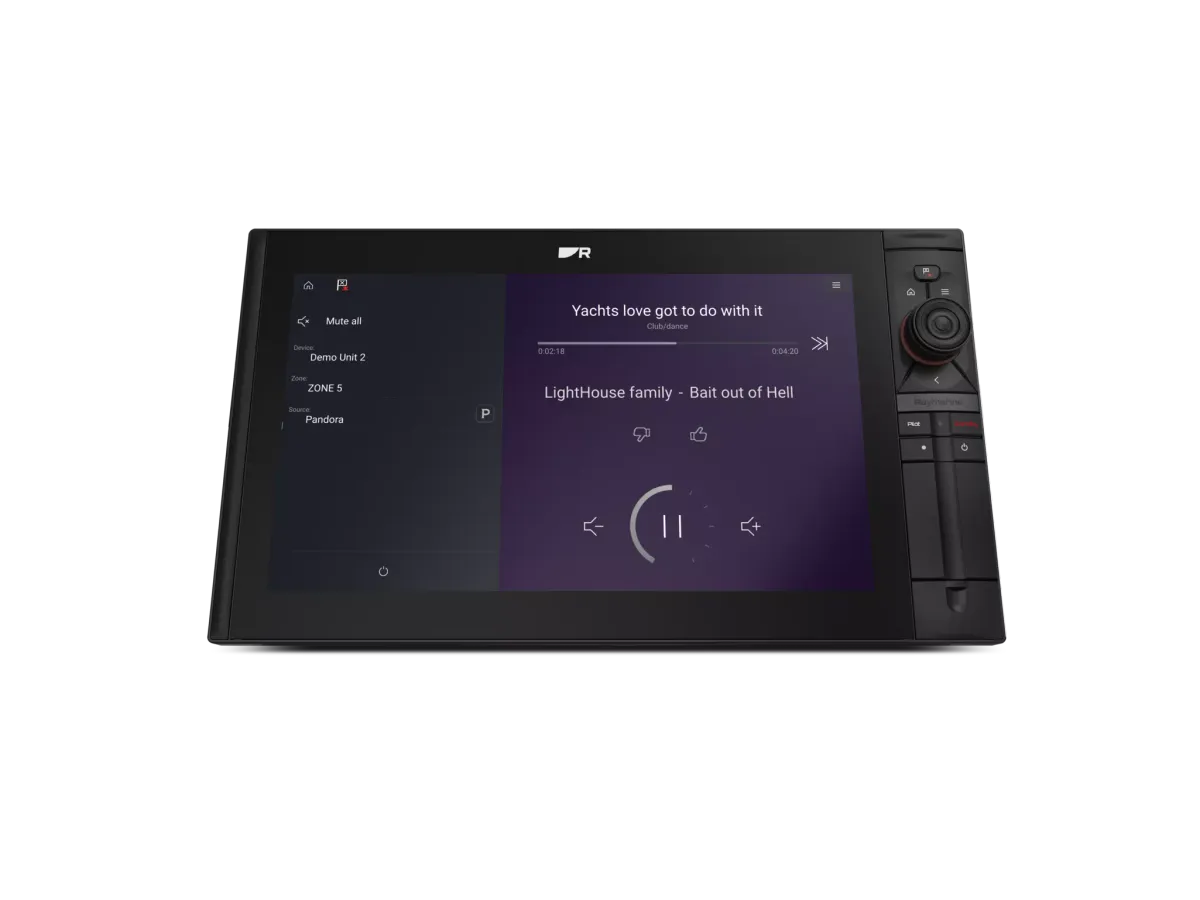
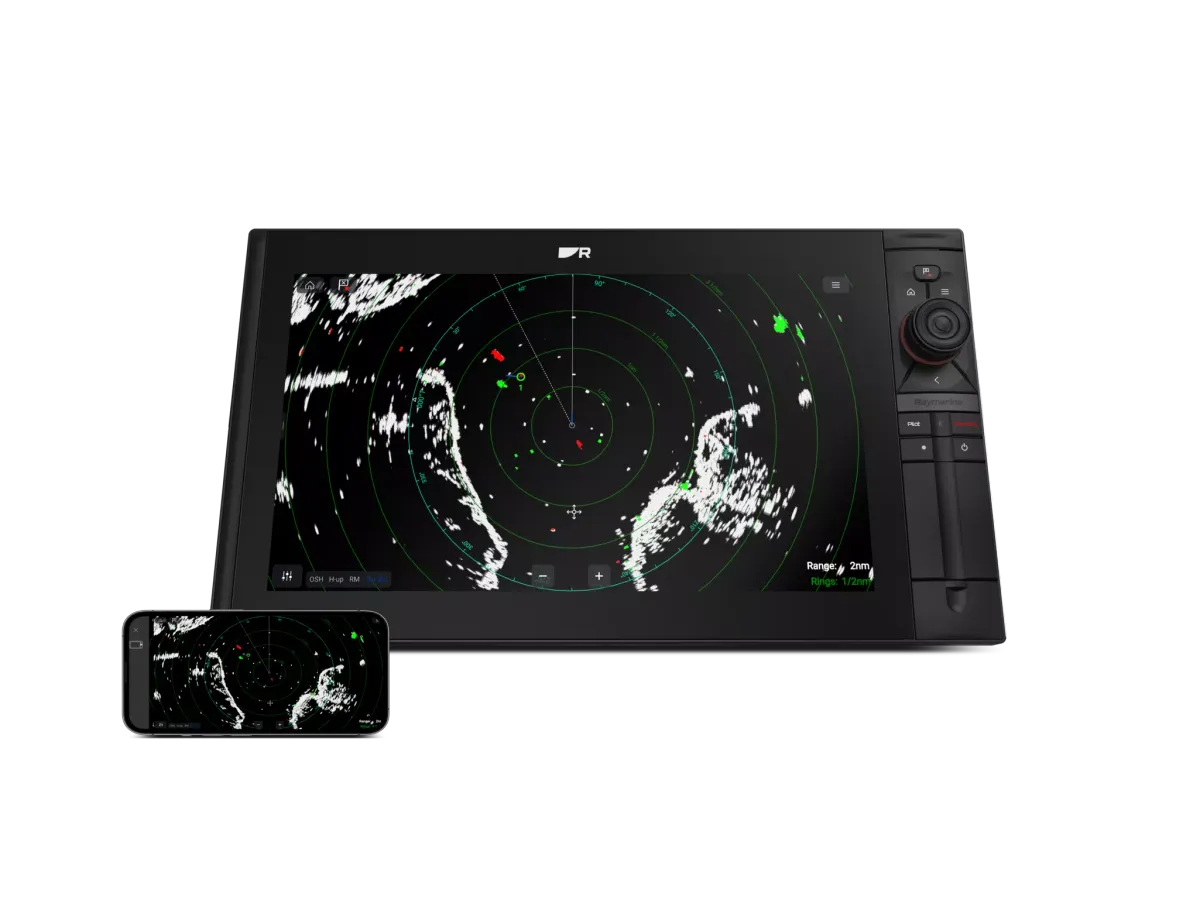
The Axiom family includes multifunction chartplotters with different controls and feature combinations. Axiom 2 Pro S is one example to explore when comparing the charting display at the centre of a system. Consider the screen’s location, the room available and how the crew will operate it.
Make room for the sailing information
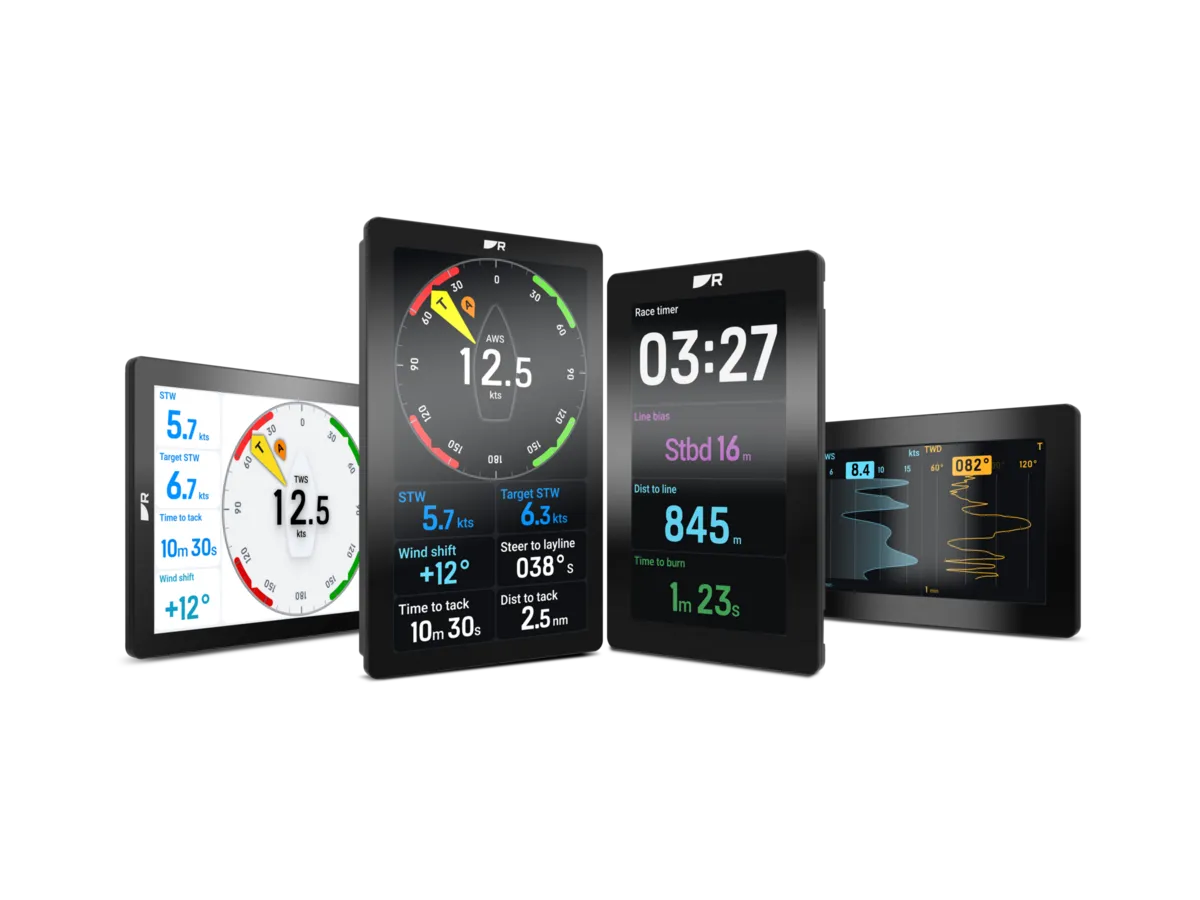
Raymarine’s i70s instrument can present digital, analogue and graphical views of connected data. It can be part of an existing instrument installation or a wider network of displays and sensors. Compatibility depends on the specific equipment and connections, so note the current models before choosing an upgrade.
Use the Australian channel
Raymarine publishes Australian product information and a sales and service dealer finder. A local enquiry can cover supply, system design and available installation support. Bring a list of the equipment already aboard and the additional information you want to see at the helm.
Is Raymarine a fit for your boat?
An older Raymarine installation may contain several generations of displays and network connections. Inventory exact model numbers before deciding which parts to retain. Ask the installer to state which functions survive the upgrade and which require interfaces, replacement sensors or different software.
Axiom and instrument displays solve different tasks aboard. Compare chart interaction, dedicated data visibility and controls from the actual helm position. Reviews of Axiom+ or earlier Axiom products are useful context but are not tests of every Axiom 2 model.
What to check with the supplier
- Existing model and network generation
- Retained radar, pilot and transducer functions
- Australian charts and software requirements
- Mounting, commissioning and handover
 Marine