Marine
A rope’s diameter is only one part of the specification.
Separate the jobs
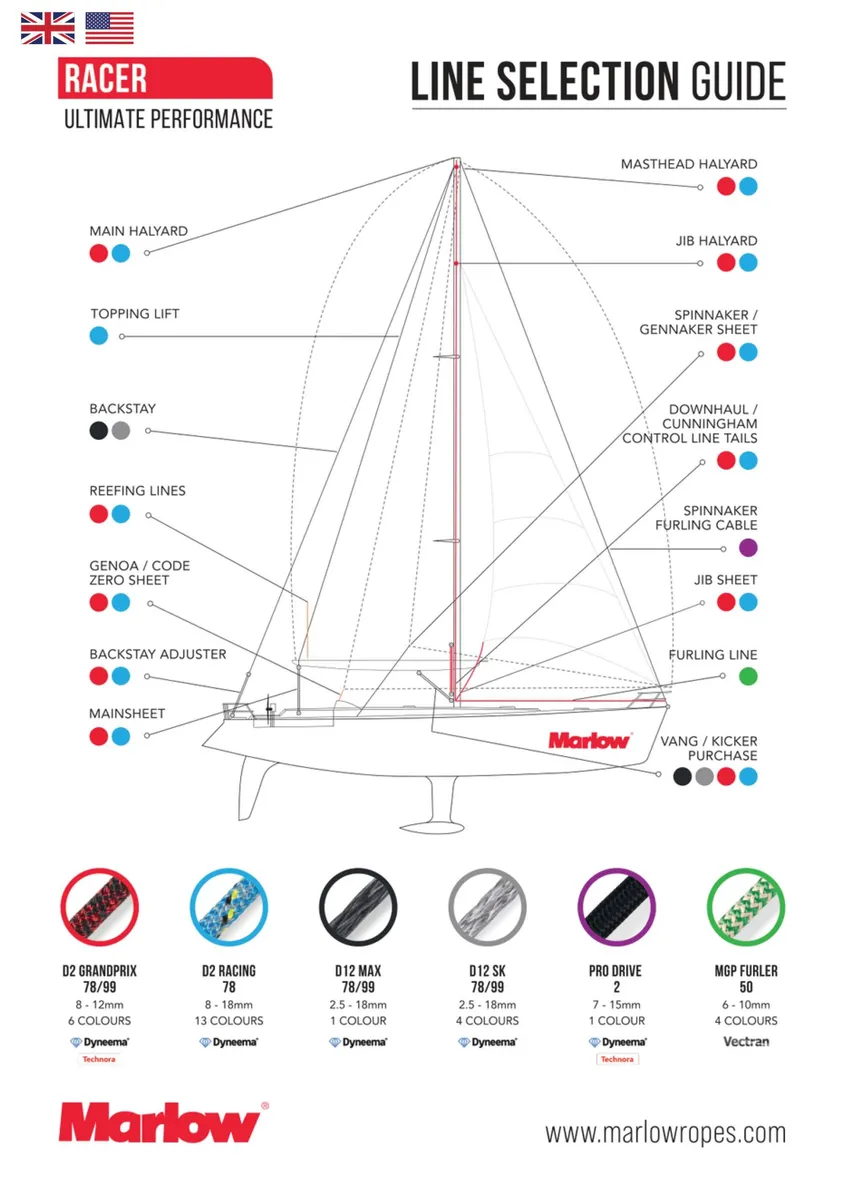
Make an inventory of the lines you want to replace and label each by function. A halyard, sheet and control line can place different demands on stretch, handling and durability. Marlow’s selection material organises ropes by application, which is a useful starting point for a discussion. Describe your boat and sailing programme rather than asking for a single rope to do everything.
Check the hardware path
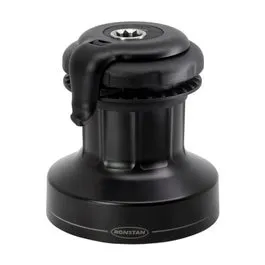
Record the blocks, clutches, sheaves and winches that each line passes through. Ask a rigger to confirm suitable construction and diameter for the complete path. A stronger-looking or thinner replacement is not automatically a better match for existing hardware. Include the required terminations and any splice in the specification rather than treating them as details to decide after purchase.
Order from an agreed line list
Record colour, finished length, construction and termination for each line. Have the supplier verify measurements and allowances for the actual installation. Ask how to identify wear and when the line should be assessed again. Keeping the final line list makes future replacements easier and helps the crew distinguish lines without relying only on their location.
Your planning checklist
- Inventory by function
- Hardware models and diameter ranges
- Verified finished lengths and terminations
- Colour plan and care guidance
Sources & further reading
Original MarineBrands buying and planning guidance, informed by these manufacturer and official references. Confirm current specifications for the exact model and Australian version.
This is an editorial guide. Linked brand advertorials are identified separately; no paid sponsorship or manufacturer approval of this guide is claimed.