Marine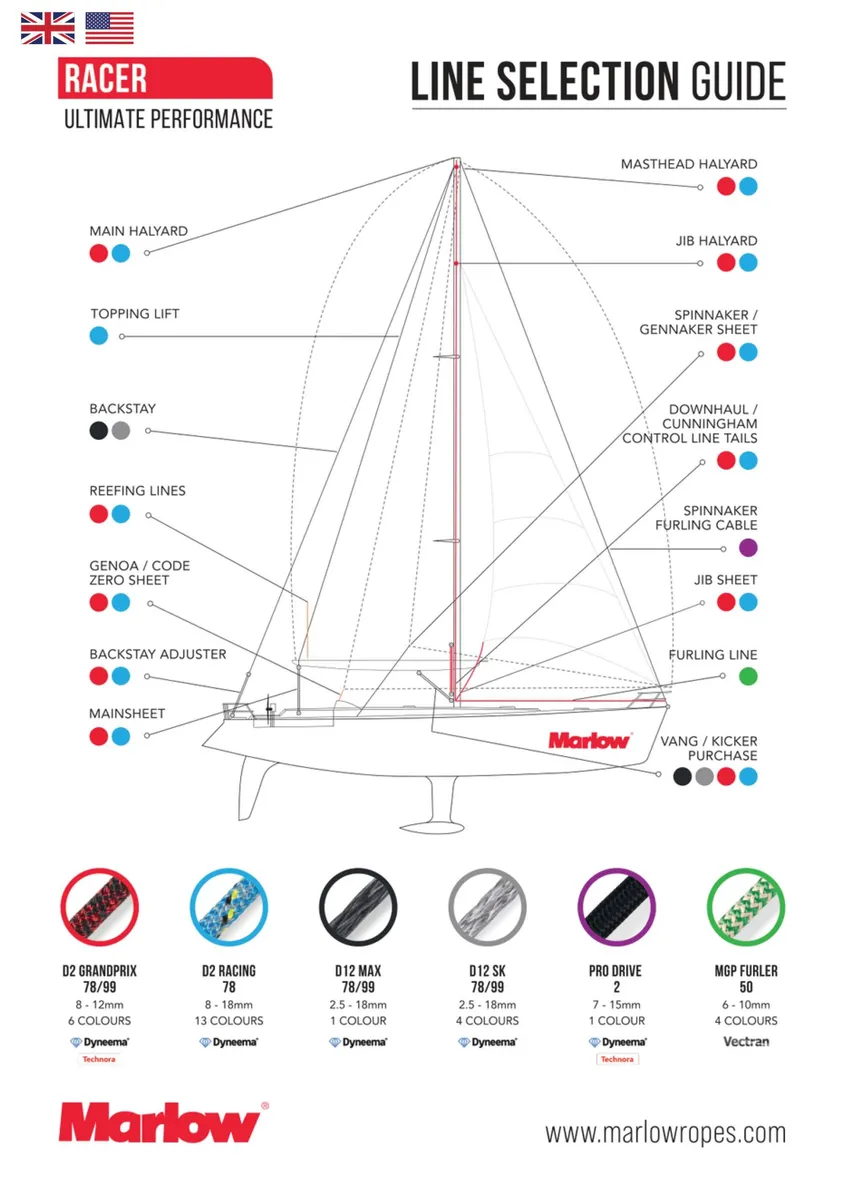
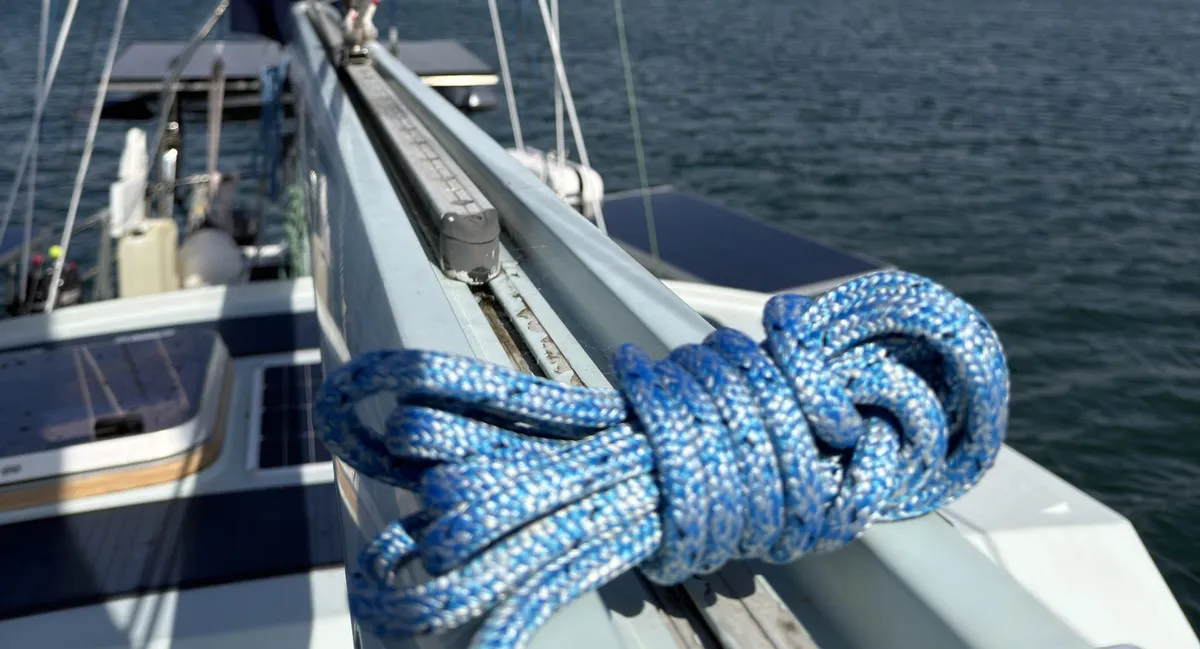
Specify the complete halyard assembly and its route through the boat.
Explain the reason for the upgrade
Tell the rigger whether the current problem is stretch, slipping, wear, handling or an unsuitable length. Share photographs of the line and the equipment it passes through. A more expensive rope may not address a worn clutch or a problem at a sheave. Start with an inspection and a clear description of what should improve.
Compare the construction in context
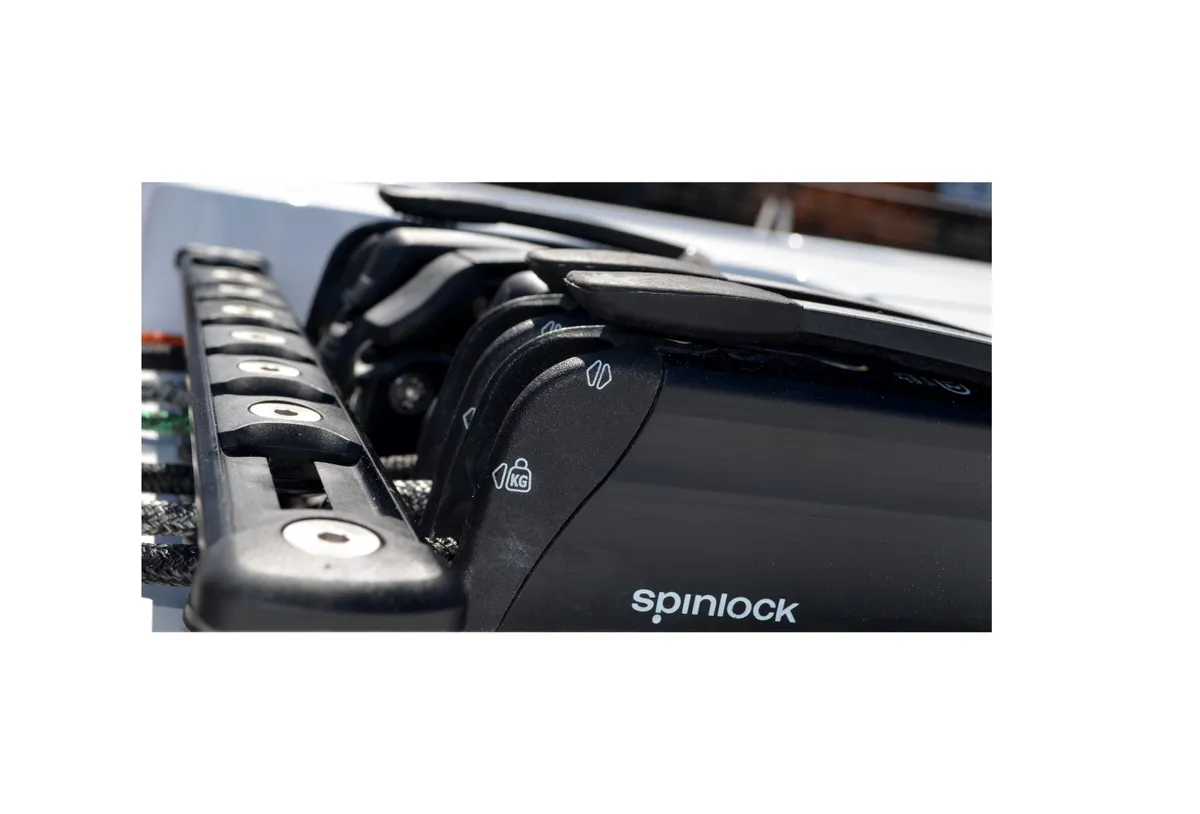
Ask the rope supplier to explain the proposed material and construction for your halyard application. Marlow’s leisure marine guide gives examples of ropes used for halyards and other running rigging. The right choice still depends on your installation. Confirm the relationship between rope diameter, the clutch’s approved range and the rest of the hardware, rather than comparing breaking-strength figures alone.
Agree installation and identification
Specify the finished length and the required termination with the rigger. Ask who will install the line and check its travel through the system. Keep the rope specification and any hardware changes together in the boat’s records. A simple label or colour plan can help the crew identify the correct halyard, but it should complement an organised layout and briefing.
Your planning checklist
- Describe the existing problem
- Confirm rope and clutch compatibility
- Agree finished length and termination
- Document installation and line identity
Sources & further reading
Original MarineBrands buying and planning guidance, informed by these manufacturer and official references. Confirm current specifications for the exact model and Australian version.
This is an editorial guide. Linked brand advertorials are identified separately; no paid sponsorship or manufacturer approval of this guide is claimed.