Marine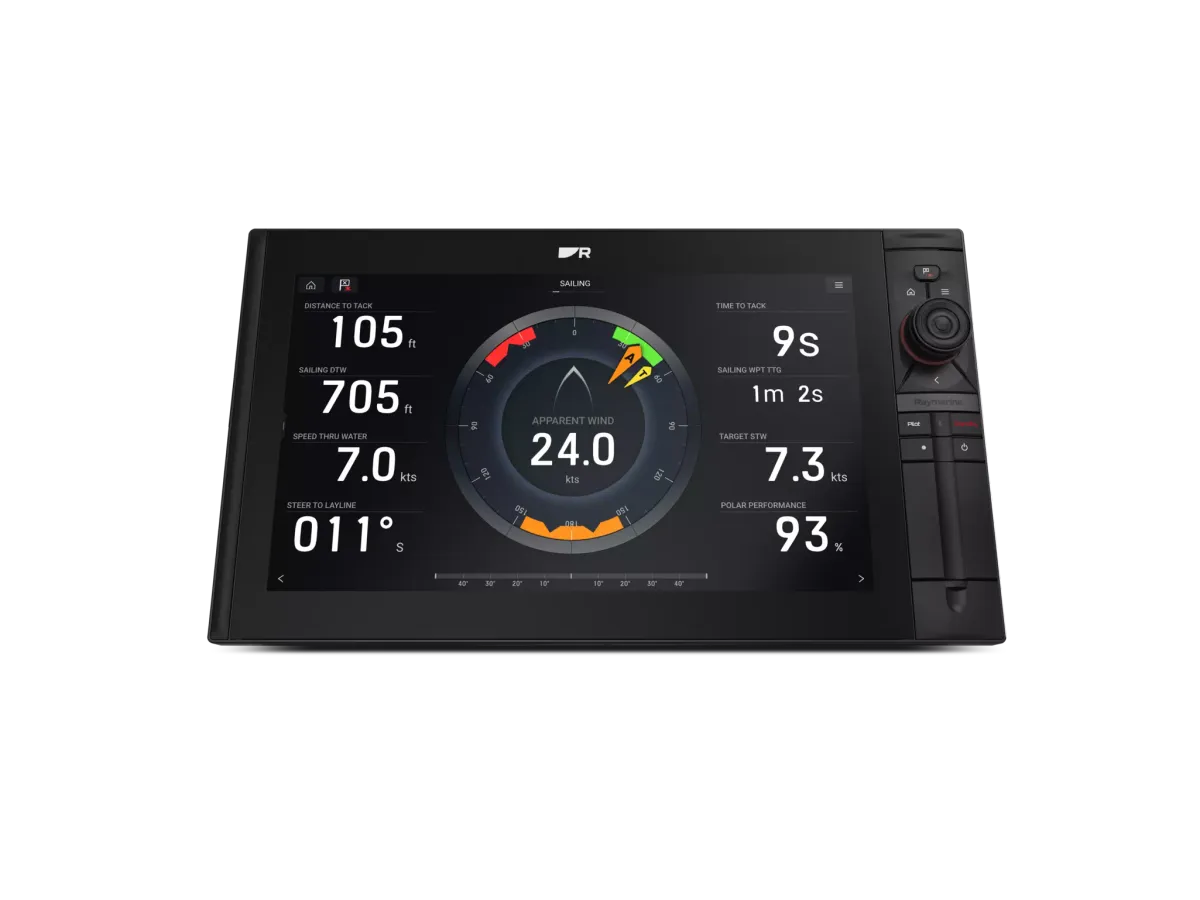
Buy a processor to answer specific sailing questions, with a plan for reliable inputs and calibration.
Name the decision you want better data to support
Start with the sailing task rather than the list of calculated values. Perhaps the crew wants consistent wind information at several positions, or a structured way to review performance. Write down who will use that information and what they would do differently with it.
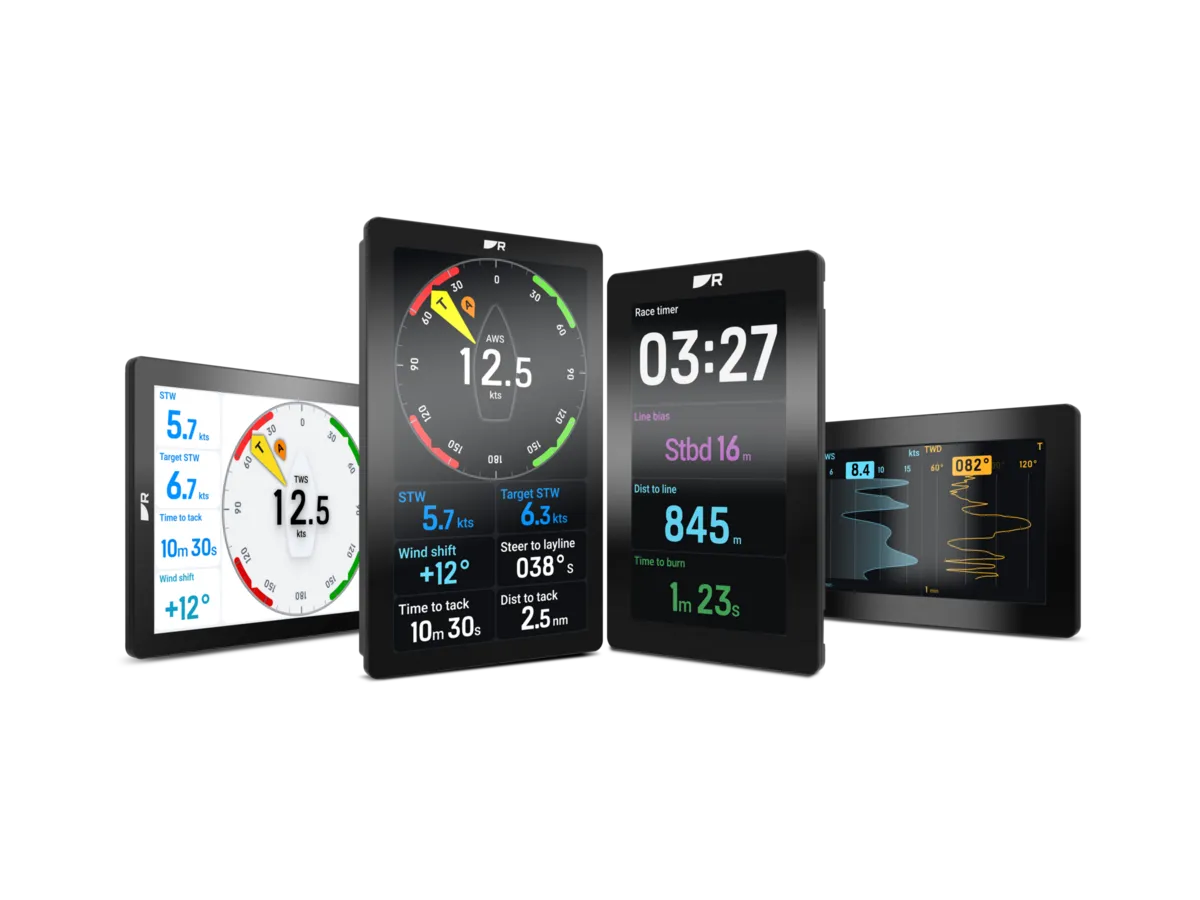
B&G presents Hercules as a sailing data processor with display integration. It is a product example, not evidence that every cruising boat needs a separate processor or that buying one automatically improves race results.
Audit the inputs before comparing the box
Record the installed sensors, their condition and the available network connections. Ask the specialist which inputs are required for the specific outputs on your wish list. If a measurement is unreliable, processing it differently is not a substitute for investigating the source.
Separate required sensor work from optional display upgrades. Have the quote explain retained equipment, interfaces and any software conditions. This makes a processor proposal comparable with improving the existing instrument system rather than assuming the two projects have identical scope.
Budget for learning and calibration
Ask who will configure the system and what the owner must learn to maintain useful settings. Include the practical time needed for demonstrations and any agreed work afloat. A short dockside introduction may not address the sailing tasks that motivated the purchase.
Choose a manageable first set of information pages. Record how to find raw measurements as well as calculated information, so the crew can describe an unexpected result clearly. Keep configuration records with the manufacturer documents supplied for the exact installation.
Compare complete outcomes
For an illustrative club racer, a sensor assessment and clearer displays may address the immediate problem. A crew building a more extensive performance programme may have a reason to consider a dedicated processor with specialist support. Ask each supplier to explain what their proposal adds to your stated programme.
Compare the full installed price, the handover and the support arrangement after the first few outings. Avoid judging value by the number of advertised data fields: unused outputs still require the underlying system to be understood and maintained.
Your planning checklist

Turn the lesson into a useful brief.
Tick what you have gathered. Add your boat details and questions, then save a copy to take to a supplier.
Notes stay in this page and are not submitted. Download before leaving; this page does not save them.
Buying questions, answered
Is a processor a replacement for wind and speed sensors?
No. Ask the supplier to identify the measurements needed for each proposed function.
Will it make the boat faster?
Equipment alone cannot promise that. Its value depends on reliable inputs, configuration and how the crew uses the information.
Sources & further reading
Original MarineBrands buying and planning guidance, informed by these manufacturer and official references. Confirm current specifications for the exact model and Australian version.
This is an editorial guide. Linked brand advertorials are identified separately; no paid sponsorship or manufacturer approval of this guide is claimed.