Marine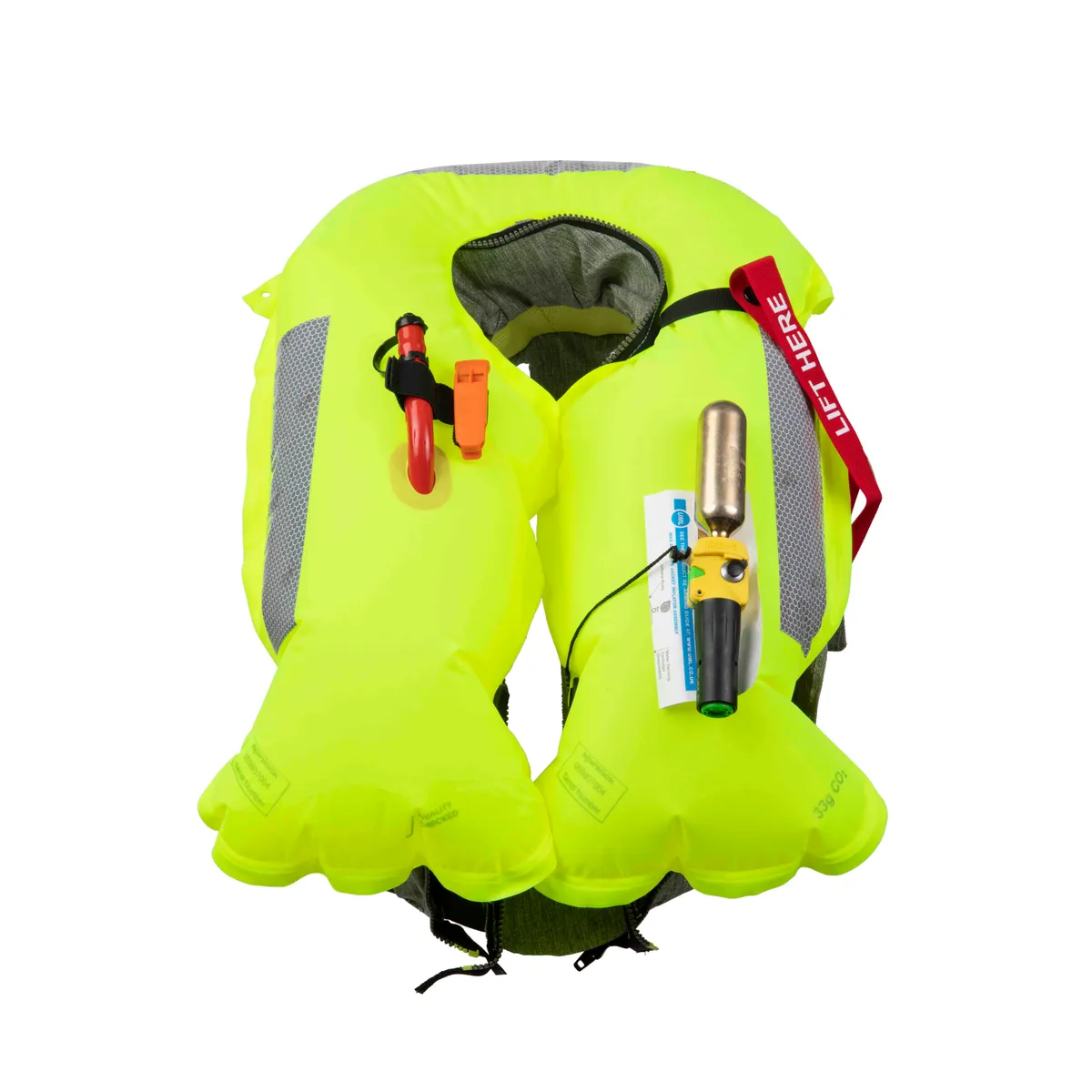
Begin with the applicable requirements and the condition of what is aboard. A shopping list follows that review; it does not replace it.
Record the boat and intended activity
Identify the vessel’s use, intended waters and the authority guidance relevant to the operation. Requirements can differ between situations, so avoid copying another boat’s equipment list without checking the basis for it. Plan a qualified review where you are unsure.
Write down who is expected aboard and what they need to understand about the equipment. Separate equipment carried for the vessel from items worn or carried by individuals. This helps organise the enquiry without claiming that the categories alone establish compliance.
Inventory before replacing
Record models, labels, service information and dates for the items already aboard. Mark missing records as unknown rather than assuming the previous owner kept everything current. Ask an appropriate supplier or service business to assess items whose condition or suitability is uncertain.
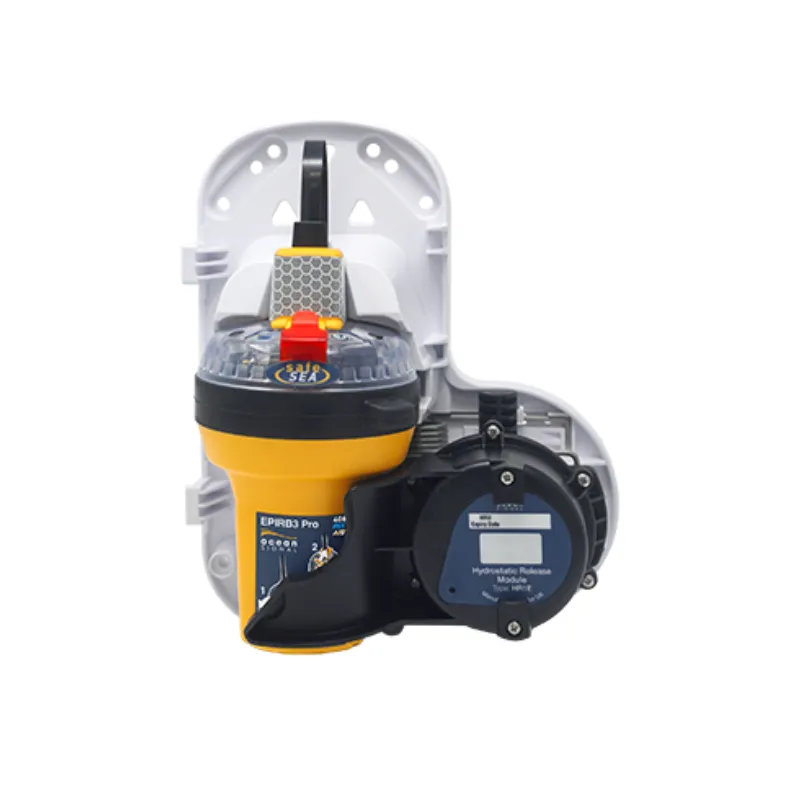
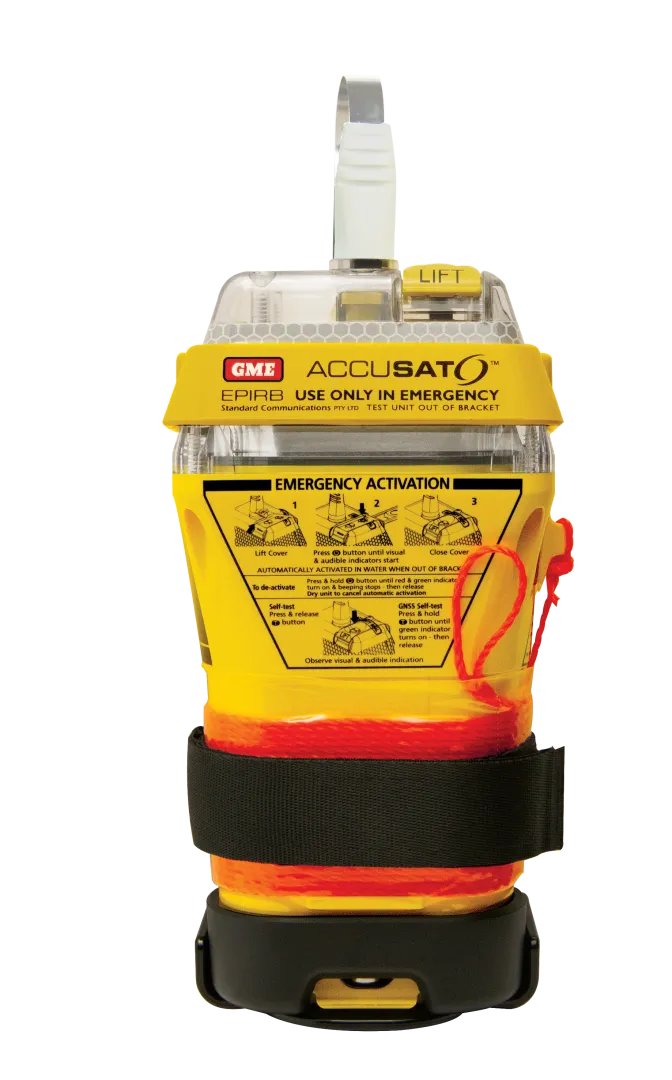
For distress beacons, consult AMSA’s current model and registration information. Its guidance distinguishes personal locator beacons from vessel EPIRBs. Do not treat the presence of one kind of beacon as evidence that every vessel requirement has been met.
Build the purchase list around verified gaps
Separate items needing assessment, items requiring purchase and improvements you may consider later. For each purchase, identify the exact model or specification confirmed for the intended use, plus any fitting or service requirements. Keep optional upgrades visibly separate from unresolved essentials.
Use the priority planner to record these decisions in your own words. It only organises the priorities you choose; it cannot determine whether an item is safe, serviceable or compliant. Leave an assessment task unresolved until an appropriate person has answered it.
Budget for preparation after delivery
Allow for fitting, registration, servicing and familiarisation where relevant. An unopened purchase does not complete the equipment plan. Agree who will check the final arrangement and explain the relevant instructions to the crew.
As an illustrative first-season plan, an owner might arrange a beacon-record review and lifejacket service assessment before ordering replacements. The resulting evidence can prevent unnecessary purchases while identifying gaps that need action. Keep the final records aboard and revisit them when the crew or sailing programme changes.
Your planning checklist

Turn the lesson into a useful brief.
Tick what you have gathered. Add your boat details and questions, then save a copy to take to a supplier.
Notes stay in this page and are not submitted. Download before leaving; this page does not save them.
Buying questions, answered
Can the planner certify my boat’s safety equipment?
No. It organises your own tasks. Use current authority guidance and appropriate professional assessment for requirements, condition and suitability.
Should everything on a used boat be replaced immediately?
Start with identification, records and condition assessment. Retain or replace based on the findings and the applicable requirements rather than age assumptions alone.
Sources & further reading
Original MarineBrands buying and planning guidance, informed by these manufacturer and official references. Confirm current specifications for the exact model and Australian version.
- AMSA · beacon types and models ↗
- AMSA · registering and updating beacon details ↗
- Transport for NSW · approved lifejackets (NSW guidance) ↗
This is an editorial guide. Linked brand advertorials are identified separately; no paid sponsorship or manufacturer approval of this guide is claimed. Safety requirements vary by jurisdiction, vessel and activity. Use the relevant authority and exact equipment instructions for your situation.