Marine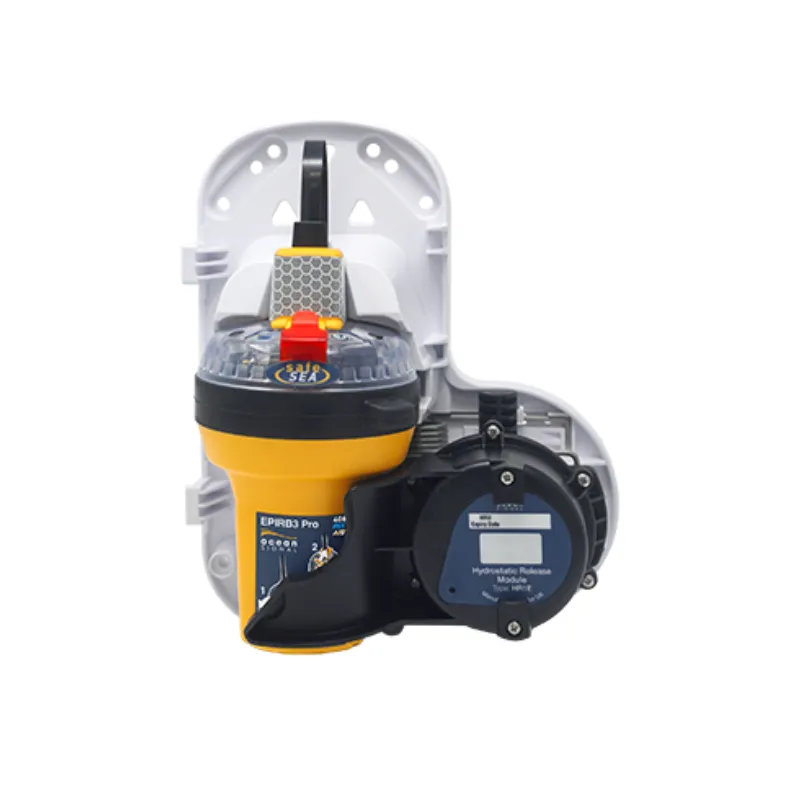
Confirm the carriage requirements first, then compare the approved beacon and mounting package together. A float-free housing is part of a specified system, not a generic accessory.
Establish the requirement before shopping
Identify the vessel’s use, operating area and relevant authority. Use current official carriage guidance to establish what is required for that situation. Requirements for one vessel or activity should not be copied into another owner’s shopping list.
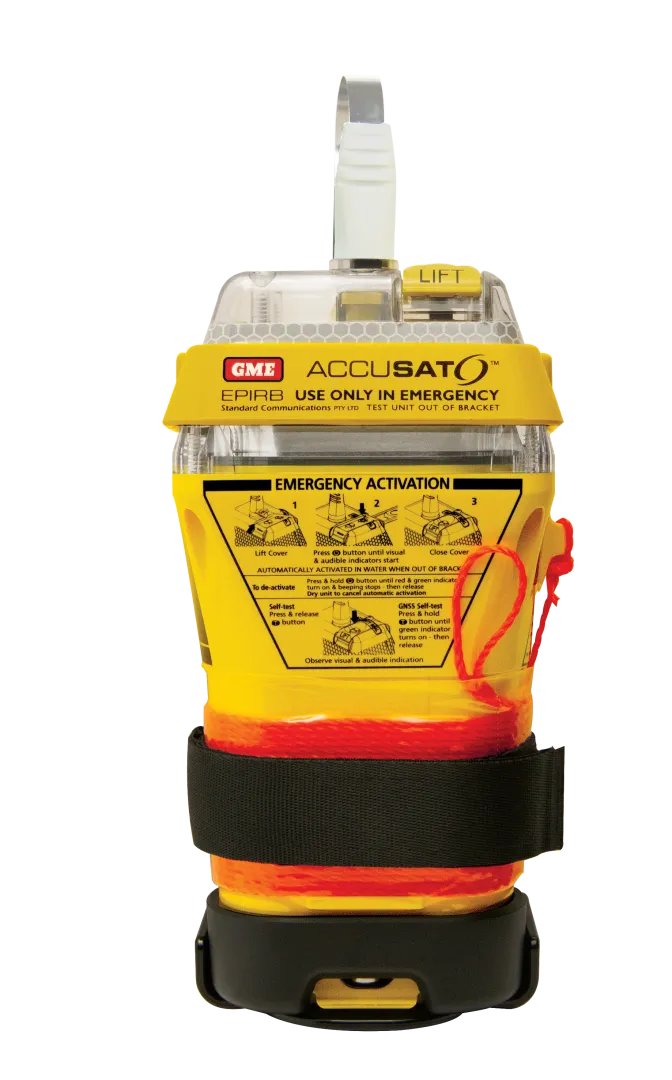
AMSA publishes Australian beacon information and model references. Its guidance also distinguishes PLBs from vessel EPIRBs; a personal beacon should not be assumed to replace a required EPIRB. Begin with the vessel requirement, then discuss any additional personal equipment separately.
Compare the beacon and housing together
A manually released arrangement relies on the user’s access to the beacon. A float-free package includes a specified release housing designed for automatic release under its intended conditions. Ask for the exact beacon, bracket and release-unit combination and its instructions.
Do not assume that a replacement housing converts any existing beacon into a float-free system. AMSA’s float-free guidance sets conditions for compatible arrangements. The supplier should identify the documented combination and the installation requirements that apply to it.
Include mounting and recurring care
Ask a competent installer to assess an appropriate mounting location under the manufacturer’s instructions. Consider access for routine inspection and the release arrangement. This purchasing guide intentionally does not provide mounting or activation steps.
Compare battery service information, release-unit replacement requirements and local service access. Record each relevant date for the supplied package rather than borrowing a service interval from a different model. These recurring responsibilities belong in the buying decision.
Finish with identity and registration
Confirm the Australian-market model and the information needed for registration. Keep the model, serial and beacon identifiers with the purchase records, and use AMSA’s registration process. If buying replacement equipment, address the old beacon’s registration and disposal through the applicable official guidance.
For an illustrative comparison, ask the supplier for a complete manual-bracket proposal and a float-free proposal only where both are permissible for the intended use. Compare installed scope and future care, not just the difference between the beacon prices.
Your planning checklist

Turn the lesson into a useful brief.
Tick what you have gathered. Add your boat details and questions, then save a copy to take to a supplier.
Notes stay in this page and are not submitted. Download before leaving; this page does not save them.
Buying questions, answered
Can any EPIRB be put in a float-free bracket?
Do not assume compatibility. Ask for a manufacturer-documented combination and use AMSA’s current float-free guidance.
Can I buy a cheaper overseas version?
Confirm Australian compliance and registration suitability before purchase. AMSA recommends buying EPIRBs in Australia to help ensure the appropriate model and registration arrangements.
Sources & further reading
Original MarineBrands buying and planning guidance, informed by these manufacturer and official references. Confirm current specifications for the exact model and Australian version.
- AMSA · beacon types and models ↗
- AMSA · float-free EPIRB combinations and care ↗
- AMSA · registering and updating beacon details ↗
This is an editorial guide. Linked brand advertorials are identified separately; no paid sponsorship or manufacturer approval of this guide is claimed. Safety requirements vary by jurisdiction, vessel and activity. Use the relevant authority and exact equipment instructions for your situation.