MarineBrandsDIRECTORY / 01AU Australia
Planning tools ↗
THE COMPLETE INTRODUCTION / 07

Safety gear

Understand equipment roles, applicable requirements and the work of staying prepared.

Start the tutorial ↓
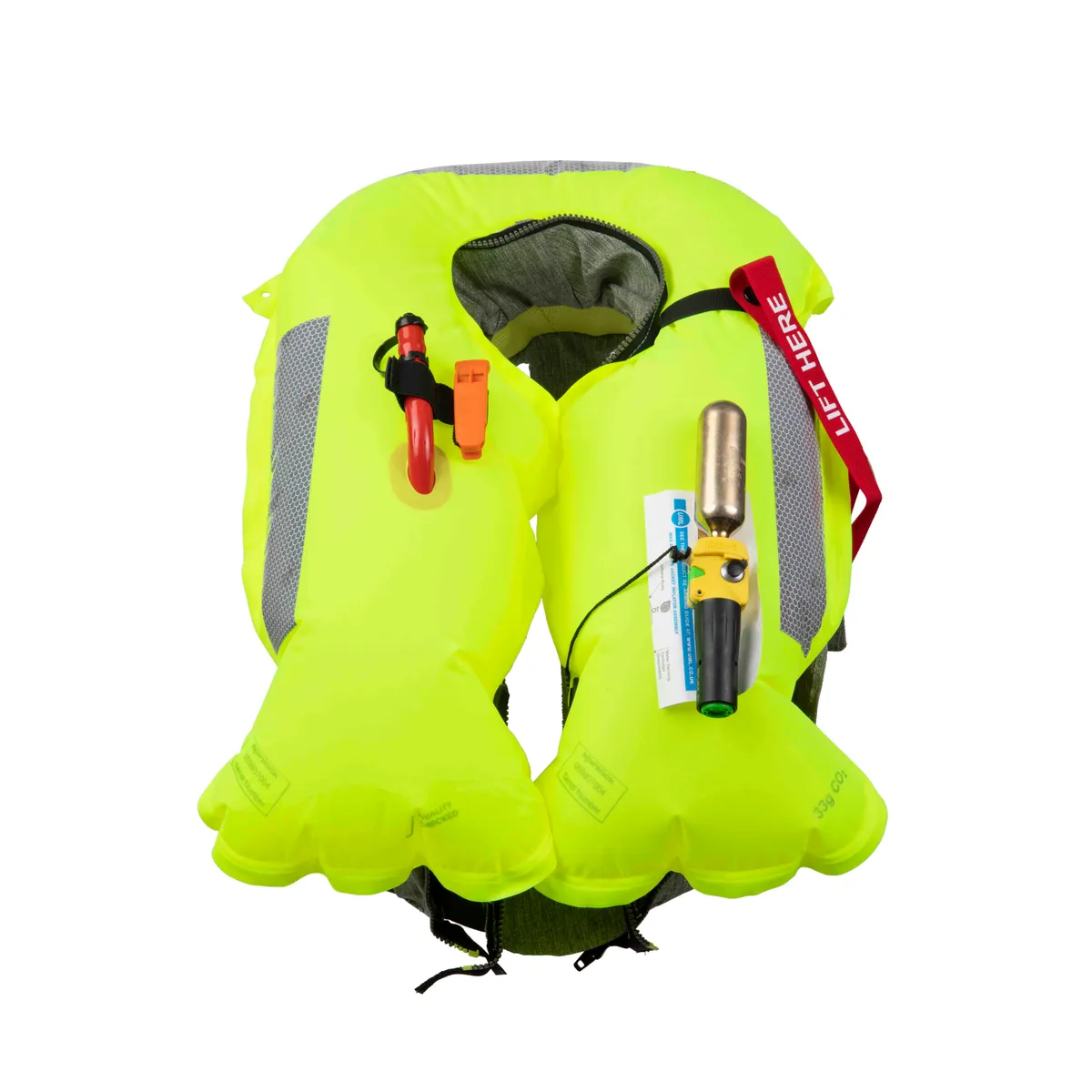
Inflated Spinlock Deckvest lifejacket for inspection
Image: Spinlock ↗

Where to start

Use these classifications to locate manufacturers and official product information. The selected model, intended activity and local support should guide the next conversation with a supplier.

MARINEBRANDS FIELD GUIDE4 MIN READ · 3 CHAPTERS

Understand it.
Choose with purpose.

Understand equipment roles, applicable requirements and the work of staying prepared.

CHAPTER 01

Separate the roles before comparing products

Safety equipment serves different purposes. Some items support personal flotation, some provide a means of attachment in an assessed arrangement, and others provide distress alerting. A product with one role should not be assumed to replace another. Write a separate line for each role in the boat’s equipment plan.

Begin with current requirements for the vessel, operating area and people aboard. Use the relevant authority and obtain competent advice where the scope is unclear. AMSA’s beacon information and state lifejacket guidance are reference points, but rules must be applied to the actual circumstances.

This tutorial helps organise the learning and purchasing process. It is not an emergency response manual, a complete compliance checklist or a substitute for practical safety training.

CHAPTER 02

Assess the person, product and installation together

For wearable equipment, identify the wearer, clothing and intended activity. Ask a competent supplier to demonstrate correct fit and approved accessories for the exact model. A favourable product review cannot establish that fit for a different person.

For beacons and other alerting devices, identify the exact functions and the records or receiving equipment relevant to them. AMSA distinguishes personal and vessel beacons and describes additional AIS capabilities on some models. Keep those roles explicit instead of reducing the decision to the smallest unit or longest feature list.

For harnesses and tethers, the boat-side arrangement also needs appropriate assessment. Do not improvise combinations, attachment points or operating procedures from a photograph or generic product description.

CHAPTER 03

Create an ownership routine, not just a shopping list

Record each item’s identity, assigned user or location, instructions and required inspection or service information. Use the exact manufacturer guidance and applicable requirements to establish the routine; there is no single service interval for every product.

Keep beacon registration and contact details current through the official process. Arrange familiarisation and appropriate training for regular crew before a trip. Use only approved self-test procedures for alerting equipment, never a live distress activation as practice.

Review the plan when crew, equipment or intended use changes. A useful safety purchase ends with appropriate equipment, clear records and people who have received suitable instruction. Those are ongoing responsibilities that deserve as much attention as selecting a brand.

MAKE THE DISTINCTIONS

Compare the approaches

Use these differences to frame a conversation. This is a comparison of project approaches, not a ranking of brands.

Safety gear: approaches and considerations
ApproachWhen to consider itWhat to resolve
Personal wearable equipmentAn individual with a defined activityConfirm suitability, fit and approved accessories.
Vessel alerting equipmentA boat with applicable requirementsCheck exact model, installation and records.
Personal alerting equipmentAn additional role for an individualKeep its function distinct from vessel requirements.
WORKED EXAMPLE · ILLUSTRATIVE SCENARIO

A family prepares a newly purchased yacht

The boat contains assorted jackets and beacons with incomplete records.

A considered approach

The owners identify each item, review applicable requirements and obtain advice on condition and fit. They replace or service equipment as appropriate and arrange crew familiarisation.

An organised assessment is more useful than assuming inherited equipment is ready.

AVOID THE FALSE STARTS

Two mistakes worth avoiding

01

Using a brand reputation as a compliance check

Requirements apply to exact equipment and circumstances.

02

Buying equipment without planning care

Records, service and familiarisation are part of ownership.

THE LANGUAGE, EXPLAINED

Know the terms

EPIRB
Emergency Position Indicating Radio Beacon.
PLB
Personal Locator Beacon.
Approved combination
Components confirmed suitable together for their intended use.

YouSail sailing mascot
YOUR NEXT STEP

Turn the lesson into a useful brief.

Tick what you have gathered. Add your boat details and questions, then save a copy to take to a supplier.

Information gathered for Safety gear
0 of 5 items gathered

Notes stay in this page and are not submitted. Download before leaving; this page does not save them.

Sources & further reading

Manufacturer and authority references for the concepts and product context discussed here. Examples and planning exercises are MarineBrands editorial; they do not imply brand endorsement or product testing.

How we research and present information →
READ BEFORE YOU CHOOSE

Practical guides to safety gear

Practical advice for choosing, upgrading and looking after your equipment.

All guides ↗
CLASSIFICATION

Continue with a specialist tutorial

Illustration of epirbs

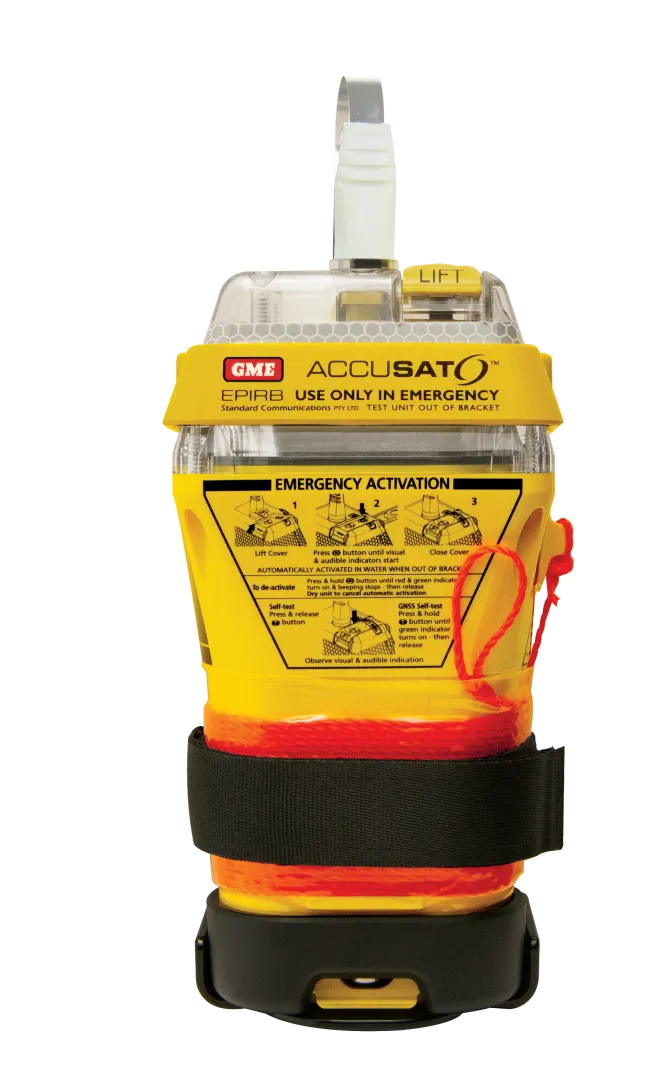
EPIRBs

Emergency position-indicating radio beacons.

An EPIRB enquiry should distinguish the vessel’s equipment requirements from personal emergency equipment. Use current official authority information and the manufacturer’s instructions for your situation. Record the intended mounting, registration and service arrangements as separate parts of the purchase.

Read the epirbs tutorial →
Illustration of personal locator beacons

Personal locator beacons

Personal emergency signalling beacons.

A personal locator beacon is an individual piece of emergency equipment. Compare the exact device’s functions, carrying arrangement and service requirements using official information. A buying guide or review does not establish that a specific unit is ready for use or fulfils a vessel requirement.

Read the personal locator beacons tutorial →
Illustration of ais distress devices

AIS distress devices

Devices with an AIS distress-location function.

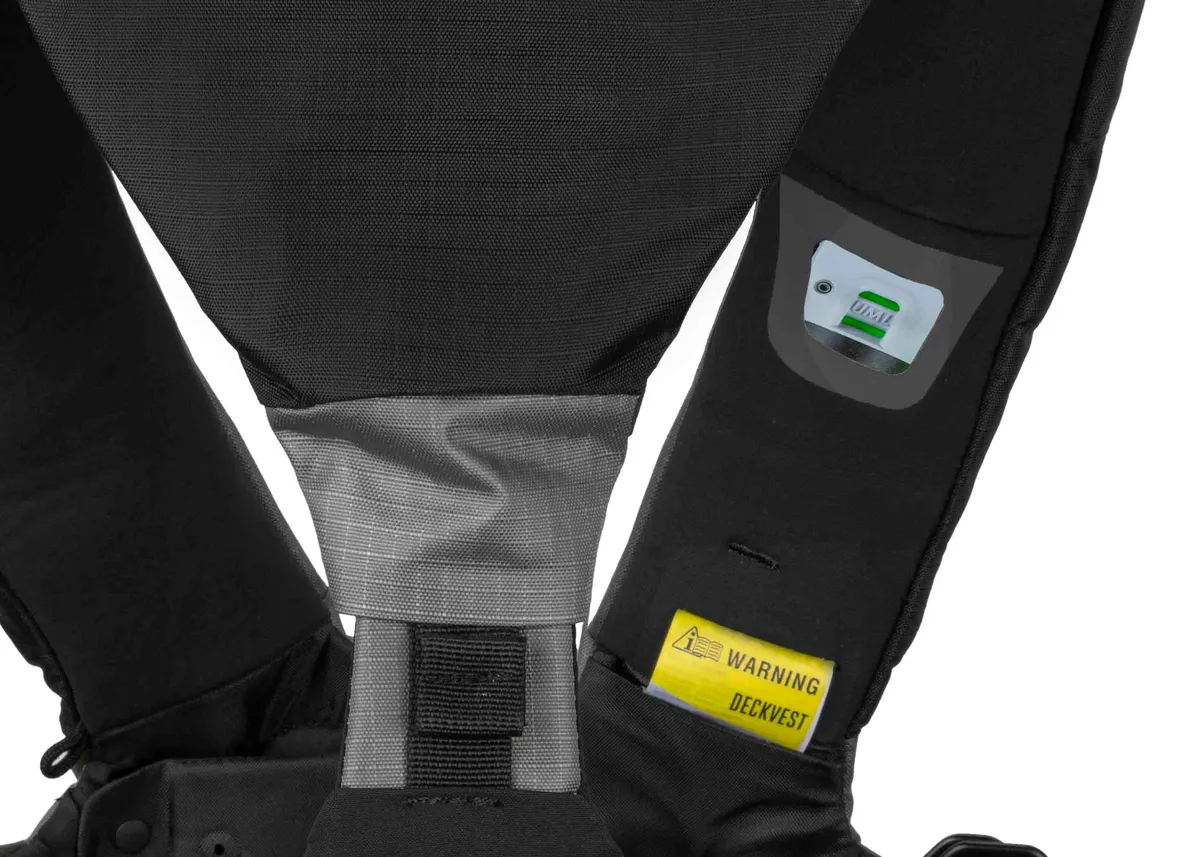
AIS distress functions appear in different equipment combinations. Identify the job the device is intended to perform and the other equipment involved. For wearable installations, check the exact lifejacket and device pairing and use the manufacturer’s approved instructions and support route.

Read the ais distress devices tutorial →
Illustration of lifejackets & flotation

Lifejackets & flotation

Personal flotation products.

A lifejacket needs to be considered with the person who will wear it, their clothing and the intended activity. Review the manufacturer’s fit and service information and current local requirements. Published tests can prompt useful questions, but they do not replace checking your own equipment.

Read the lifejackets & flotation tutorial →
Illustration of harnesses

Harnesses

Wearable equipment for connecting to a safety line.

A harness belongs in a wider discussion about the person, compatible equipment and boat layout. Ask an appropriate specialist to assess the proposed combination and use exact manufacturer instructions. Do not transfer assumptions from a different harness, lifejacket or attachment arrangement.

Read the harnesses tutorial →
Illustration of safety lines & tethers

Safety lines & tethers

Connections between a harness and an attachment point.

Safety lines and tethers are used with other equipment and attachment arrangements. Compare exact product instructions, compatibility and intended use with an appropriate specialist. A change to one component should be reviewed in the context of the complete arrangement and the crew using it.

Read the safety lines & tethers tutorial →
FROM PRINCIPLES TO PRODUCTS

See the thinking.
Meet the makers.

Explore named examples, then go deeper into the people, history and specialist work behind each brand.

Product images and references: the linked manufacturers. Examples illustrate the ranges; confirm the Australian specification and availability with the supplier.

THE BRANDS
Refine your search

Safety gear

3 brands · Australian market

A — Z
GME logo
Safety gear

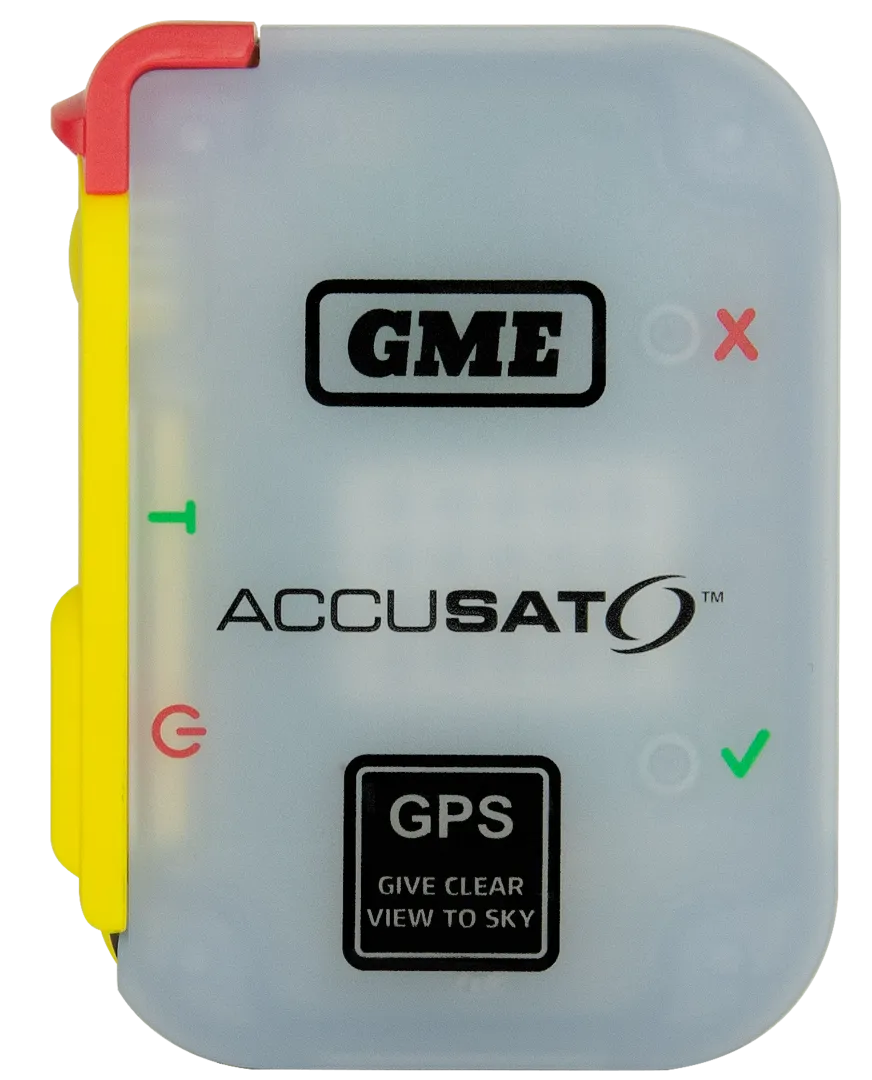
GME

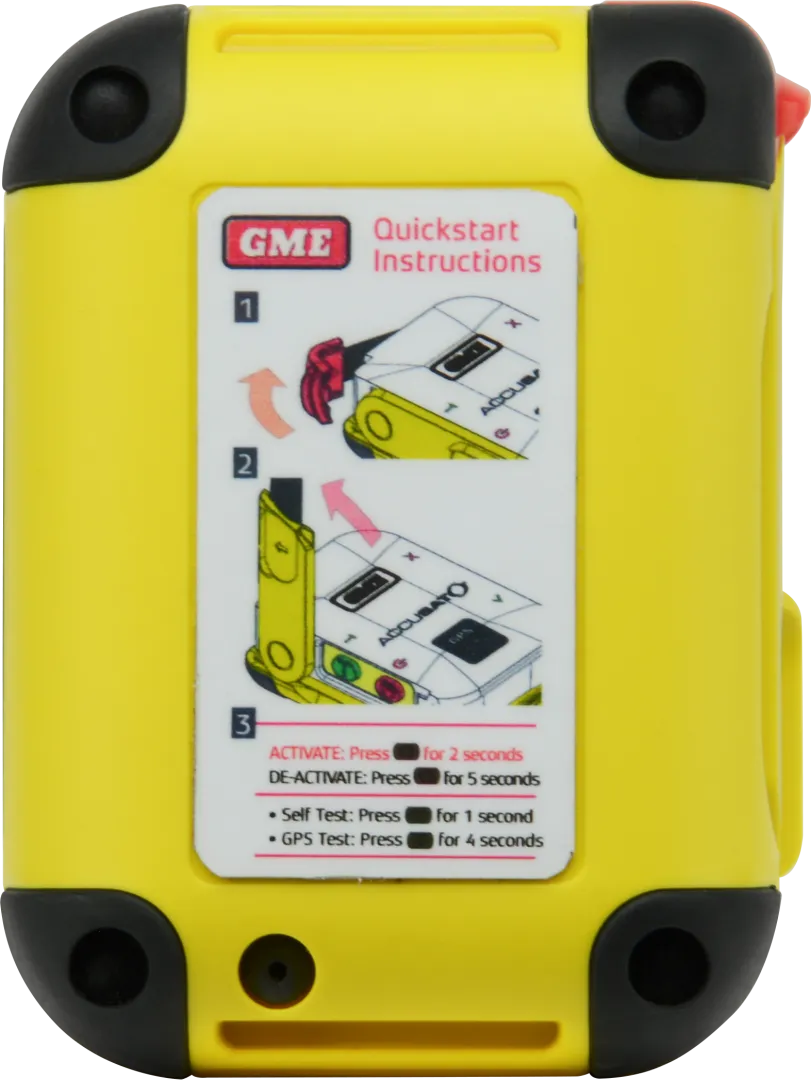
Emergency beacons and marine communications equipment.

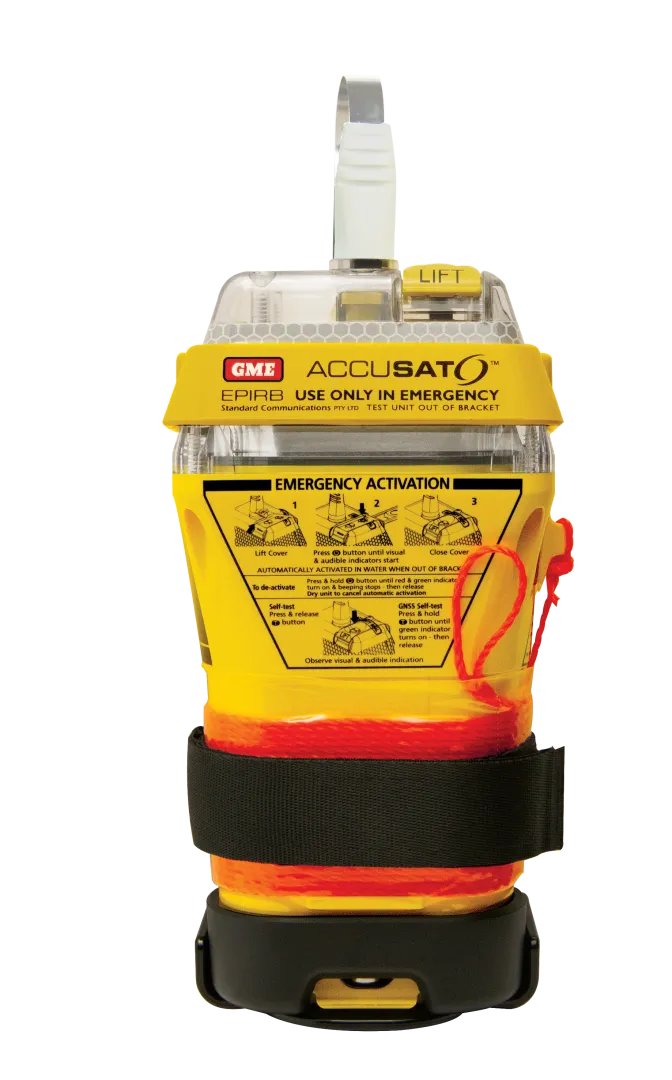
GX750BMT606GMT610G
Brand advertorialExplore brand
Ocean Signal logo
Safety gear

Ocean Signal

Personal locator beacons, EPIRBs and AIS distress equipment.

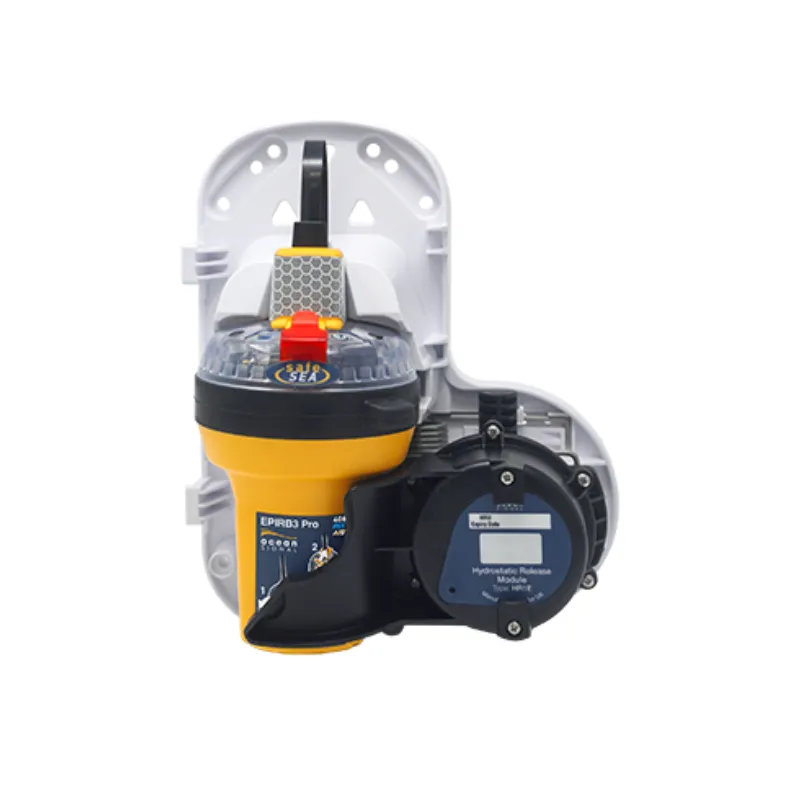
rescueME PLB3EPIRB3 Pro
Brand advertorialExplore brand
Spinlock logo
Safety gear

Spinlock

Lifejackets, safety lines and rope-control hardware for sailors.

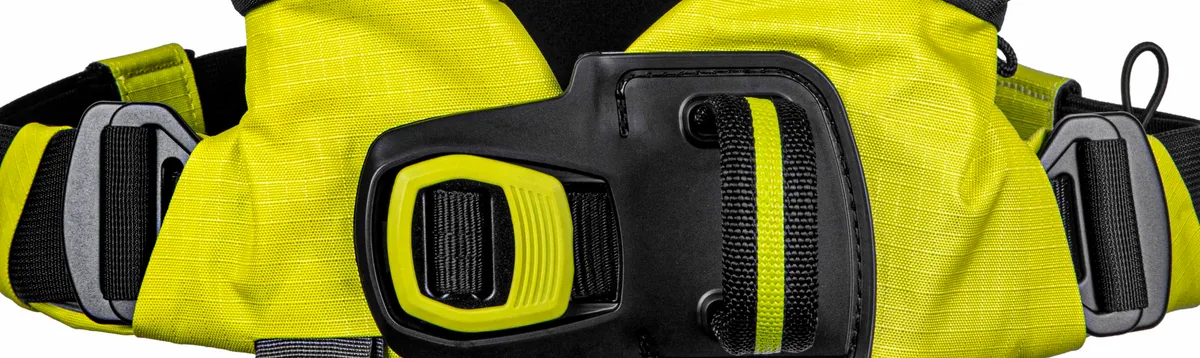
Deckvest 6DXXA / XXB Powerclutch
Brand advertorialExplore brand
Useful answers

Frequently asked questions

Does buying every product in this category make the boat compliant?

No. Establish the applicable requirements for the vessel and use, then select and maintain appropriate equipment with competent advice.

Can one service reminder cover everything?

No. Keep records for each item and follow its own instructions and applicable requirements.

Where should a new owner begin?

Identify inherited equipment and records, review the rules for the intended use, and have condition, fit and missing information assessed before relying on it.

Can a PLB replace the boat’s required EPIRB?

Do not assume it can. Personal and vessel equipment have distinct roles, and requirements depend on the vessel and jurisdiction. Consult AMSA and the relevant state authority for your situation.

Can I use the same service checklist for every lifejacket?

Use the exact model instructions and applicable local requirements. Inflation systems, approved parts and service routes differ. Ask the manufacturer or approved service provider when the condition or procedure is uncertain.

AUSTRALIA / LOCAL CONTEXT

Plan around your home waters.

Equipment briefs, service questions and official resources for Australian sailing regions. Confirm attendance with the provider.

All sailing regions →