 Marine
Understand it.
Choose with purpose.
Plan personal alerting around the person carrying the equipment.
Understand the personal role
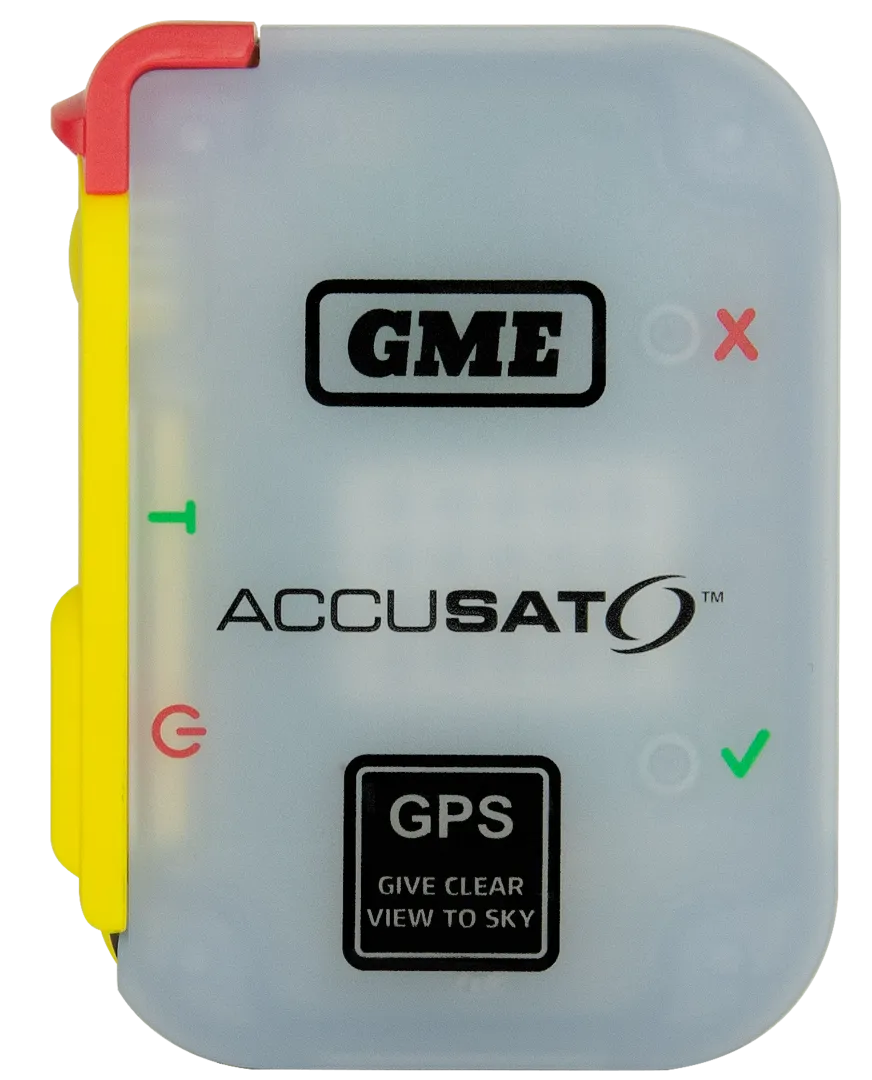
A personal locator beacon is intended to be carried by a person. AMSA distinguishes that role from vessel beacon requirements. Start by deciding who will carry it and in which activities, then check the official guidance relevant to those activities.
Do not assume a personal purchase completes the boat’s equipment requirements. Keep the personal and vessel checklists separate so the distinction remains visible when planning for crew and passages.
Assess carrying and access
Ask the supplier to demonstrate the exact model’s approved carrying arrangement and explain its limitations. Consider the clothing and other equipment normally worn, without improvising attachments that conflict with manufacturer instructions. Size matters in context: equipment must be carried in the intended way to serve its purpose.
Compare the instructions, service arrangements and included accessories as well as the device. A compact unit with unclear ownership or service records is not a complete purchase.
Make the records personal too
Keep the beacon identity, registration information and relevant dates with the owner’s equipment records. AMSA’s registration guidance is the authoritative starting point for Australian registration. Review details when circumstances change.
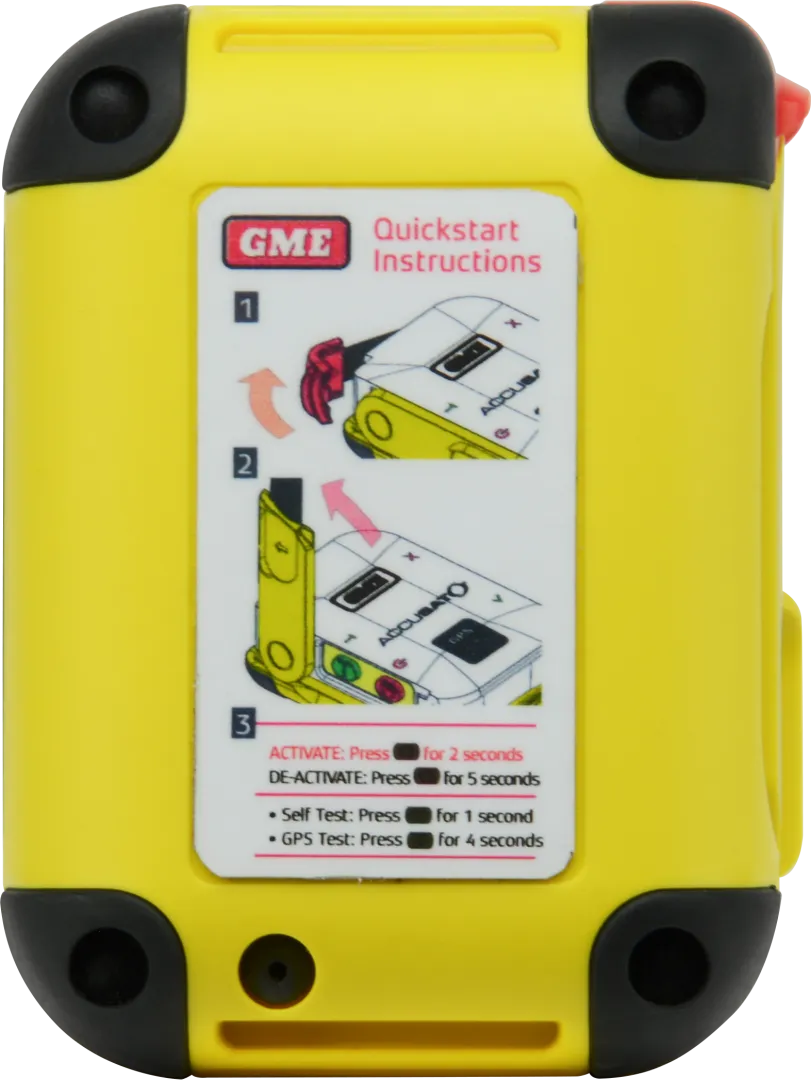
Familiarise yourself using the exact manual and approved self-test. Share the location of the instructions with regular crew. Never use live distress activation for practice, and do not assume instructions from another beacon apply to yours.
Compare the approaches
Use these differences to frame a conversation. This is a comparison of project approaches, not a ranking of brands.
| Approach | When to consider it | What to resolve |
|---|---|---|
| Personal boating equipment | A crew member carrying an appropriate beacon | Keep vessel requirements separate. |
| Multi-activity use | An owner with more than one intended activity | Check suitability and rules for each use. |
| Replacement of an older unit | A known owner updating personal equipment | Review records and disposal or service guidance. |
One device for several trips
A sailor also wants to carry a beacon during other outdoor activities.
A considered approach
Discuss every intended use with the supplier and review official guidance, carrying arrangements and registration details.
Portability is useful only when the equipment remains appropriate and correctly managed.
Two mistakes worth avoiding
Equating small size with complete suitability
Review the exact model’s carrying and use instructions.
Forgetting the owner record
Equipment identity and contact details need to stay current.
Know the terms
- PLB
- Personal Locator Beacon.
- Self-test
- The manufacturer-approved check, distinct from live distress activation.

Turn the lesson into a useful brief.
Tick what you have gathered. Add your boat details and questions, then save a copy to take to a supplier.
Notes stay in this page and are not submitted. Download before leaving; this page does not save them.
Sources & further reading
Manufacturer and authority references for the concepts and product context discussed here. Examples and planning exercises are MarineBrands editorial; they do not imply brand endorsement or product testing.
- AMSA · distress beacon information ↗
- AMSA · registering and updating beacon details ↗
- GME · MT610G instructions (PDF) ↗


 Instrument displays →
 Wind sensors →
 Sailing processors →
 Autopilots & controls →