Marine
Understand it.
Choose with purpose.
Understand the sail inventory, the design brief and the relationship with your loft.
Think in roles rather than individual purchases
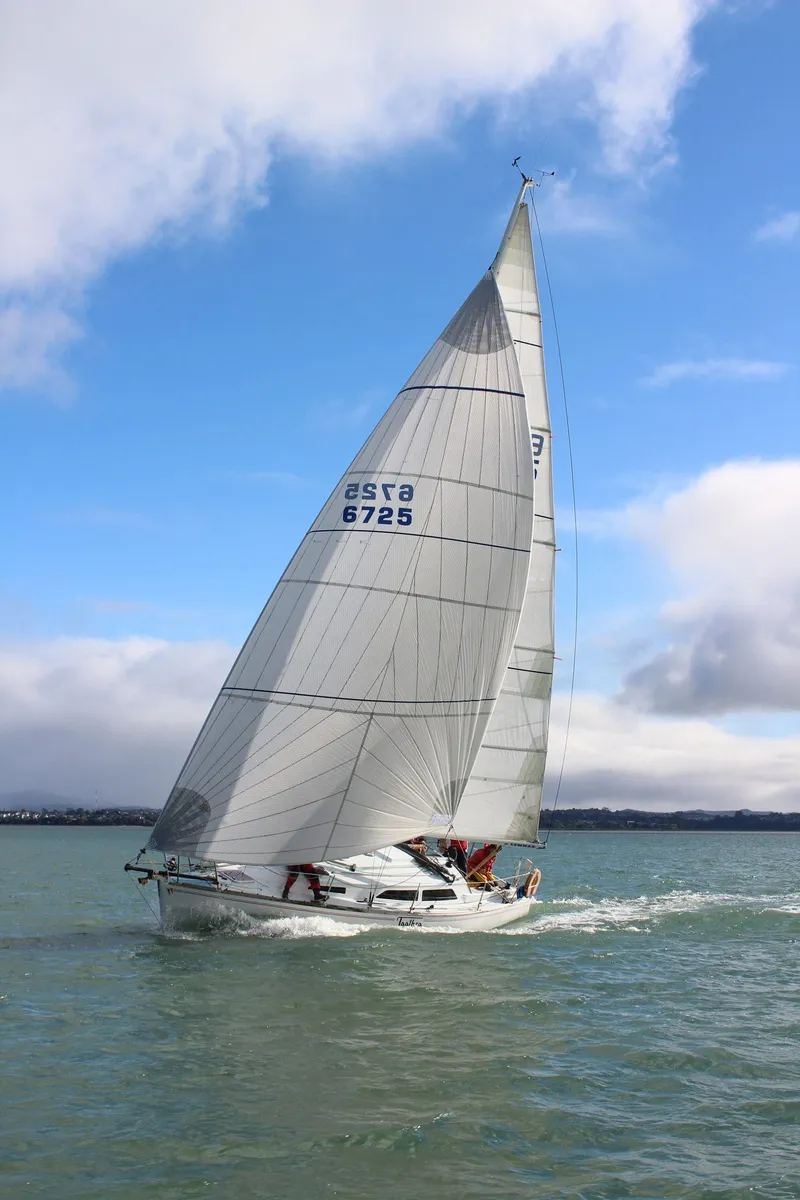
A sail inventory is a set of tools for the boat’s sailing programme. The mainsail, headsails and downwind sails have different roles, and their usefulness depends on how they work together. Begin by listing what is carried, its condition and the situations in which it is used.
Next describe a typical season: crew, trips, races, storage and the tasks that feel difficult. This gives a loft a realistic design brief. An ambition to cross an ocean can be included, but distinguish it from the sailing you will do next month.
The exercise often reveals a priority: a worn everyday sail, a handling problem or a genuine gap in the inventory. A clear priority makes it easier to compare proposals and to understand why a sailmaker recommends one project before another.
Learn what a sail quotation is really specifying
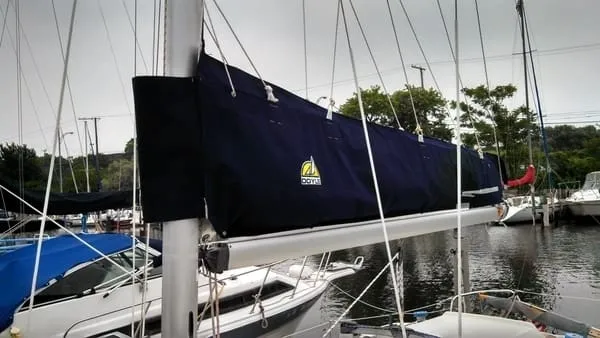
Construction, geometry, finishing and service are separate parts of the proposal. Ask the loft to explain each in relation to your brief. Doyle’s fabric information illustrates that materials are selected for different programmes; there is no useful universal ranking that removes the boat and crew from the decision.
Look beyond the cloth name. Record attachments, battens where relevant, reefing or furling details, protection, bags and other finishing. Confirm what is supplied and what is retained. A sail that depends on changes to handling equipment should have those dependencies made explicit.
Measurement is another important part of the service. Agree who verifies the actual rig, how fit questions are handled and what happens when the sail is delivered. Those responsibilities belong beside the price, not in an assumption after the order.
Build a working relationship after delivery
Ask for fitting and familiarisation appropriate to the sail and crew. Keep the final specification and relevant instructions. If the project includes a new handling arrangement, obtain boat-specific advice and training rather than copying another boat’s routine.
During early use, record observations in a form the loft can work with. Describe conditions and the handling issue clearly. The aim is useful feedback, not a verdict based on one unfamiliar outing.
Plan inspection and care according to the chosen sail’s guidance. A professional loft relationship can include repairs, advice and later inventory planning. That long-term support deserves to be visible in a brand directory, because it is part of what an owner is choosing.
Compare the approaches
Use these differences to frame a conversation. This is a comparison of project approaches, not a ranking of brands.
| Approach | When to consider it | What to resolve |
|---|---|---|
| Cruising inventory | Handling, longevity and a practical sailing programme | Explain crew and storage needs. |
| Racing inventory | Defined events and performance roles | Include rules, measurement and follow-up. |
| Mixed-use inventory | One boat serving several purposes | Ask the loft to explain compromises and priorities. |
One budget, several ageing sails
An owner has enough money for one major sail project and is unsure where to begin.
A considered approach
The loft reviews the programme and current inventory, identifies the most useful first change and explains how later replacements would fit around it.
An inventory plan gives each purchase a purpose.
Two mistakes worth avoiding
Comparing prices without matching specifications
Use the same headings for construction, finishing and service.
Treating a brand name as the design brief
Give the loft enough detail to do its design work well.
Know the terms
- Luff
- The leading edge of a sail.
- Leech
- The trailing edge of a sail.
- Inventory
- The group of sails carried for the sailing programme.

Turn the lesson into a useful brief.
Tick what you have gathered. Add your boat details and questions, then save a copy to take to a supplier.
Notes stay in this page and are not submitted. Download before leaving; this page does not save them.
Sources & further reading
Manufacturer and authority references for the concepts and product context discussed here. Examples and planning exercises are MarineBrands editorial; they do not imply brand endorsement or product testing.
- Doyle Sails · fabric technology ↗
- Doyle Sails · Australian and regional lofts ↗
- Doyle Sails · sail care and repair assessment ↗