Marine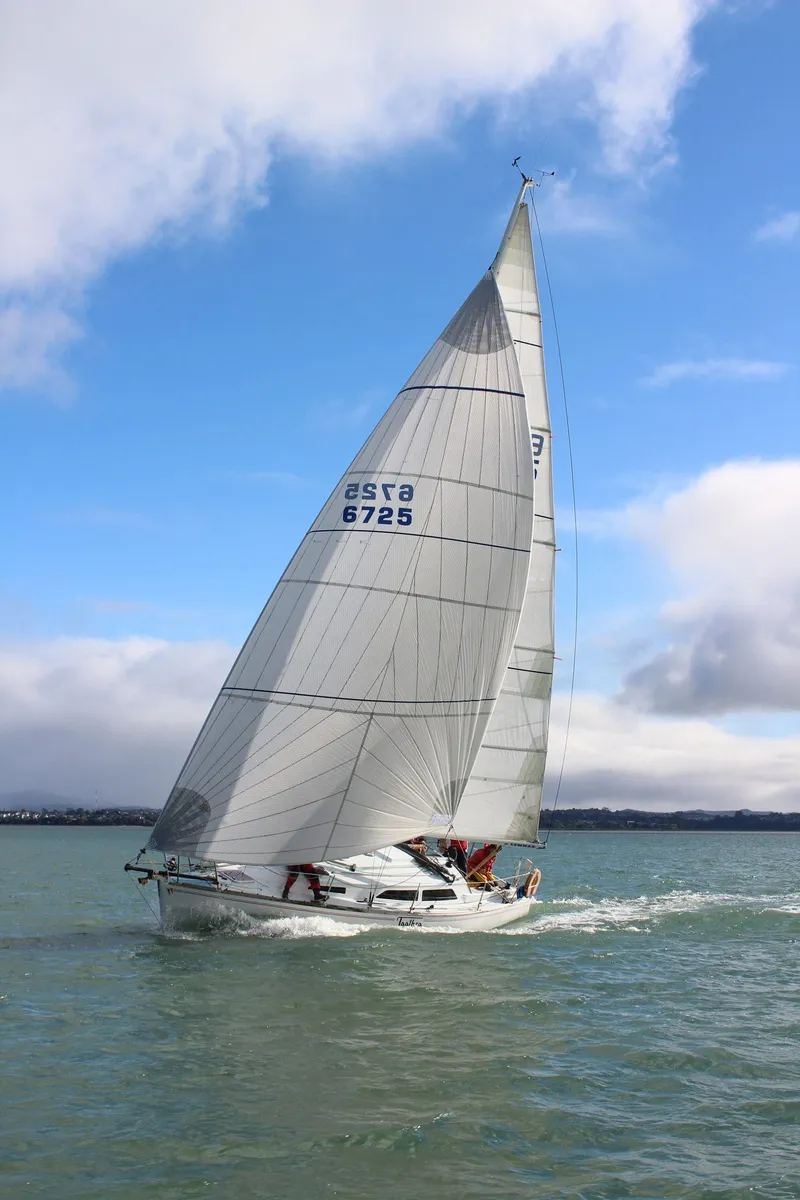
Choose the sail’s role first, then confirm the complete handling package with the loft.
Find the gap in your inventory
Describe the situation in which you want another sail to help: light-air reaching, downwind cruising or a particular race programme. Provide the existing inventory and the crew available to handle it. Names such as code sail and asymmetric describe broad families, while the actual design is tailored to a use. Ask the loft to explain where its proposal fits and where another sail remains appropriate.
Look beyond the sailcloth
Discuss attachment points, furling equipment where applicable, sheets, storage and the space available on deck. Ask who checks that the boat’s hardware suits the proposed package. The convenience of a sail in a photograph does not tell you what equipment or crew routine made it possible. Include a handling demonstration or coaching session in the conversation.
Understand specialist construction claims
Doyle’s Cableless technology is an example of a specific approach to sail structure and handling. It should be assessed with the loft against the boat and intended programme, rather than assumed suitable for every installation. Ask for an itemised proposal and clear operating guidance for the supplied sail. Keep the construction description separate from claims about the complete boat’s performance.
Your planning checklist
- Define the missing role in your inventory
- List crew and handling priorities
- Confirm attachment and furling requirements
- Request a demonstration and operating guidance
Sources & further reading
Original MarineBrands buying and planning guidance, informed by these manufacturer and official references. Confirm current specifications for the exact model and Australian version.
This is an editorial guide. Linked brand advertorials are identified separately; no paid sponsorship or manufacturer approval of this guide is claimed.