Marine
Decide whether the requirement is receiving AIS information or also transmitting your boat’s information, then price the complete installation.
Separate receiving from transmitting
An AIS receiver supplies information from broadcasts it receives. A transceiver also transmits the vessel information it is configured to send. Raymarine’s AIS700 is a named example of a Class B transceiver. This distinction matters more than whether a listing simply says the product has AIS.
Write the required function into the enquiry and ask the supplier to identify the exact model. Neither option guarantees that all nearby craft will appear, and transmitting does not guarantee that another person will see or respond to your vessel.
Trace the information to a usable display
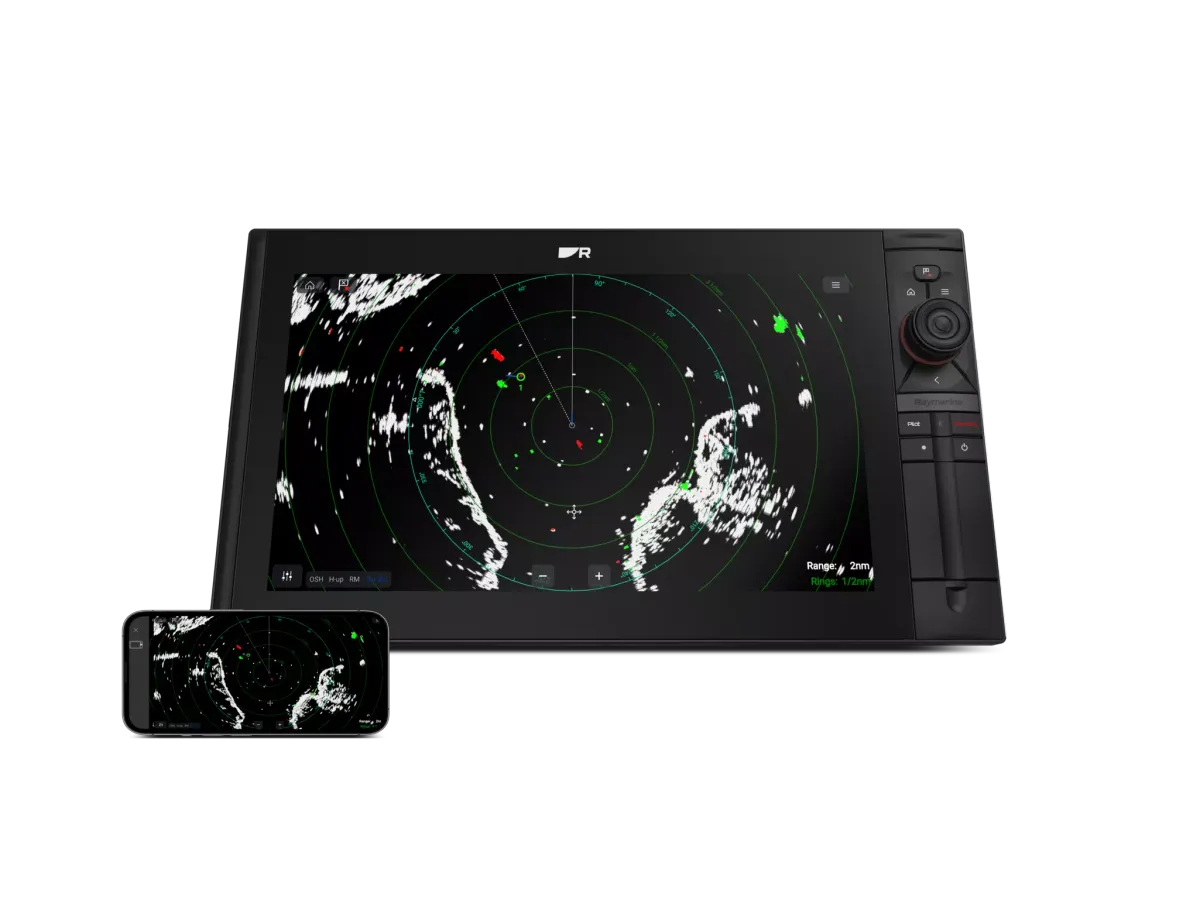
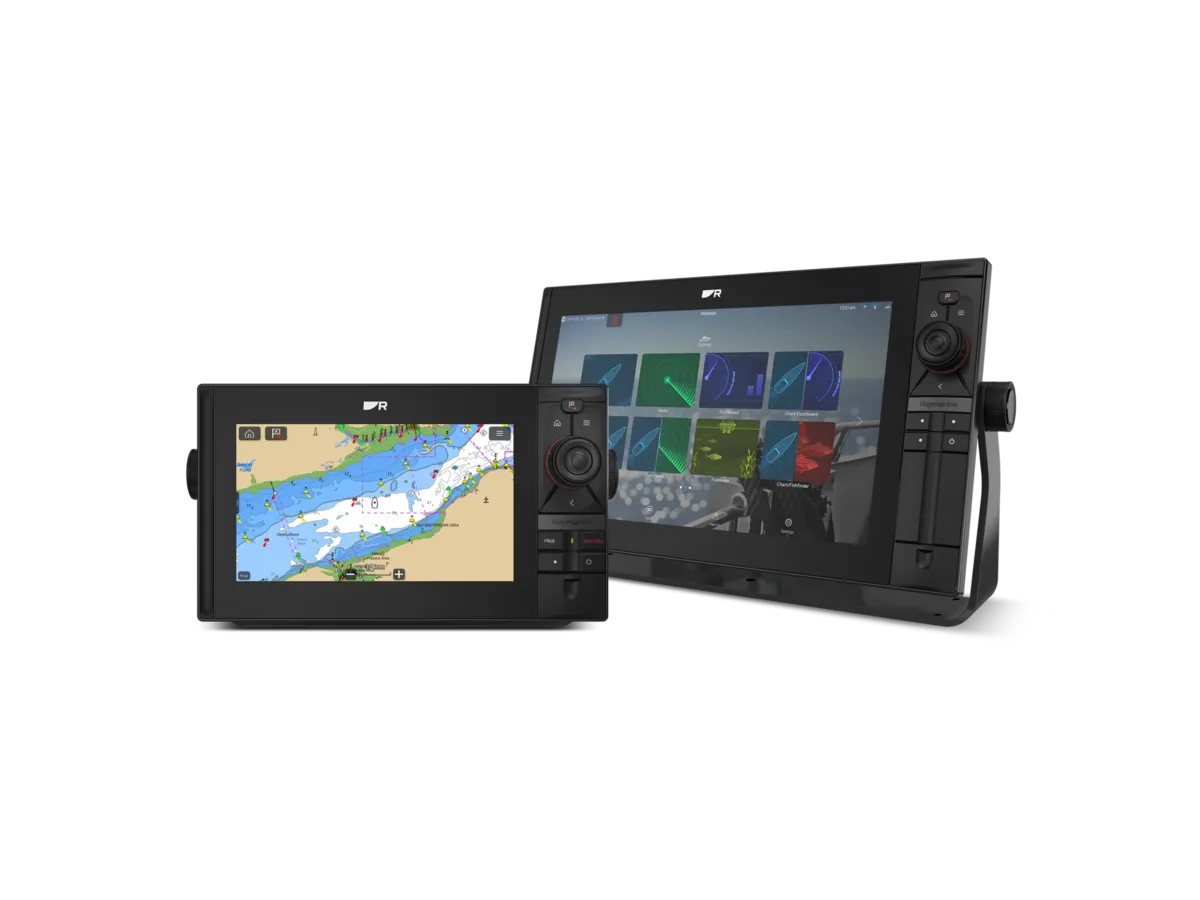
Record the chartplotter or other device that will show received targets. Ask the installer to confirm the connection and supported presentation for that model and software. An AIS unit and a display should be assessed as a combination, including the cables or interfaces required.
Request a demonstration of the relevant screens and controls during handover. Being able to receive data somewhere on a network is different from having a crew who can find, interpret and manage it on their normal navigation display.
Compare antenna and installation scope
Ask the installer to explain the proposed antenna arrangement using the exact product documentation. The AIS700 includes an antenna splitter, but that feature should not be assumed for every AIS product. The complete proposal should identify all required antennas, leads, connections and mounting work.
Include configuration and model-specific commissioning in the quote. Ask which vessel identity details or administrative steps are needed and who handles them. Do not copy configuration from another boat or treat a used unit as ready to install without checking its identity information.
Choose by function and support
For an illustrative owner, a receive-only proposal may address a specific display requirement while a transceiver proposal adds a different capability and installation scope. Compare those outcomes explicitly. Ask about diagnostics, software information and the support contact for the finished installation.
Keep the manuals and configuration record aboard, and agree how the crew will learn the system’s limitations. AIS is one source of information within navigation and lookout practices. A purchase decision should not be presented as proof that collision risk has been eliminated or that every surrounding vessel is represented.
Your planning checklist

Turn the lesson into a useful brief.
Tick what you have gathered. Add your boat details and questions, then save a copy to take to a supplier.
Notes stay in this page and are not submitted. Download before leaving; this page does not save them.
Buying questions, answered
Does an AIS receiver transmit my position?
A receive-only unit does not. Confirm whether the actual product is a receiver or a transceiver.
Is vessel AIS the same as an AIS man-overboard beacon?
No. They serve different purposes. Select and assess personal distress equipment separately from a vessel AIS installation.
Sources & further reading
Original MarineBrands buying and planning guidance, informed by these manufacturer and official references. Confirm current specifications for the exact model and Australian version.
- Raymarine Australia · AIS700 Class B transceiver ↗
- Raymarine · model-specific manuals and installation documents ↗
This is an editorial guide. Linked brand advertorials are identified separately; no paid sponsorship or manufacturer approval of this guide is claimed.