Marine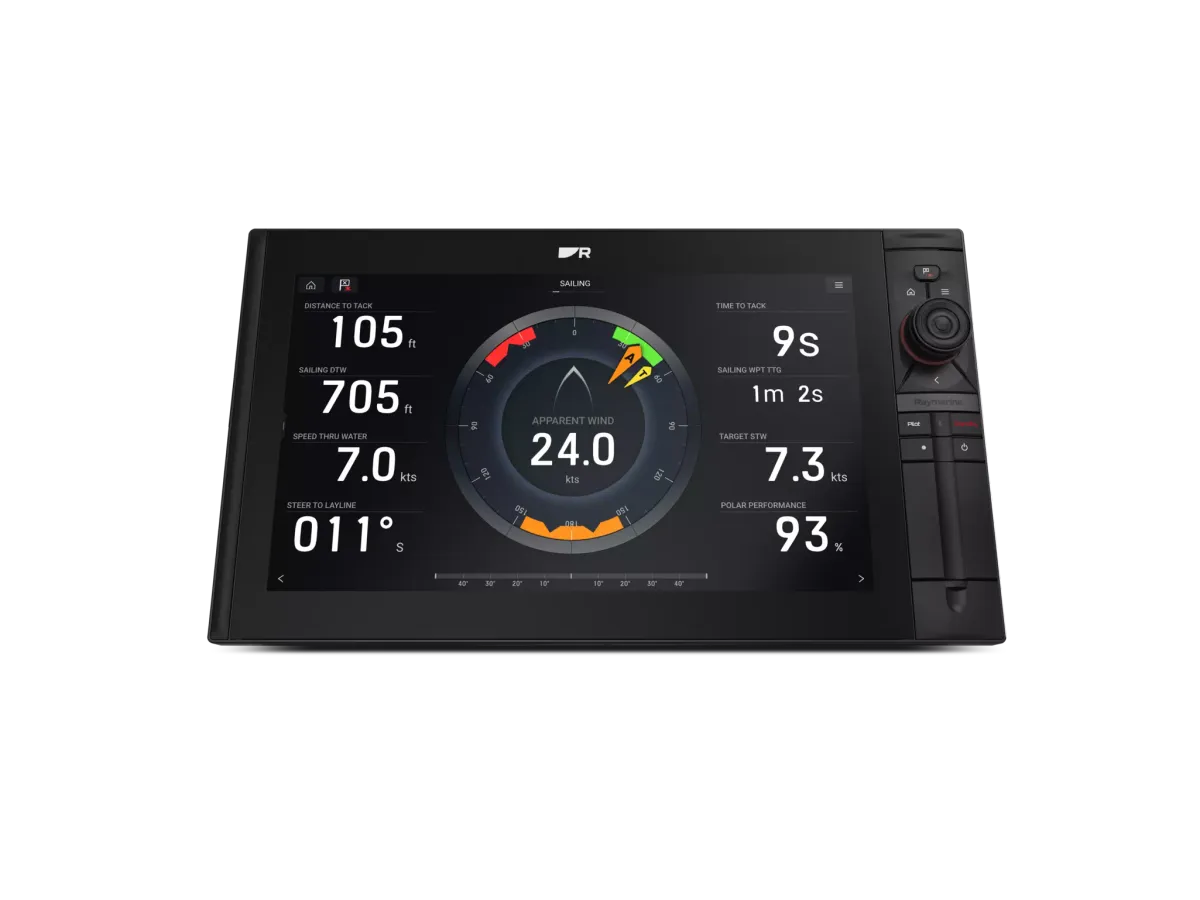
Spend on the information your crew can use, with a clear path for later additions.
Start with a normal day aboard
Describe a typical trip rather than the most ambitious voyage you can imagine. For a couple cruising locally, straightforward depth and wind information may matter more than a crowded performance page. For a racing crew, shared visibility and consistent information between helm and trimmers can become central. Write separate lists for essential functions and desirable additions.
Understand what advanced data requires
Ask the supplier to identify the sensors, processing and setup behind any advanced sailing feature. Calculated data is not simply an extra icon on a screen. Use B&G’s sailing processor range as a starting point for questions about inputs and configuration, then compare the equivalent proposed system as a whole. A demonstration should show your intended workflow rather than a showroom slideshow.
Plan the next stage without buying it now
A staged upgrade can make sense when existing instruments still perform a useful job. Have the installer document what can remain, where future displays could fit and which connections would support them. Keep a record of the final configuration. The aim is a system that the crew understands, with fewer surprises when a later piece of equipment is added.
Your planning checklist
- Separate must-have and optional functions
- Identify who reads each display
- Ask what supports each calculated value
- Document future expansion assumptions
Sources & further reading
Original MarineBrands buying and planning guidance, informed by these manufacturer and official references. Confirm current specifications for the exact model and Australian version.
This is an editorial guide. Linked brand advertorials are identified separately; no paid sponsorship or manufacturer approval of this guide is claimed.