Marine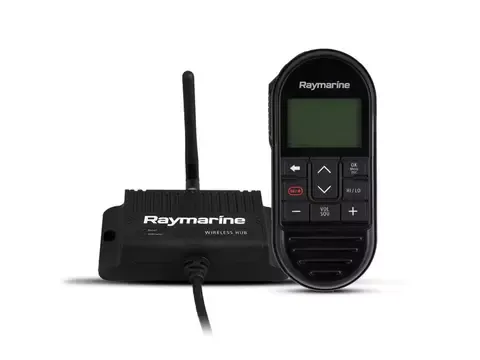
Select a radio as part of a communication setup and arrange appropriate operating knowledge.
Define where it will be used
Explain whether you are replacing a fixed radio, adding another control position or considering a handheld for a particular role. Think about where the crew needs access and how the equipment will be stored or mounted. Tell the supplier the boat type and normal cruising pattern. These details are more useful than asking for the radio with the longest feature list.
Ask about the complete installation
For a fixed installation, include antenna, cabling, power and mounting in the discussion. If digital calling or position-related functions are required, ask which inputs and configuration the exact model needs. Do not assume the radio box includes every accessory or setup task. GME’s marine range and Raymarine’s communication products offer starting points for a supplier conversation.
Confirm operation and local requirements
Ask the supplier where to find the model’s operating instructions and current Australian licensing, qualification and identification requirements. ACMA is the official starting point for radio regulation. Arrange training where required and a handover that explains the installed equipment. This buying guide does not replace radio operating instruction or determine the requirements for a particular vessel and service.
Your planning checklist
- Fixed or handheld role
- Antenna, power and mounting scope
- Required data and configuration
- Current ACMA requirements and training
Sources & further reading
Original MarineBrands buying and planning guidance, informed by these manufacturer and official references. Confirm current specifications for the exact model and Australian version.
- ACMA · marine radio operation and qualifications ↗
- Raymarine · software updates and product support ↗
This is an editorial guide. Linked brand advertorials are identified separately; no paid sponsorship or manufacturer approval of this guide is claimed.