 Marine
Understand it.
Choose with purpose.
Begin with the boat’s electrical needs and how you live aboard.
Write a realistic use schedule
Before discussing generator size, list the equipment you expect to use and when. Distinguish appliances used together from those used separately. Record the information available on each appliance and have a qualified installer assess the demand. A guessed total is not a design.
Explain whether the boat is used for short stays, extended cruising or a particular onboard activity. The daily routine gives the installer context for comparing a generator proposal with the rest of the electrical system.
Compare the whole onboard arrangement
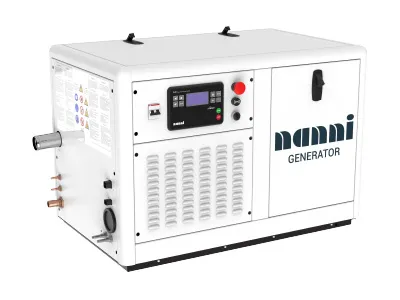
A generator project involves space, service access, associated systems and the electrical installation. Ask the installer to assess the vessel and explain the complete scope. Nanni’s generator documentation gives model information; it does not replace a boat-specific design.
Discuss noise expectations and where people sleep or spend time. Ask how service tasks will be carried out in the proposed location. A catalogue output figure alone cannot describe the experience of living with the installed machinery.
Specify controls, records and handover
Have the installer document the final arrangement, operating instructions and service route. Ask for familiarisation appropriate to the exact equipment and electrical system. Do not improvise connections or operating procedures from generic internet advice.
Keep the appliance schedule and installation records for future upgrades. Adding equipment later should prompt a review of the existing design rather than an assumption that spare capacity will always cover it.
Compare the approaches
Use these differences to frame a conversation. This is a comparison of project approaches, not a ranking of brands.
| Approach | When to consider it | What to resolve |
|---|---|---|
| Occasional onboard demand | A limited and clearly described use schedule | Compare the full system options with a qualified installer. |
| Regular extended use | A boat with repeated onboard power needs | Include service access and daily routine. |
| Major electrical refit | Several new loads or changed onboard use | Design the generator and electrical system together. |
Planning to live aboard
An owner wants a generator because the future boat will have more appliances.
A considered approach
Prepare a realistic daily use schedule and commission a complete electrical and installation assessment.
The right starting point is demand and use, not the largest affordable unit.
Two mistakes worth avoiding
Adding nameplate figures without assessment
Have an installer evaluate the actual operating demand.
Ignoring service access
Routine maintenance must remain practical in the proposed location.
Know the terms
- Load schedule
- A record of electrical equipment and expected use.
- Rated output
- The manufacturer’s stated output under its specified conditions.

Turn the lesson into a useful brief.
Tick what you have gathered. Add your boat details and questions, then save a copy to take to a supplier.
Notes stay in this page and are not submitted. Download before leaving; this page does not save them.
Sources & further reading
Manufacturer and authority references for the concepts and product context discussed here. Examples and planning exercises are MarineBrands editorial; they do not imply brand endorsement or product testing.
How we research and present information →
 Marine diesel engines →
 Shaft-drive systems →
 Saildrive systems →